Ah, buttermilk! Just saying it rolls off the tongue like a lavish dessert. And honestly, it’s a kitchen superhero waiting to pull off its cape and save your recipes.
Now, you might be wondering what can you pair it with. From pancakes to fried chicken, this creamy marvel adds rich flavor and moisture to countless dishes. If you ask me, buttermilk deserves a standing ovation!

What is Buttermilk?
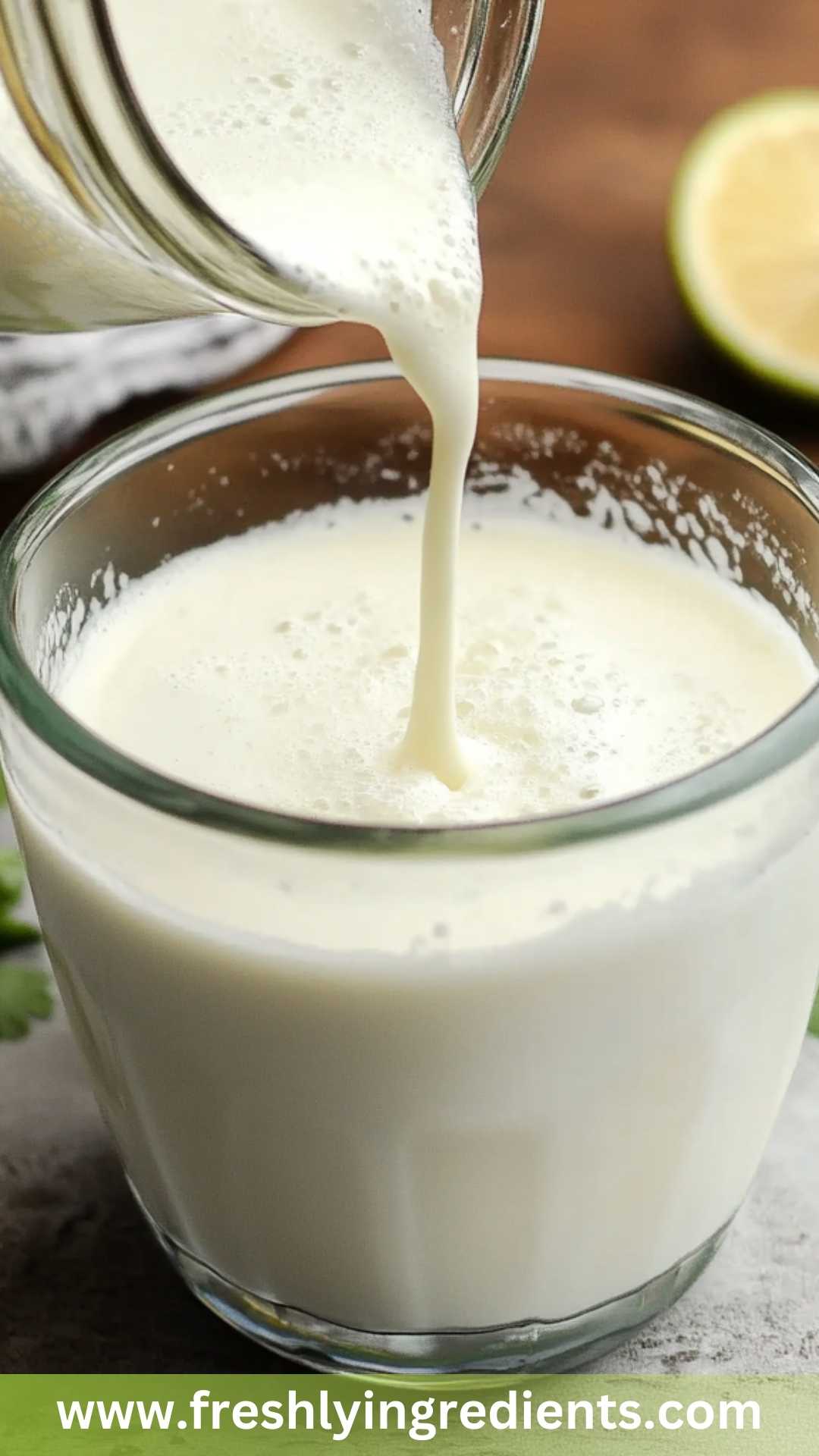
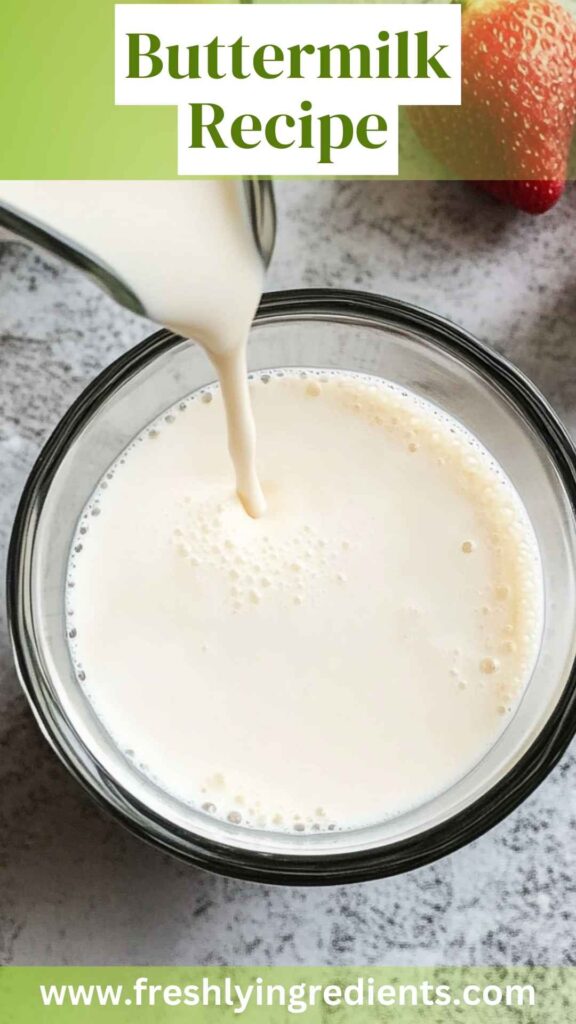
Let’s peel back the layers on what buttermilk really is. Traditionally, buttermilk is the liquid left behind after churning butter from cream. This tangy delight is low-fat and slightly sour, making it an excellent ingredient for baking.
Today, however, the buttermilk you find in stores is usually cultured. This is created using skim milk and friendly bacteria, which gives it that familiar tartness.
If you’re thinking, “Okay, but what’s the big deal?” let me delve a bit deeper into why buttermilk should earn a spot in your fridge!
Why You’ll Love This Buttermilk
Buttermilk is more than just a taste enhancer; it’s a culinary secret weapon. Why? First off, it keeps baked goods moist and tender.
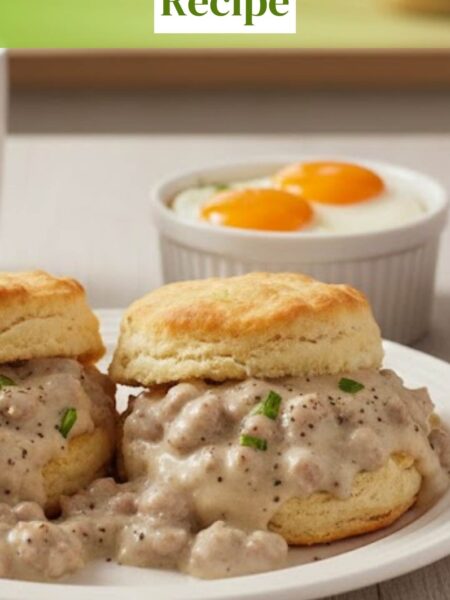
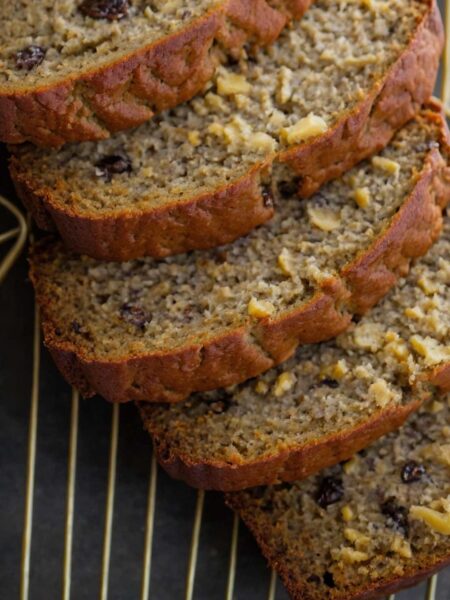
Ever bitten into a dry biscuit? Not fun! But buttermilk makes flaky biscuits, light pancakes, and even muffins that dance on your taste buds!
Secondly, it’s versatile. You can use buttermilk not just for baking but in marinades, dressings, and dips. It adds creaminess without all the calories of full-fat products. Plus, it can make your dishes pop with an unexpected zing.
But there’s more! Buttermilk is also an excellent source of a few essential nutrients. A cup contains calcium, potassium, and probiotics. I won’t bore you with numbers, but just know it’s a great addition to a balanced diet.
The Ingredients You Will Need to Make Buttermilk
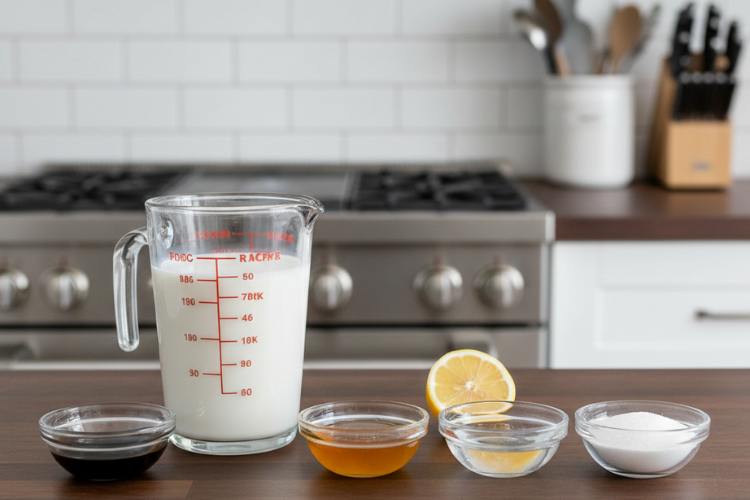
Making your own buttermilk at home is a breeze. Here’s what you’ll need:
– 1/2 teaspoon vanilla extract
– 1 teaspoon honey
– 1 tablespoon white vinegar (or fresh lemon juice)
– 1 cup milk (just under a full cup)
Directions to Make Buttermilk
Step 1: Gather Your Ingredients
First, assemble your ingredients at the kitchen counter. You’ll need a mixing bowl and a whisk or a spoon.
Step 2: Combine Milk and Acid
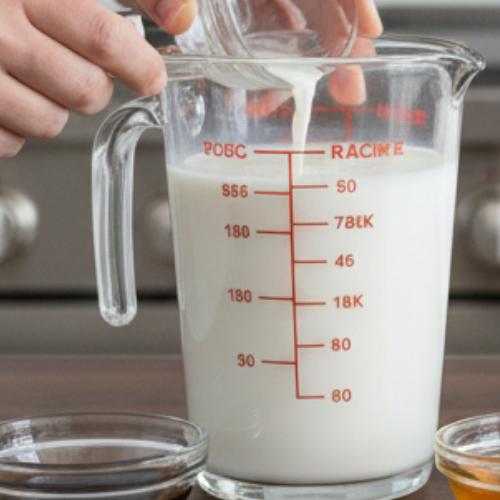
Take your measuring cup and pour in the milk. Next, add one tablespoon of white vinegar or fresh lemon juice. This acidity will help create that tangy flavor characteristic of buttermilk.
Step 3: Let It Sit
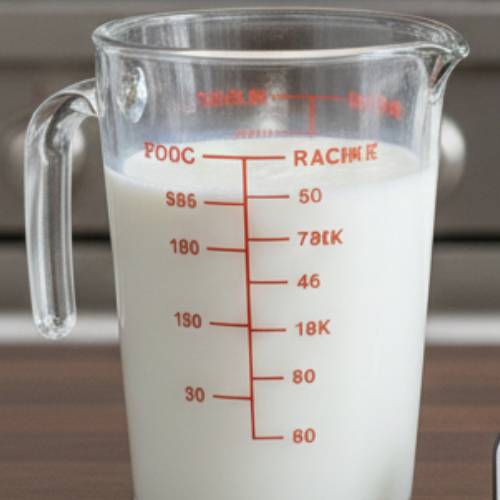
Give the mixture a gentle stir. Then let it sit for about 5-10 minutes at room temperature. You’ll notice it may thicken and give off a slightly lumpy appearance. That’s perfectly normal!
Step 4: Add Sweetness and Flavor (Optional)
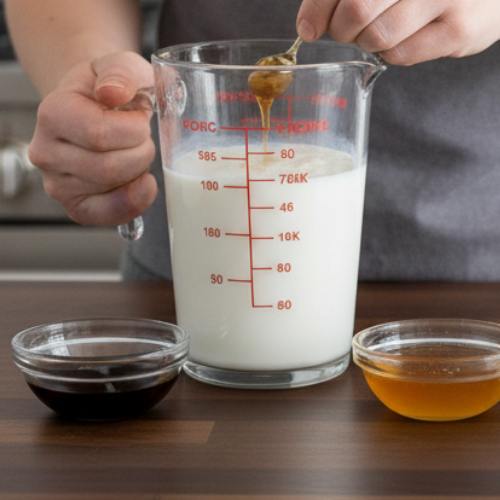
If you’re feeling adventurous, now’s the time to add the vanilla extract and honey. Stir it in well. This isn’t necessary for savory dishes but can be lovely for pancake recipes.
Step 5: Use or Store
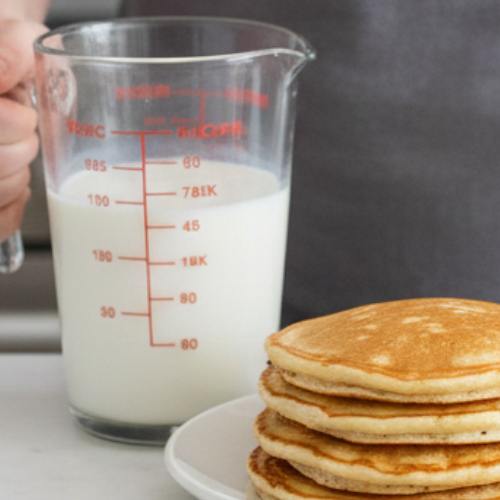
Once you’ve given it a good stir, your homemade buttermilk is ready to use! If you’re not using it right away, you can store it in the fridge for up to a week.
Notes for Perfect Buttermilk
- Start with Fresh Milk: Using fresh milk gives you the best flavor and consistency. Old milk can lead to the buttermilk tasting sourer than you want.
- Experiment with Acidity: You can swap vinegar for lemon juice or even use yogurt for a richer texture.
- Don’t Rush the Sit Time: Letting the mixture sit is crucial. Don’t rush this step—patience pays off!
- Use Whole or Low-Fat Milk: Both options yield good results. Whole milk will create a creamier texture, while low-fat milk gives you a lighter option.
- Mix It Up: You can always add herbs or spices if you want buttermilk for savory use!
Storage Tips for Buttermilk
If you’ve made more than you can use right away, you might wonder how to store it. Keep it in a tightly sealed container in the fridge.
It should last about 1-2 weeks. If it begins to smell sour (in a bad way) or forms an odd texture, toss it out. Need buttermilk for future recipes? Freeze it in ice cubes and pop out a cube when you need some!
Serving Suggestions for Buttermilk
Now that you have buttermilk at home, you might be pondering how to use it. Here’s where the fun begins. Here are some delightful ways to include it in your meals:
- Fluffy Pancakes: Substitute buttermilk for regular milk in your pancake batter. It elevates the texture, providing light, fluffy pancakes that your family will adore.
- Biscuits: Use buttermilk in your biscuit recipe. This makes them tender and oh-so-flaky. Pair with butter and jam for a treat.
- Marinades: Buttermilk is fantastic for marinating chicken. It not only tenderizes the meat but also infuses it with flavor. Trust me; fried chicken will never taste the same again.
- Salad Dressings: Mix buttermilk with herbs and spices for a zesty salad dressing. It’s light, refreshing, and brings salads to life without the heavy calories.
- Smoothies: Add a splash of buttermilk to your morning smoothie. It adds a creamy texture and a hint of tartness that blends beautifully with fruits.
What Other Substitutes Can I Use in Buttermilk?
If you’re in a pinch and don’t have buttermilk, here are some solid alternatives:
- Yogurt: Thinned-out yogurt can work wonders in place of buttermilk. Just mix it with equal parts water or milk until you get the right consistency.
- Sour Cream: This can be a creamy substitute. Just thin it with some milk to get an appropriate texture.
- Milk Mixed with Vinegar: For this simple DIY option, mix 1 tablespoon of vinegar with 1 cup of regular milk. Let it sit for about 10 minutes. Voila, homemade buttermilk!
- Coconut Milk and Vinegar: An excellent dairy-free option includes using coconut milk mixed with vinegar. This gives you a nice flavor profile, especially in Asian dishes.
- Milk with Lemon Juice: Similar to vinegar, this can mimic buttermilk nicely! Use 1 tablespoon of lemon juice per cup of milk and let it sit.
Conclusion
Buttermilk is much more than a simple ingredient; it’s a versatile staple that can significantly enhance both sweet and savory dishes. From keeping your baked goods tender to transforming your marinades, it’s a delightful addition to any recipe.
Armed with this guide, I hope you find your culinary creativity sparked. So, the next time you’re whipping up pancakes, baking cookies, or experimenting with dressings, don’t forget to reach for that bottle of buttermilk!
It truly is a magical ingredient, bringing joy and flavor to your kitchen. Cheers to buttermilk, and happy cooking!
You’ll also like the following recipes!
- Fresh Spring Rolls Copycat Recipe
- How to Make Healthy Baba Ganoush
- Best Homemade Pimento Cheese Recipe

Buttermilk Recipe – Freshly Ingredients
Description
Ah, buttermilk! Just saying it rolls off the tongue like a lavish dessert. And honestly, it’s a kitchen superhero waiting to pull off its cape and save your recipes.
Ingredients
Instructions
Step 1: Gather Your Ingredients
-
First, assemble your ingredients at the kitchen counter. You'll need a mixing bowl and a whisk or a spoon.
Step 2: Combine Milk and Acid
-
Take your measuring cup and pour in the milk. Next, add one tablespoon of white vinegar or fresh lemon juice. This acidity will help create that tangy flavor characteristic of buttermilk.
Step 3: Let It Sit
-
Give the mixture a gentle stir. Then let it sit for about 5-10 minutes at room temperature. You’ll notice it may thicken and give off a slightly lumpy appearance. That’s perfectly normal!
Step 4: Add Sweetness and Flavor (Optional)
-
If you're feeling adventurous, now’s the time to add the vanilla extract and honey. Stir it in well. This isn't necessary for savory dishes but can be lovely for pancake recipes.
Step 5: Use or Store
-
Once you’ve given it a good stir, your homemade buttermilk is ready to use! If you're not using it right away, you can store it in the fridge for up to a week.
Nutrition Facts
Servings 1
- Amount Per Serving
- Calories 149kcal
- % Daily Value *
- Total Fat 8g13%
- Saturated Fat 4.6g23%
- Cholesterol 24mg8%
- Sodium 1005mg42%
- Total Carbohydrate 12g4%
- Sugars 12g
- Protein 8g16%
* Percent Daily Values are based on a 2,000 calorie diet. Your daily value may be higher or lower depending on your calorie needs.
Note
- Start with Fresh Milk: Using fresh milk gives you the best flavor and consistency. Old milk can lead to the buttermilk tasting sourer than you want.
- Experiment with Acidity: You can swap vinegar for lemon juice or even use yogurt for a richer texture.
- Don't Rush the Sit Time: Letting the mixture sit is crucial. Don’t rush this step—patience pays off!
- Use Whole or Low-Fat Milk: Both options yield good results. Whole milk will create a creamier texture, while low-fat milk gives you a lighter option.
- Mix It Up: You can always add herbs or spices if you want buttermilk for savory use!