Nutrition Facts
Servings 4
- Amount Per Serving
- Calories 100kcal

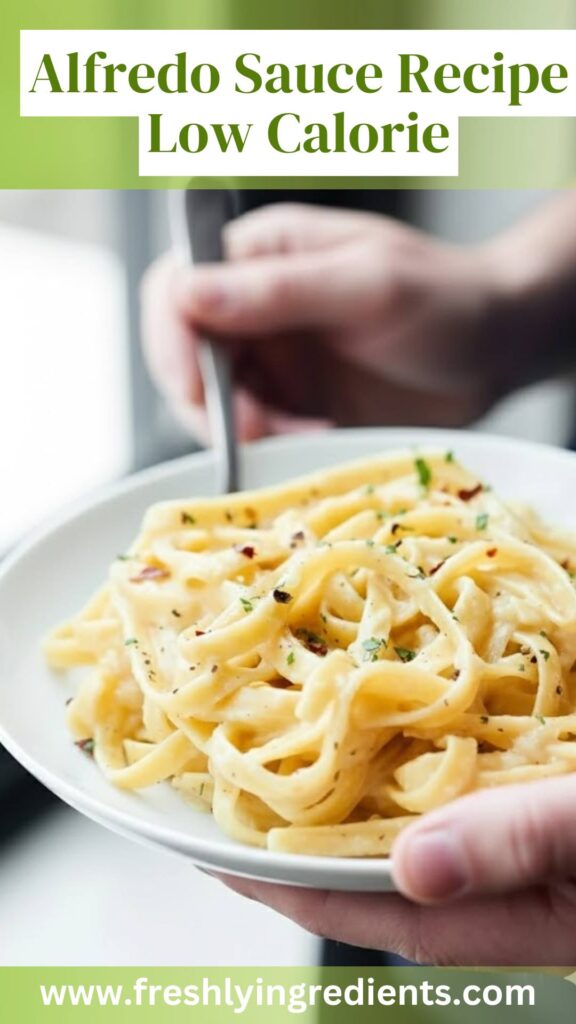
If you’re anything like me, you love a good bowl of pasta coated in creamy alfredo sauce. Imagine twirling those noodles around your fork, each bite rich and satisfying. But sometimes, that creamy indulgence can feel heavy, not to mention the calories that come with traditional recipes. That’s where my low-calorie alfredo sauce comes in. Picture yourself enjoying a cozy pasta night without the guilt, and let me tell you, it pairs perfectly with grilled chicken or sautéed veggies. It’s a little lighter but still delightfully fulfilling.
Alfredo sauce is a classic companion to pasta, embracing the tradition of Italian cuisine while offering a creamy, dreamy texture that can elevate any simple dish. This low-calorie version manages to deliver all the goodness and flavor we crave when we think of alfredo, while being kinder to our waistlines. Whether you’re whipping it up for a family dinner or a cozy night in, this sauce is designed to please without weighing you down.
How To Make Basil Pesto Recipe
Low-calorie alfredo sauce is a lighter take on the traditional rich sauce, often made with heavy cream and butter. This version relies on wholesome ingredients, yet still gives you that silky smooth finish we all adore. Employing ingredients like Greek yogurt and broth not only cuts the calories but also adds extra protein. You can now slather this sauce over your favorite pasta, knowing that you’re treating yourself without going overboard.
This recipe works because it embraces flavor without sacrificing health. By using cornstarch to thicken the sauce and Greek yogurt for creaminess, you’ll taste a rich texture that satisfies. It’s flexible too—allowing for modifications based on your pantry stock without losing its essence.
You can expect a pleasant balance of creaminess with a hint of tang, thanks to the Greek yogurt. The combination of broth and Parmesan brings depth, while the garlic adds a savory note. Each mouthful is smooth and velvety, making it a delightful addition to any meal. You won’t miss the high-calorie ingredients typically found in traditional alfredo.
What makes this low-calorie alfredo stand out is its ability to remain simple while still being incredibly versatile. This version caters to those who might struggle with dairy by potentially offering alternatives. The smart mix of broth and Greek yogurt creates a unique flavor profile, setting it apart from overly simplistic recipes that often lack depth.
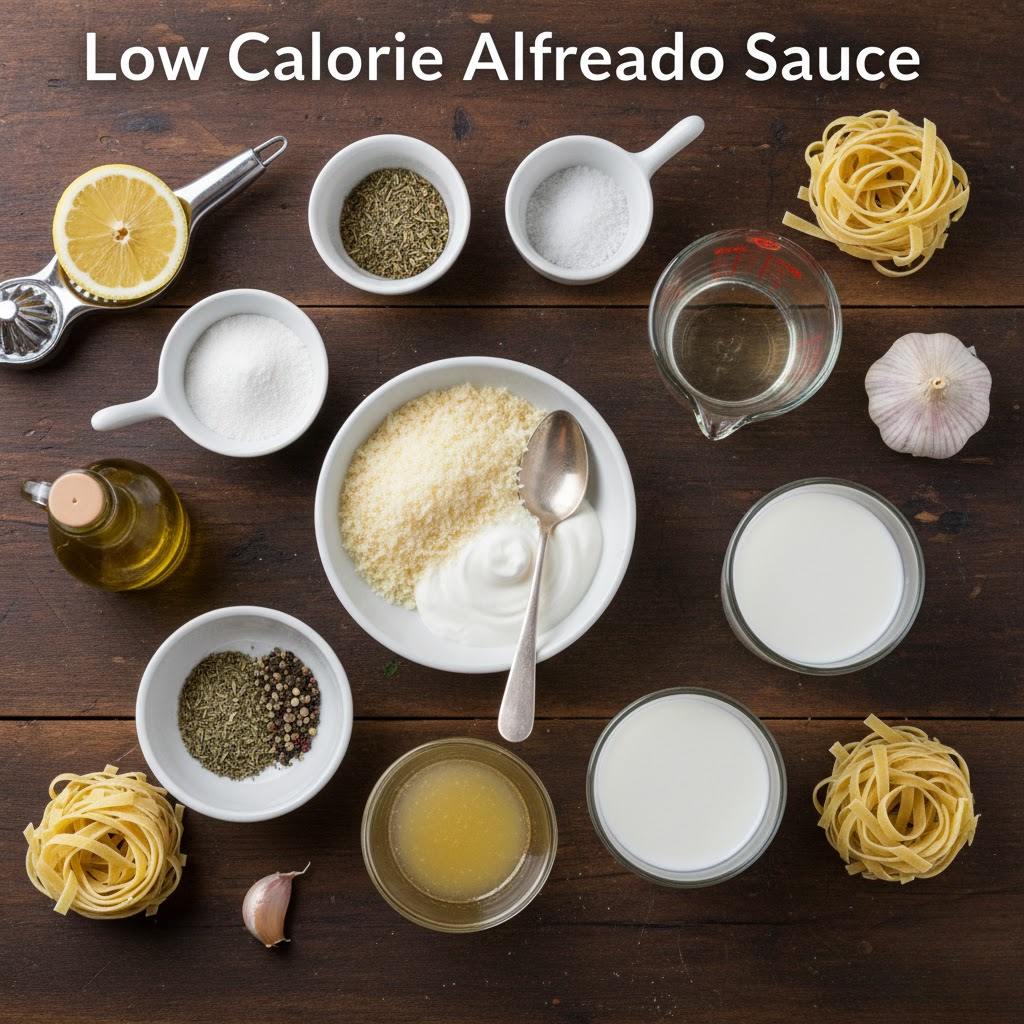
- 1 tablespoon of extra virgin olive oil
- 2 tablespoons of cornstarch
- 1 cup of low-sodium vegetable or chicken broth
- ½ cup of skim milk
- ½ cup of non-fat plain Greek yogurt, at room temperature
- ½ teaspoon of salt
- 1 teaspoon of garlic powder
- ¼ teaspoon of freshly cracked black pepper
- ½ cup of freshly grated Parmesan cheese
- 1 tablespoon of fresh lemon juice (adds brightness)
- 1 teaspoon of Italian seasoning (brings a lovely herbaceous note)
Let’s get into the nitty-gritty of creating this flavorful alfredo sauce. Each step is simple and straightforward, guiding you to a creamy finish that requires less than thirty minutes!
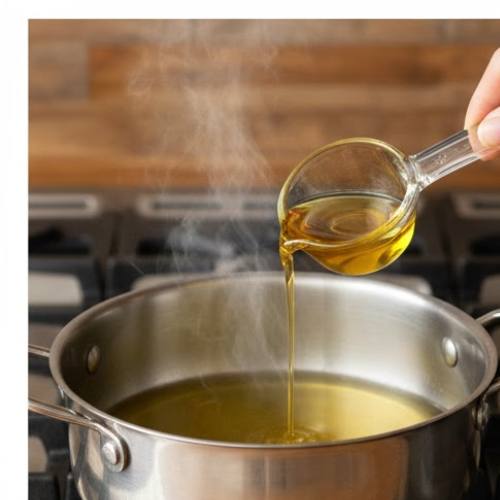
Start by pouring the extra virgin olive oil into a large saucepan over medium heat. Allow it to warm up—the moment you smell the oil, you know it’s time for the next step.
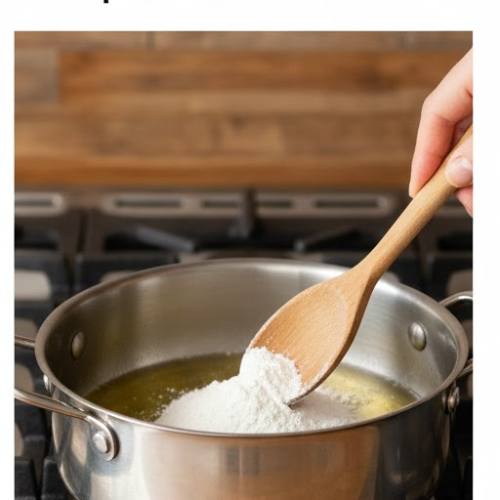
Once your oil is heated, sprinkle in the cornstarch. Cook it for about a minute, stirring constantly. This helps to eliminate any raw taste from the cornstarch, making the sauce velvety.
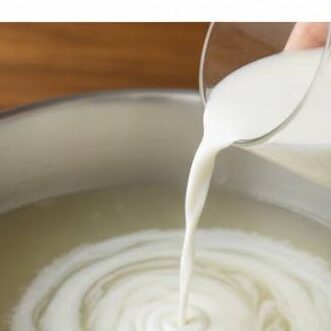
While you’re stirring, slowly whisk in the broth and skim milk. This gradual addition is key to avoiding lumps. Keep whisking until the mixture is smooth; it should have a nice, even consistency.
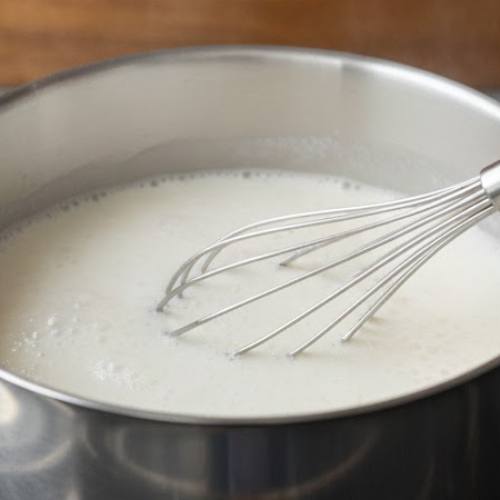
Increase the heat to medium-high, allowing the mixture to come to a simmer. Once you see bubbles, hold on for about 2 minutes while whisking continuously. You’ll start to notice a faint thickening.
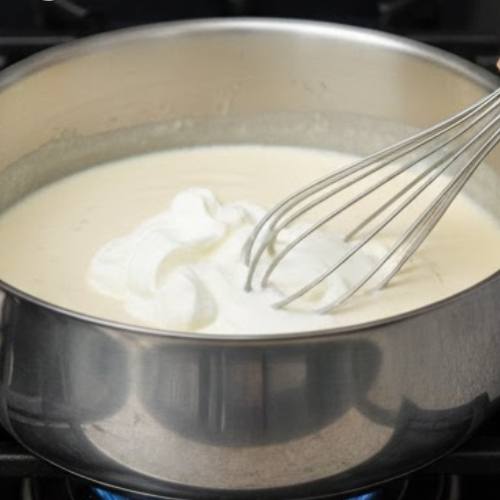
Remove the saucepan from the heat. Now, it’s time to whisk in the Greek yogurt little by little. The heat should be off; we’re not trying to scramble the yogurt! Once it’s all combined, put the pan back on medium heat.
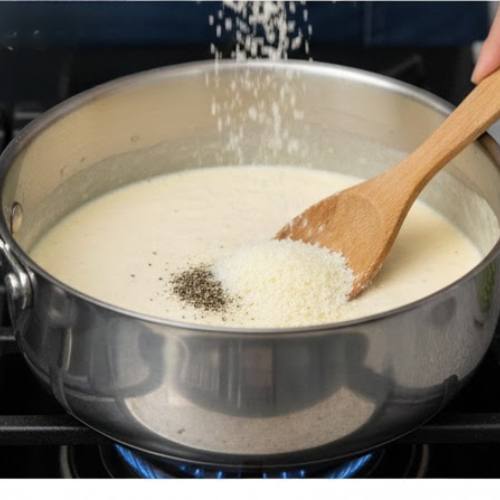
In this next crucial step, add the freshly grated Parmesan cheese, salt, black pepper, garlic powder, fresh lemon juice, and Italian seasoning. Stir well until the cheese melts into your sauce.
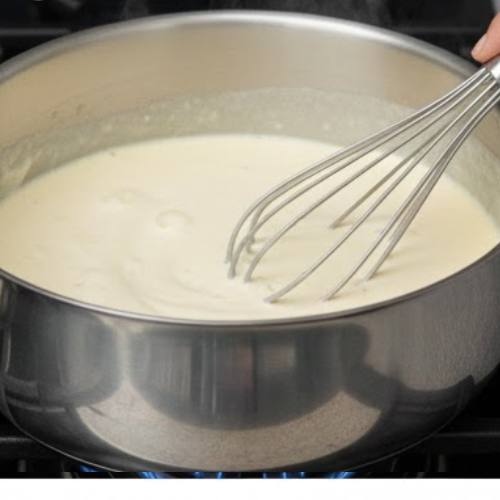
Bring the sauce back to a gentle simmer for another 2 minutes, still whisking away. This step finalizes the texture and flavor. Once it’s ready, serve it over your favorite pasta right away. Alternatively, let it cool and thicken for use as a pizza sauce later.
- To enhance the flavor, consider adding a pinch of nutmeg, which pairs wonderfully with creamy sauces.
- For a spicier kick, incorporate a dash of red pepper flakes.
- If the sauce thickens too much, thin it out with a little more broth or milk.
- Substitute Greek yogurt with cottage cheese for a different texture that’s equally healthy.
- Serve it right after preparing for the best flavor; it keeps well, but tastes fresher when made on the spot.
After you’ve made your low-calorie alfredo sauce, let it cool completely. Once cooled, transfer it into an airtight container and store it in the refrigerator. It should be good for about 3-5 days. When you’re ready to use it again, reheat on the stovetop, adding a splash of broth or milk if it has thickened too much.
Each serving of this alfredo sauce is roughly 100 calories, making it a healthier alternative without skimping on flavor. With a good dose of protein from the Greek yogurt and a nice balance of fats from the olive oil, it’s a dish that can fit into most dietary plans.
- Grilled Chicken: Add some lean protein by grilling chicken breasts with a sprinkle of Italian herbs.
- Steamed Broccoli: This adds a fresh crunch and vibrant color to your plate.
- Garlic Bread: A classic side that pairs beautifully, but opt for a whole grain version to keep it healthier.
- Roasted Vegetables: Toss seasonal veggies in the oven with a hint of olive oil for a sweet caramelized finish.
- Side Salad: A light green salad with a lemon vinaigrette balances the richness of the sauce.
- Olive Oil: Substitute with avocado oil for a similar health benefit.
- Cornstarch: Use arrowroot starch if you have that on hand; it works just as well for thickening.
- Skim Milk: Unsweetened almond milk can serve as a delightful dairy-free option.
- Greek Yogurt: Use silken tofu blended until smooth as a vegan alternative.
- Parmesan Cheese: Nutritional yeast provides that cheesy flavor without the dairy.
Yes, simply swap out the Greek yogurt and cheese for non-dairy alternatives. Silken tofu and nutritional yeast work wonders!
While it’s best fresh, you can freeze it. Just know that texture changes may occur, so it’s best to reheat gently and possibly blend it to restore the creaminess.
If your sauce isn't as thick as you'd like, add more cornstarch mixed with a little water (a slurry) and stir until thickened.
Absolutely! Small pieces of cooked chicken or shrimp can be added during the final simmer for a complete dish.
Your sauce should be nice and thick—if it coats the back of a spoon without running off, you’re in great shape!
This low-calorie alfredo sauce isn’t just a dish; it’s a canvas for your favorite pasta creations! It’s quick to whip up and versatile enough to complement many meals. Whether you’re preparing for a family feast or just a casual weeknight dinner, this sauce will surely become a staple in your kitchen. So, dive in, experiment with flavors, and enjoy every creamy bite guilt-free!
Alfredo sauce is a classic companion to pasta, embracing the tradition of Italian cuisine while offering a creamy, dreamy texture that can elevate any simple dish. This low-calorie version manages to deliver all the goodness and flavor we crave when we think of alfredo, while being kinder to our waistlines. Whether you’re whipping it up for a family dinner or a cozy night in, this sauce is designed to please without weighing you down.
Servings 4
- To enhance the flavor, consider adding a pinch of nutmeg, which pairs wonderfully with creamy sauces.
- For a spicier kick, incorporate a dash of red pepper flakes.
- If the sauce thickens too much, thin it out with a little more broth or milk.
- Substitute Greek yogurt with cottage cheese for a different texture that’s equally healthy.
- Serve it right after preparing for the best flavor; it keeps well, but tastes fresher when made on the spot.

Charlotte Shapiro is a registered dietitian and the author of Freshly Ingredients, a blog dedicated to easy, nutritious, and flavorful recipes. Based in Alaska, Charlotte draws inspiration from local ingredients and diverse cuisines to create balanced meals that are simple to prepare. With a passion for making healthy eating accessible, she shares practical tips and recipes that fit into busy lifestyles. Through her blog, Charlotte aims to empower readers to enjoy wholesome, home-cooked meals without the hassle.