As I prepare to delve into the delightful world of basic vinaigrette, let’s chat about what foods pair perfectly with this simple yet versatile dressing. Think about salads, of course, but also consider drizzling it over grilled veggies, roasted potatoes, or steamed asparagus for a flavor boost.
Imagine spooning it over fresh, crisp greens topped with ripe tomatoes and creamy avocados.
And let’s not forget pasta salads! A hearty Italian pasta salad with chickpeas and colorful vegetables benefits enormously from a tangy vinaigrette. Even sandwiches and wraps love a splash of this dressing to elevate them to another level.
You’ll find that once basic vinaigrette enters your kitchen, it becomes your trusted sidekick, transforming ordinary meals into culinary adventures.

What is Basic Vinaigrette?
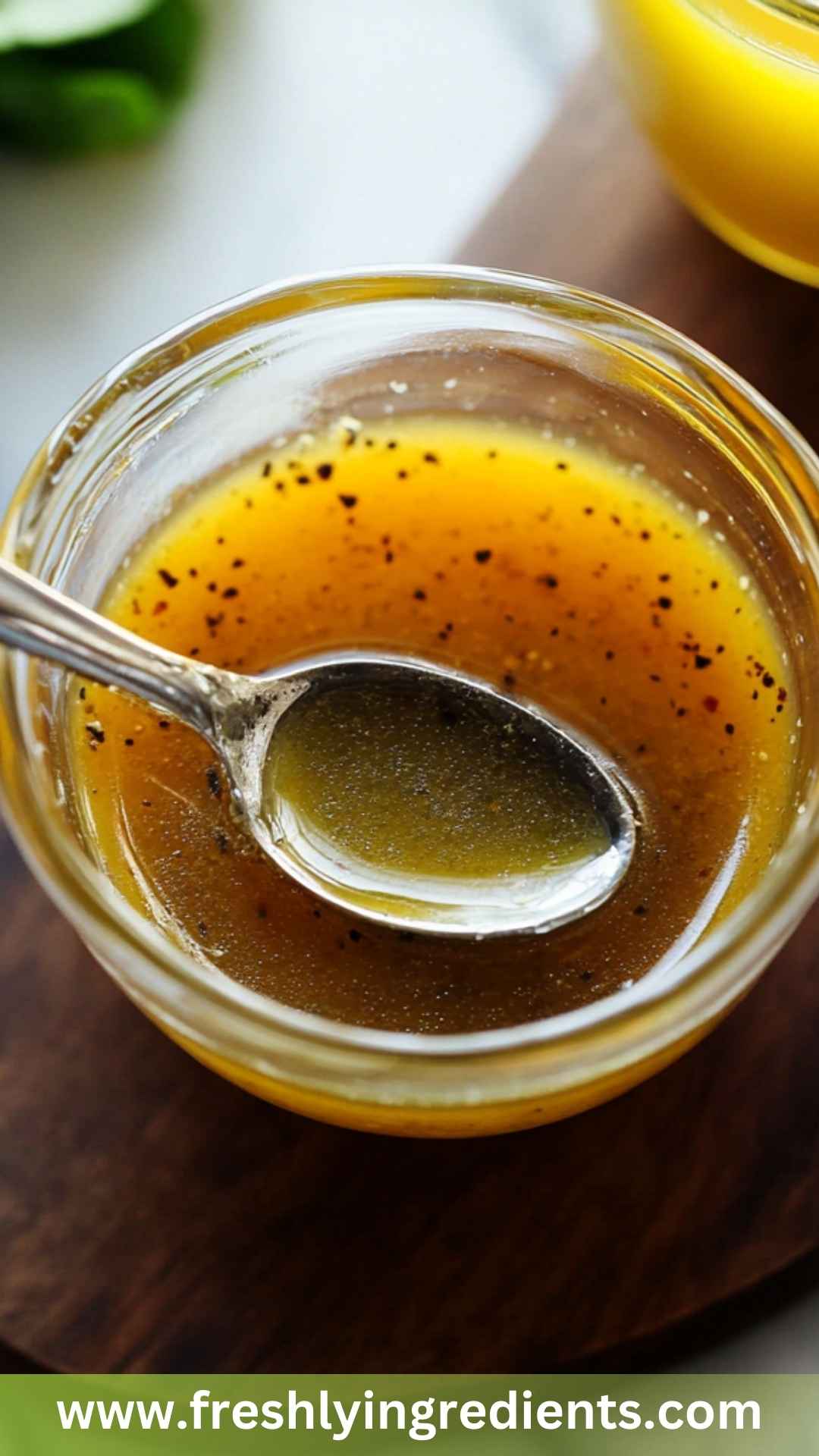
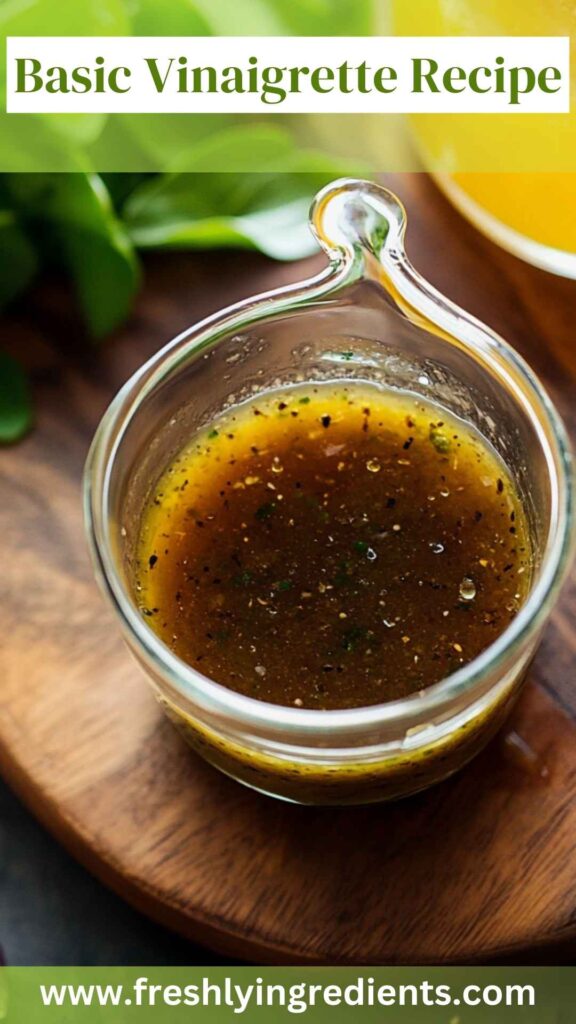
If you’re unfamiliar with the term, a vinaigrette is a simple dressing that usually consists of oil and vinegar, combined in a specific ratio. It can be flavored with spices, herbs, shallots, garlic, and more, but at its core, it’s meant to highlight the fresh ingredients it accompanies. You could say it’s the gentle hand that brings your salad to life.
The beauty of a basic vinaigrette lies in its simplicity. The traditional ratio is three parts oil to one part vinegar, but depending on your taste preferences, you might want to adjust this. That’s the brilliance of making your vinaigrette—you’re in control!
How Does It Taste Like?
Picture this: the first drizzle of vinaigrette over your salad brings an explosion of flavor. You experience the bold acidity of vinegar, countered by the rich, smooth texture of high-quality olive oil.
If you’re like me, the aroma of garlic and a hint of mustard creates an enticing prelude to your meal. It’s a taste that dances between sharp and smooth, leaving your palate refreshed and craving more.
Why You’ll Love This
Versatility. You can adjust the flavors as you see fit. Perhaps you’re in the mood for a bit of sweetness? Add a touch of honey or maple syrup. Want it a bit herby? Throw in a sprinkle of dried oregano or some chopped fresh herbs.
This dressing is not just a one-trick pony; it can be your go-to for salads, marinades, and more.
Ease of preparation. You can make it in minutes. Plus, you’ll stave off those frustrating trips to the store for pre-packaged dressings loaded with preservatives. Once you try homemade, you might never return to the bottled stuff.
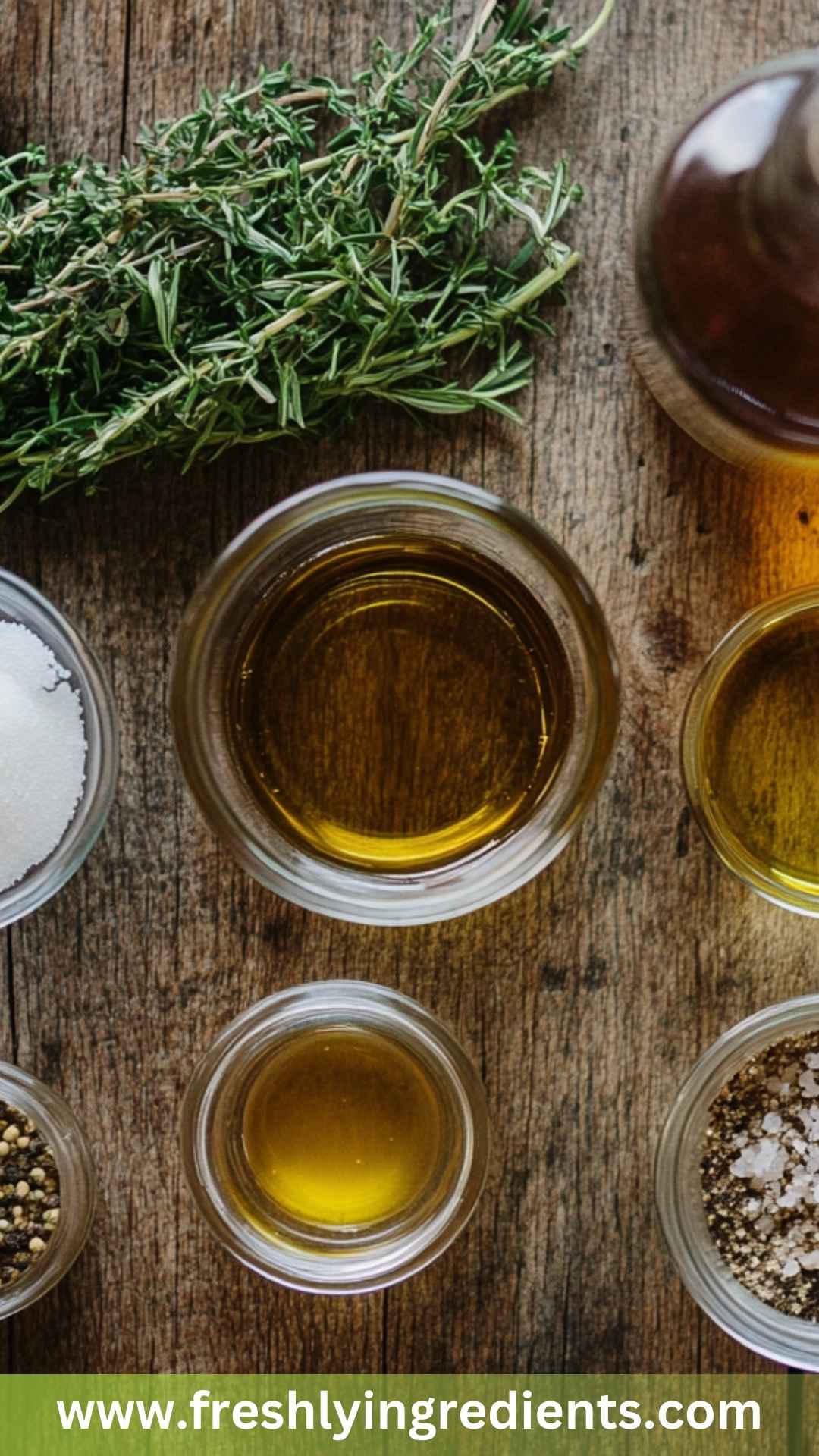
Ingredients
- 2 medium garlic cloves, finely minced or pressed
- 1/4 teaspoon fine sea salt, or to taste
- Freshly ground black pepper, to taste
- 1 tablespoon pure maple syrup or raw honey
- 1 tablespoon smooth Dijon mustard
- 3 tablespoons vinegar of choice (balsamic, red wine, or white wine vinegar)
- 1/2 cup high-quality extra-virgin olive oil
- 1/2 teaspoon dried oregano (optional, for a subtle herbal note)
- 1/2 teaspoon lemon zest (optional, for a bright citrus touch)
Step-by-Step Directions
Step 1: Prep the Ingredients
Gather all your ingredients. Mince your garlic cloves and measure out your vinegar and oil. This is a crucial step to ensure you have everything at hand.
Step 2: Combine the Base
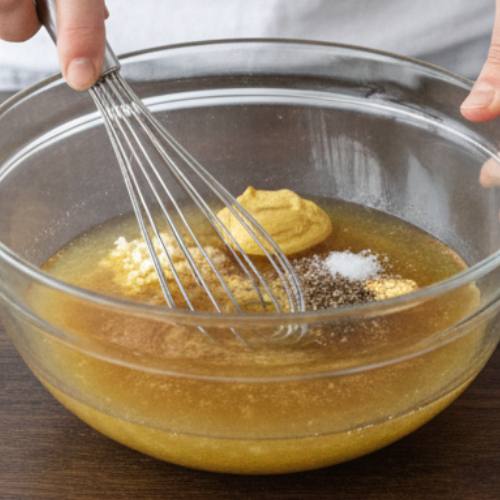
In a medium bowl, whisk together minced garlic, vinegar, Dijon mustard, honey (or maple syrup), salt, and pepper. This mixture forms the foundation for your vinaigrette.
Step 3: Add the Oil
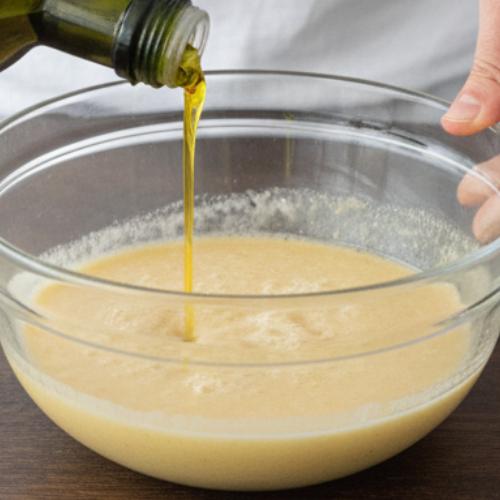
While continuously whisking, slowly drizzle in your extra-virgin olive oil. The key here is to emulsify the dressing. You want the oil to blend seamlessly with the vinegar mixture. If you’re feeling fancy, you can use an immersion blender for an ultra-smooth texture.
Step 4: Taste and Adjust
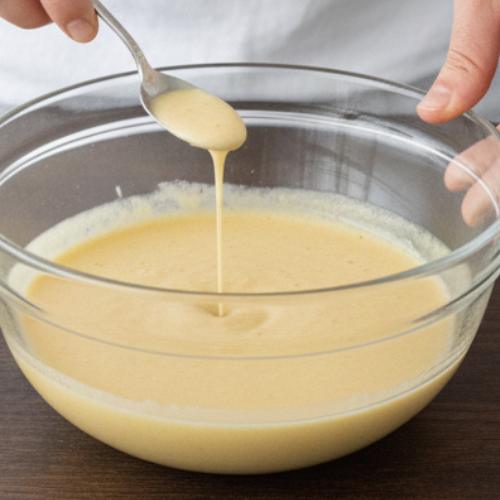
Give your vinaigrette a taste. Here is where you can adjust things to your liking. Want it sweeter? Add more honey. Need more acidity? A splash of extra vinegar will do the trick.
Step 5: Store It
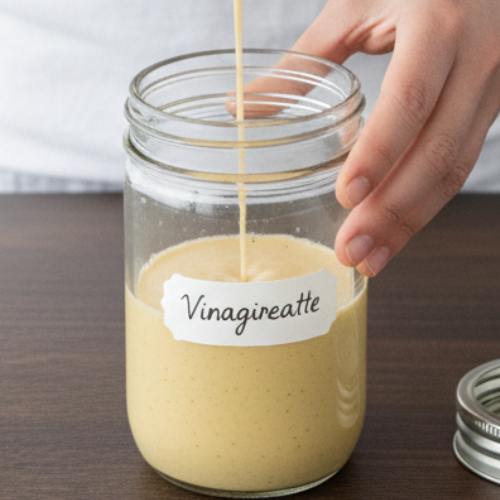
Transfer your vinaigrette into a glass jar with a tight-fitting lid. It must be stored in the refrigerator. It’s good for about 1-2 weeks. Just shake well before each use to remix the ingredients.
Tips On Making Basic Vinaigrette
- Quality Matters. Use high-quality olive oil. It plays a significant role in the flavor of your vinaigrette.
- Mix It Up with Vinegars. Experiment with different types of vinegar. Balsamic adds sweetness, while red wine vinegar offers a punchier flavor.
- Make It Creamy. For a creamier texture, blend in a small amount of Greek yogurt or mayonnaise.
- Herbs Add Flair. Fresh herbs like basil, parsley, or thyme can add a refreshing twist. Chop them finely and mix them in when you’re ready to serve.
- Don’t Skip the Seasoning. Taste as you go. The right balance of salt and pepper will elevate your vinaigrette to a whole new level.
Nutrition Information
One serving of basic vinaigrette (based on about two tablespoons) contains approximately:
- Calories: 120
- Fat: 14g
- Saturated Fat: 2g
- Carbohydrates: 2g
- Sugar: 1g
- Protein: 0g
How Do You Store This Basic Vinaigrette?
It’s best to store your vinaigrette in an airtight container in the refrigerator. It will last for about 1-2 weeks. Separation is normal; simply give it a good shake before using it.
If you notice any off smell or changes in texture, it’s time to make a fresh batch.
What Other Substitutes Can You Use in Basic Vinaigrette?
- Apple Cider Vinegar. A great option if you want that fruity acidity. It’s known for its health benefits too!
- Red Wine Vinegar. Offers a rich, complex flavor. Perfect for salads with hearty ingredients.
- Lime Juice. A bright alternative that can provide a zesty, tropical spin.
- Sherry Vinegar. For a nutty, sweeter profile, sherry vinegar is a delightful twist.
- Rice Vinegar. Mild and slightly sweet, it’s a wonderful entry point if you prefer gentler flavors.
Conclusion
There you have it—a comprehensive guide to creating basic vinaigrette that rivals any store-bought option. It’s easy, delicious, and customizable to suit your preferences and needs. So, go ahead and try whipping up your own batch.
I promise you’ll find it’s a great way to enhance your dishes, whether you’re dressing a crisp salad, marinating grilled chicken, or adding a zing to your favorite pasta salad. Cheers to wonderful homemade flavors!
You’ll also like the following recipes!
- High Protein Healthy Granola Copycat Recipe
- How To Make Best Lentil Soup Recipe Ever
- Best Apple Cider Hot Toddy Recipe

Basic Vinaigrette Recipe – Freshly Ingredients
Description
I'm thrilled to share my enthusiasm for a kitchen staple that every home cook should have. Vinaigrette might sound fancy, but trust me, it's incredibly simple and remarkably delicious.
As a registered dietitian and food blogger, I’ve experimented with numerous recipes, but nothing captures the essence of fresh and vibrant flavors like a homemade basic vinaigrette.
Why am I so passionate about this dressing? Because it embodies a sense of creativity while balancing nutrition—two core values I hold dear in my culinary journey.
Plus, with just a handful of ingredients, you’ll find yourself whipping up this dressing in no time. Let’s dive right into what this vinaigrette is all about!
Ingredients
Instructions
Step 1: Prep the Ingredients
-
Gather all your ingredients. Mince your garlic cloves and measure out your vinegar and oil. This is a crucial step to ensure you have everything at hand.
Step 2: Combine the Base
-
In a medium bowl, whisk together minced garlic, vinegar, Dijon mustard, honey (or maple syrup), salt, and pepper. This mixture forms the foundation for your vinaigrette.
Step 3: Add the Oil
-
While continuously whisking, slowly drizzle in your extra-virgin olive oil. The key here is to emulsify the dressing. You want the oil to blend seamlessly with the vinegar mixture. If you're feeling fancy, you can use an immersion blender for an ultra-smooth texture.
Step 4: Taste and Adjust
-
Give your vinaigrette a taste. Here is where you can adjust things to your liking. Want it sweeter? Add more honey. Need more acidity? A splash of extra vinegar will do the trick.
Step 5: Store It
-
Transfer your vinaigrette into a glass jar with a tight-fitting lid. It must be stored in the refrigerator. It’s good for about 1-2 weeks. Just shake well before each use to remix the ingredients.
Nutrition Facts
Servings 1
- Amount Per Serving
- Calories 120kcal
- % Daily Value *
- Total Fat 14g22%
- Saturated Fat 2g10%
- Total Carbohydrate 2g1%
- Sugars 1g
* Percent Daily Values are based on a 2,000 calorie diet. Your daily value may be higher or lower depending on your calorie needs.
Note
- Quality Matters. Use high-quality olive oil. It plays a significant role in the flavor of your vinaigrette.
- Mix It Up with Vinegars. Experiment with different types of vinegar. Balsamic adds sweetness, while red wine vinegar offers a punchier flavor.
- Make It Creamy. For a creamier texture, blend in a small amount of Greek yogurt or mayonnaise.
- Herbs Add Flair. Fresh herbs like basil, parsley, or thyme can add a refreshing twist. Chop them finely and mix them in when you're ready to serve.
- Don’t Skip the Seasoning. Taste as you go. The right balance of salt and pepper will elevate your vinaigrette to a whole new level.