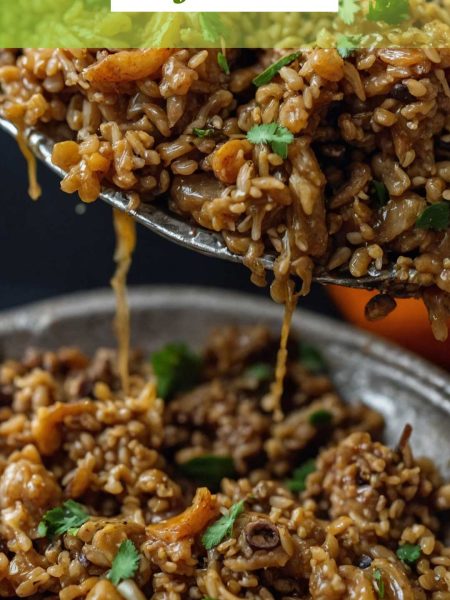
Before we dive into the depths of the best vegetable lasagna recipe, let’s talk about what pairs wonderfully with this delightful dish. Imagine a summer evening gathering with friends and family. What’s better than a vibrant, fresh salad and a crispy baguette alongside your lasagna?
A classic Caesar salad, with its creamy dressing and crunchy croutons, complements the savory flavors beautifully. For something a bit different, try a side of garlic bread that you can dip into the delicious sauce of your lasagna. Don’t forget a chilled glass of white wine or a refreshing lemonade to round things out.
Now, let’s get to the main event!

As a registered dietitian and food enthusiast, I’ve tried countless recipes, but there’s something about vegetable lasagna that hits the spot every time. It’s the kind of dish that feels comforting and filling, yet allows you to sneak a hefty serving of vegetables into your meal. Who said you can’t indulge while also being healthy?
Throughout my journey, one dish has consistently brought smiles to the dinner table: vegetable lasagna.
Despite its reputation for being a labor-intensive meal, I’ve crafted a simple and straightforward recipe that retains all the flavor without wearing you down. Trust me, once you try this, you’ll want to keep it in your collection for years to come You Might Also Like These Recipes!
What is the Best Vegetable Lasagna Recipe?
The best vegetable lasagna combines layers of gooey cheese, zesty tomato sauce, and an assortment of colorful vegetables, all nestled between sheets of pasta. It’s hearty, yet it offers a fresh twist with every bite.
This recipe includes an exciting mix of zucchini, carrots, bell peppers, and fresh baby spinach. What makes it the best, you ask?
First, it’s made with fresh ingredients. You won’t find any bland, frozen veggies here. Second, the recipe is versatile. You can modify it according to your taste or what you have in the fridge. If you’re feeling adventurous, toss in some mushrooms or sautéed eggplant.
How Does It Taste?
Picture this: a forkful of cheesy goodness topped with a burst of flavor from the fresh basil and a mild kick from the red pepper flakes.
The crunchy carrots and soft spinach create a delightful texture contrast. It’s rich and satisfying, yet somehow light enough that you won’t feel like you need to unbutton your pants afterward! Can you taste it yet?
Why You’ll Love This Recipe
Simplicity: Preparation doesn’t take much time at all. Perfect for those hectic weeknights.
Health Benefits: Packed with nutrients from a variety of vegetables.
Flexibility: Easy to adjust ingredients based on seasonal produce or dietary preferences.
Make-Ahead Friendly: You can prepare it in advance and pop it in the oven before serving.
Ingredients
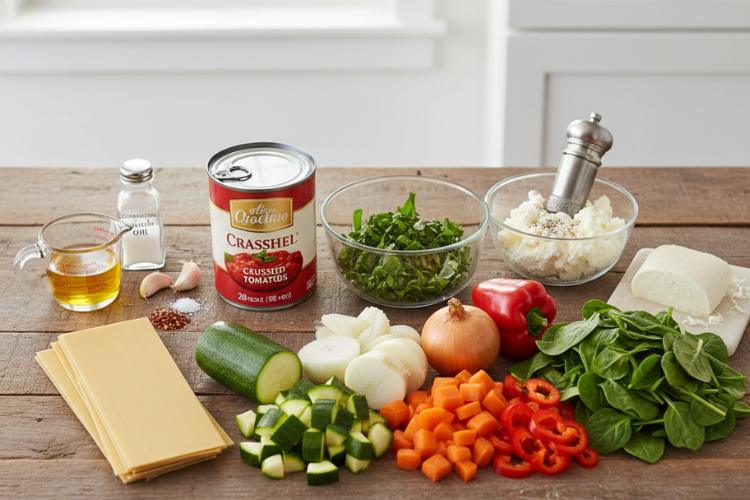
Here’s a simple list of what you’ll need:
For the Tomato Sauce:
- 1 large can (28 ounces) diced tomatoes
- ¼ cup roughly chopped fresh basil + additional for garnish
- 2 tablespoons extra-virgin olive oil
- 2 cloves garlic, pressed or minced
- ½ teaspoon salt
- ¼ teaspoon red pepper flakes
- (Optional: Substitute with 2 cups prepared marinara sauce)
Remaining Ingredients:
- 2 cups (16 ounces) low-fat cottage cheese, divided
- ¼ teaspoon salt, to taste
- Freshly ground black pepper, to taste
- 9 no-boil lasagna noodles*
- 8 ounces (2 cups) freshly grated low-moisture, part-skim mozzarella cheese
Veggies and Spinach:
- 2 tablespoons extra-virgin olive oil
- 1 medium zucchini, chopped
- 1 medium yellow onion, chopped
- 3 large carrots, chopped (about 1 cup)
- 1 red bell pepper, chopped
- ¼ teaspoon salt
- 5 to 6 ounces baby spinach
*Check the package for cooking instructions, as some brands vary.
Step by Step Directions
Step 1: Prepare the Tomato Sauce
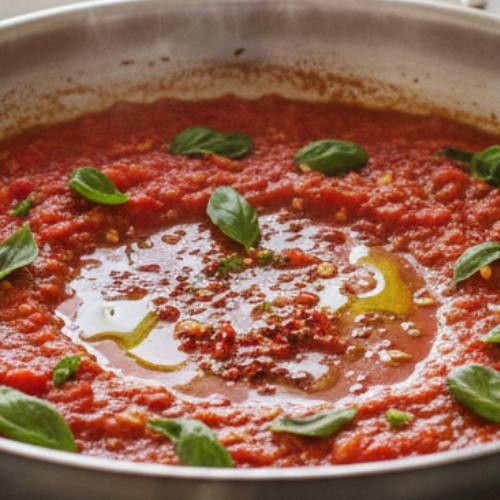
In a large pan, heat the olive oil over medium heat. Add minced garlic and sauté for about one minute until fragrant.
Then, add diced tomatoes, fresh basil, salt, and red pepper flakes. Let this simmer for about 10-15 minutes, allowing the flavors to meld together.
Step 2: Cook the Vegetables
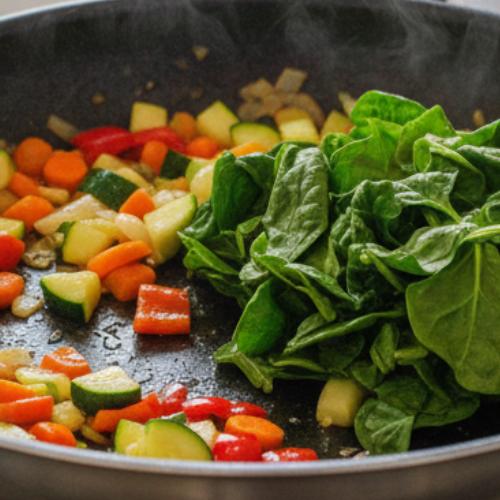
While the sauce is simmering, heat a separate pan with additional olive oil over medium heat.
Add the chopped onion and cook until translucent. Then, add the carrots, zucchini, and red bell pepper. Season with salt and cook until the vegetables are tender, around 5-7 minutes. Finally, stir in the fresh baby spinach until wilted, about 2 minutes.
Step 3: Mix the Cottage Cheese

In a bowl, combine 1 cup of cottage cheese, a pinch of salt, and freshly ground black pepper to taste. This will create a creamy layer for your lasagna.
Step 4: Assemble the Lasagna
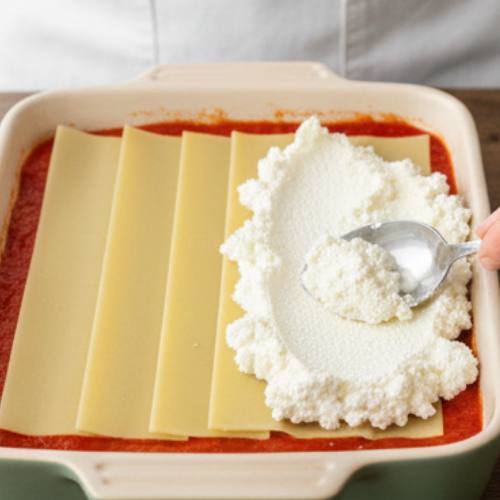
In a baking dish, spread a thin layer of tomato sauce on the bottom. Place 3 noodles on top. Next, layer half of the cottage cheese mixture over the noodles, followed by half of the sautéed veggies. Sprinkle a third of the mozzarella cheese over this layer.
Repeat these layers, ending with 3 noodles on top. Spread the remaining sauce over the noodles and top with the final mozzarella.
Step 5: Bake
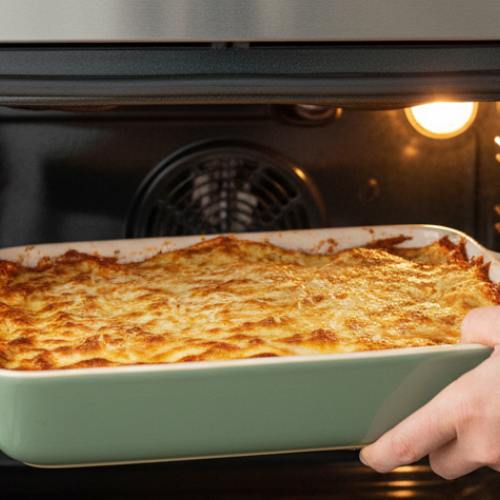
Cover the baking dish with aluminum foil and bake in a preheated oven at 375°F (190°C) for 30 minutes. Remove the foil and bake for an additional 15 minutes or until the top is bubbly and golden.
Step 6: Cool and Serve
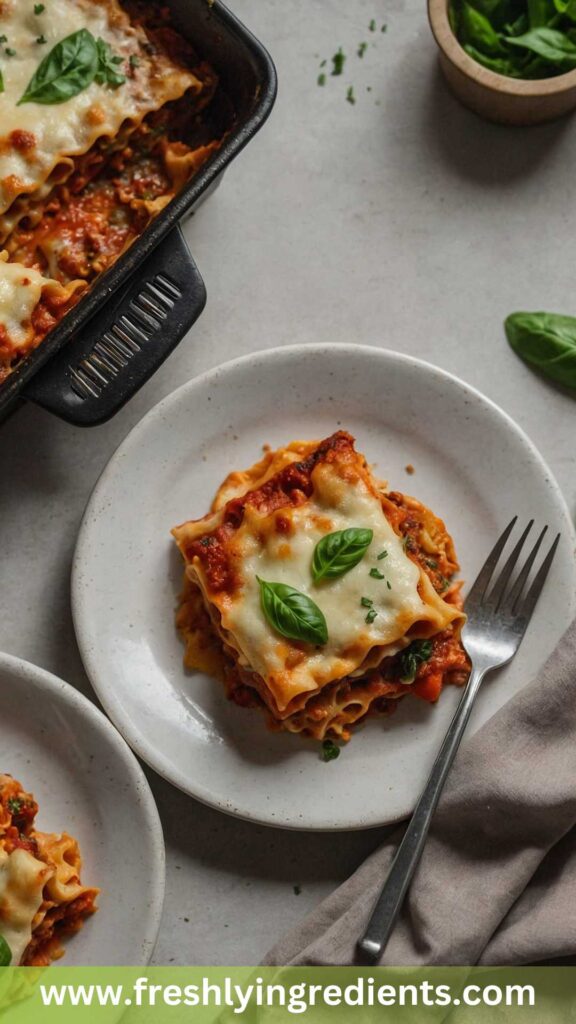
Allow the lasagna to cool for about 10 minutes before slicing. This helps the layers set better, so you want to resist the urge to dig in right away! Serve with a sprinkle of fresh basil on top.
Tips on Making the Best Vegetable Lasagna Recipe
Here are some handy tips for perfecting your vegetable lasagna:
Use No-Boil Noodles: Saves time. They absorb moisture from the sauce, so you don’t need to cook them separately.
Fresh is Best: Opt for fresh vegetables from a local market for superior flavor.
Experiment with Cheese: Try ricotta or even a vegan cheese alternative if preferred.
Add Herbs: Give an aromatic boost by adding oregano or thyme to the sauce.
Leftover Sauce: If you have leftover sauce, consider serving it on the side for an extra burst of flavor.
Nutrition Information
Here’s an estimated breakdown of the nutrition per serving (based on 8 servings):
- Calories: 320
- Protein: 18g
- Total Fat: 10g
- Saturated Fat: 4g
- Carbohydrates: 40g
- Fiber: 6g
- Sugars: 6g
How Do You Store This Best Vegetable Lasagna Recipe?
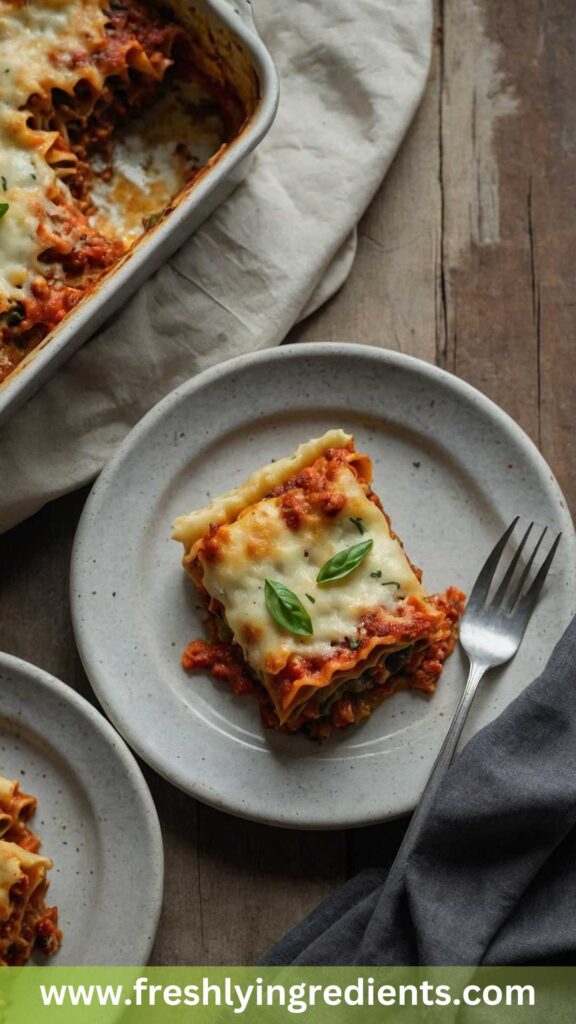
To store leftover vegetable lasagna, let it cool completely before covering it tightly with plastic wrap or aluminum foil. Alternatively, you can place it in an airtight container. It will keep in the fridge for up to 4 days. For longer storage, freeze individual portions in freezer-safe containers. Just remember, frozen lasagna is best enjoyed within three months.
What Other Substitutes Can You Use in the Best Vegetable Lasagna Recipe?
There are always ways to customize a beloved recipe. Here are some suggestions:
Chopped Mushrooms: They can replace zucchini for an earthy flavor.
Eggplant: Sliced thin, it can provide a rich texture and can make your dish more filling.
Paneer or Ricotta Cheese: Swap the cottage cheese for these creamier options for a richer layer.
Kale or Swiss Chard: Substitute spinach with these leafy greens for added nutrients and flavor.
Whole Wheat Noodles: If you want some added fiber, consider whole wheat lasagna noodles instead of regular.
Conclusion
Vegetable lasagna is not just a dish; it’s practically an invitation to get creative in the kitchen. From sauces to cheese, the options are endless. With its vibrant flavors and various veggie combinations, this recipe can become a staple in your culinary repertoire. Plus, it’s an excellent way to use up those vegetables sitting in your fridge.
So, whether you’re cooking for a family dinner or a gathering with friends, this vegetable lasagna promises to impress and satisfy. Each bite brings comfort, nourishment, and most importantly—a good dose of happiness. It’s time to grab your apron, gather your ingredients, and get cooking. Buon Appetito!
You Might Also Like These Latest Recipes!

Best Vegetable Lasagna Recipe – Freshly Ingredients
Description
As a registered dietitian and food enthusiast, I’ve tried countless recipes, but there’s something about vegetable lasagna that hits the spot every time. It’s the kind of dish that feels comforting and filling, yet allows you to sneak a hefty serving of vegetables into your meal. Who said you can't indulge while also being healthy?
Throughout my journey, one dish has consistently brought smiles to the dinner table: vegetable lasagna.
Ingredients
For the Tomato Sauce:
Remaining Ingredients:
Veggies and Spinach:
Instructions
Step 1: Prepare the Tomato Sauce
-
In a large pan, heat the olive oil over medium heat. Add minced garlic and sauté for about one minute until fragrant.
-
Then, add diced tomatoes, fresh basil, salt, and red pepper flakes. Let this simmer for about 10-15 minutes, allowing the flavors to meld together.
Step 2: Cook the Vegetables
-
While the sauce is simmering, heat a separate pan with additional olive oil over medium heat.
-
Add the chopped onion and cook until translucent. Then, add the carrots, zucchini, and red bell pepper. Season with salt and cook until the vegetables are tender, around 5-7 minutes. Finally, stir in the fresh baby spinach until wilted, about 2 minutes.
Step 3: Mix the Cottage Cheese
-
In a bowl, combine 1 cup of cottage cheese, a pinch of salt, and freshly ground black pepper to taste. This will create a creamy layer for your lasagna.
Step 4: Assemble the Lasagna
-
In a baking dish, spread a thin layer of tomato sauce on the bottom. Place 3 noodles on top. Next, layer half of the cottage cheese mixture over the noodles, followed by half of the sautéed veggies. Sprinkle a third of the mozzarella cheese over this layer.
-
Repeat these layers, ending with 3 noodles on top. Spread the remaining sauce over the noodles and top with the final mozzarella.
Step 5: Bake
-
Cover the baking dish with aluminum foil and bake in a preheated oven at 375°F (190°C) for 30 minutes. Remove the foil and bake for an additional 15 minutes or until the top is bubbly and golden.
Step 6: Cool and Serve
-
Allow the lasagna to cool for about 10 minutes before slicing. This helps the layers set better, so you want to resist the urge to dig in right away! Serve with a sprinkle of fresh basil on top.
Nutrition Facts
Servings 8
- Amount Per Serving
- Calories 320kcal
- % Daily Value *
- Total Fat 10g16%
- Saturated Fat 4g20%
- Total Carbohydrate 40g14%
- Dietary Fiber 6g24%
- Sugars 6g
- Protein 18g36%
* Percent Daily Values are based on a 2,000 calorie diet. Your daily value may be higher or lower depending on your calorie needs.
Note
Here are some handy tips for perfecting your vegetable lasagna:
Use No-Boil Noodles: Saves time. They absorb moisture from the sauce, so you don’t need to cook them separately.
Fresh is Best: Opt for fresh vegetables from a local market for superior flavor.
Experiment with Cheese: Try ricotta or even a vegan cheese alternative if preferred.
Add Herbs: Give an aromatic boost by adding oregano or thyme to the sauce.
Leftover Sauce: If you have leftover sauce, consider serving it on the side for an extra burst of flavor.