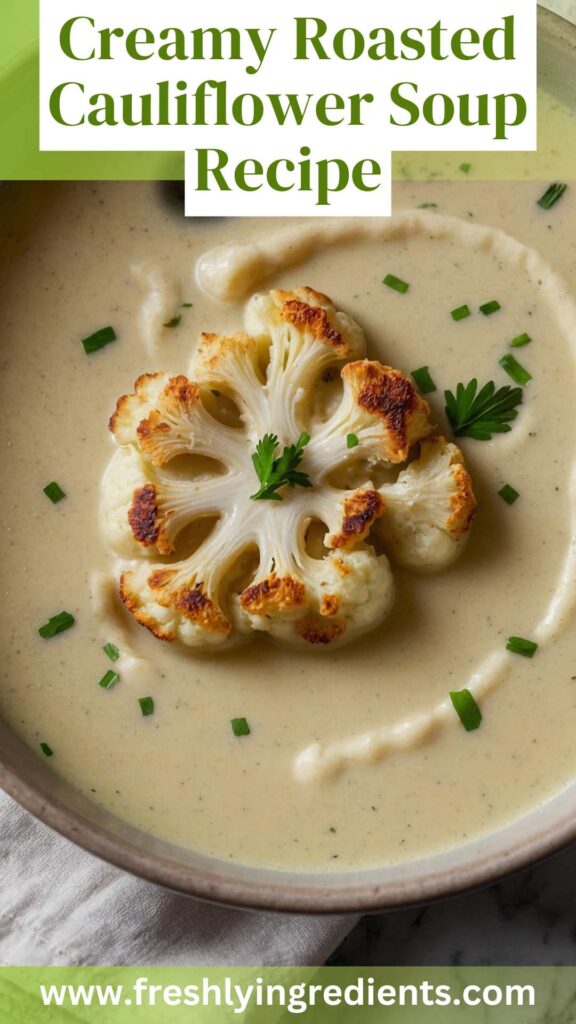
When I think about what to serve alongside a piping hot bowl of creamy roasted cauliflower soup, a few things come to mind. A crunchy, fresh baguette is like a hug for your tastebuds—it’s perfect for dipping.
Additionally, a simple side salad can elevate the whole meal. Think crisp romaine, cherry tomatoes, and a light vinaigrette. You might even add a handful of roasted chickpeas for texture and protein.
If you’re in a festive mood, a glass of white wine, perhaps a chilled Sauvignon Blanc, complements the nutty flavors brilliantly. Ready to dive into the soup?
Why This Recipe Is Great for You
I stumbled upon this creamy roasted cauliflower soup during a chilly afternoon. The comfort it provides is undeniable.
Cauliflower, often underrated, bursts with nutritional benefits. It's rich in vitamins C and K. Plus, it’s a powerhouse of antioxidants. This dish is both rich and healthy, which is a rare find. You can enjoy it as a light main or a filling starter.
What I love about this soup is that it combines simplicity with depth of flavor. You roast the cauliflower, coaxing out its natural sweetness.
I can still remember the aroma wafting through my kitchen, transforming mundane cooking into a sensory experience. This recipe embraces warmth, making it perfect for gatherings or a cozy night in.
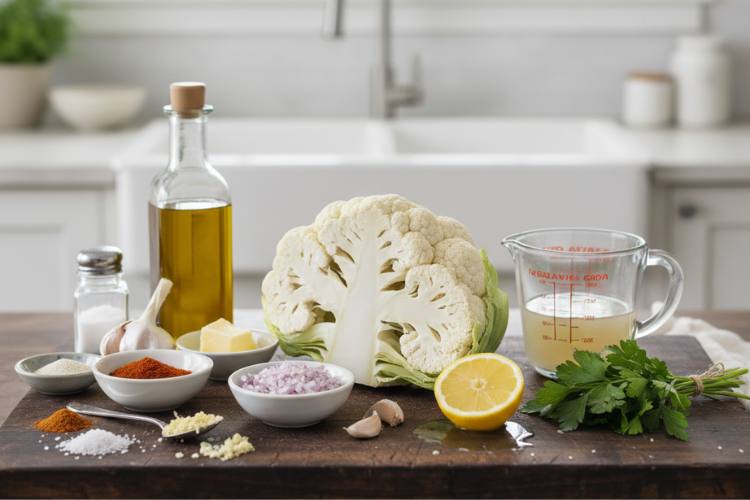
Let’s chat about the lineup of ingredients for this creamy delight. There’s a delightful assortment that turns straightforward cauliflower into something magical.
1. Cauliflower: The star of the show! When broken down into florets and roasted, it gains a deliciously nutty profile.
2. Garlic: Nothing beats the depth of flavor from freshly minced garlic. A couple of cloves pack a serious punch.
3. Onion: I chose a medium purple onion. Its sweetness is a perfect contrast to the savory elements.
4. Spices: A sprinkle of smoked paprika and ground nutmeg creates a warm, inviting flavor base.
5. Vegetable Stock: Low-sodium is the way to go. This keeps the soup from becoming overwhelmingly salty while allowing the other flavors to shine.
6. Butter and Olive Oil: I’m all in for the combination of these fats. They add creaminess and richness to the soup.
7. Lemon Juice: A touch of fresh lemon juice at the end lends brightness, balancing all the flavors seamlessly.
8. Salt and Pepper: To taste, of course! Fine Himalayan pink salt is my go-to—not just because it’s trendy, but it contributes a gentle flavor.
Now, here’s an ingredient list for easy reference:
Ingredients List:
2 cloves garlic, finely minced or crushed
¼ teaspoon white pepper
3 tablespoons extra-virgin olive oil, divided
1 large cauliflower head (approx. 2 pounds), broken into small florets
Preheat your oven to 425°F (220°C). Spread the cauliflower florets on a baking sheet. Drizzle with 2 tablespoons of olive oil and sprinkle with salt, pepper, smoked paprika, and minced garlic. Give it all a good toss to ensure every floret is seasoned.
Now, roast in the oven for about 25-30 minutes. You want the edges to become golden and a bit crispy. This step is key. The caramelization brings out flavors that are simply divine.
Step 2: Sauté the Aromatics
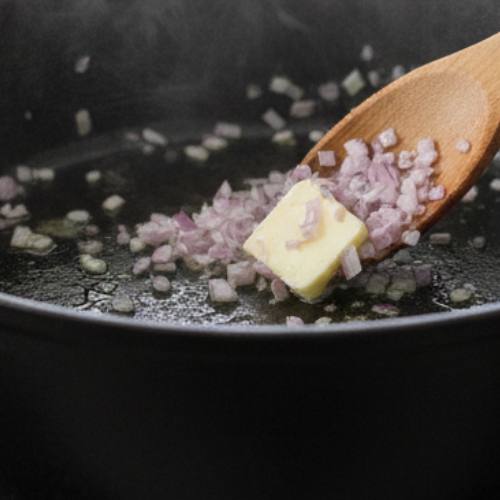
While the cauliflower is roasting, grab a large pot. Heat 1 tablespoon of olive oil and the butter over medium heat.
Once melted, toss in the finely diced purple onion. Cook until translucent, about 5-7 minutes. Stir in the nutmeg and white pepper during the last minute. The aroma will make your mouth water.
Step 3: Add the Stock
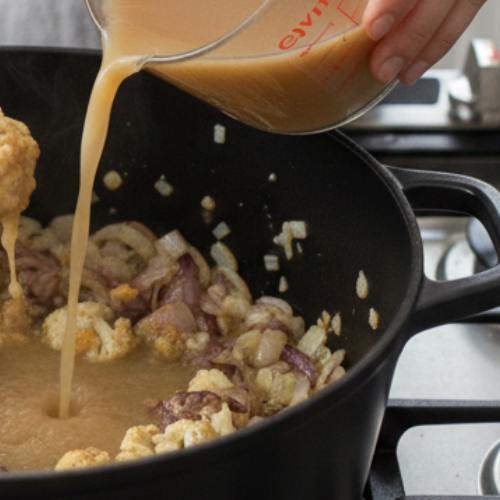
When the cauliflower is ready, add it directly to the pot with the sautéed onions. Then pour in the vegetable stock. Bring this mixture to a gentle simmer for about 10 minutes. This helps the flavors meld beautifully.
Step 4: Blend It All Together
Remove the pot from heat. Now it’s time to blend! I prefer using an immersion blender for ease. If you have a standard blender, let the soup cool slightly before blending in batches.
Blend until smooth. Feel free to adjust the consistency by adding more stock if you like a thinner soup.
Step 5: Finish with Lemon Juice
Stir in the freshly squeezed lemon juice. This adds a refreshing punch that lifts the dish. Give it a taste and adjust the seasoning with more salt or pepper if needed.
Step 6: Serve and Garnish
Ladle the soup into bowls and sprinkle with fresh herbs like parsley, chives, or scallions. This adds a pop of color and freshness—plus, it looks stunning!
Recipe Notes
Cauliflower: Choose heads that are firm and free of blemishes. Organic options are often fresher.
Garlic: Fresh garlic always delivers the best flavor. Avoid pre-minced options.
Onion: Purple onions bring sweetness, but yellow or white onions work too.
Stock: Low-sodium vegetable stock can be easily found in stores. Making your own adds even more flavor, although it requires time.
Lemon Juice: Freshly squeezed lemon juice is irreplaceable. The bottled kind can’t compete.
Recipe Variations
1. Add Nuts: Toss in some toasted pine nuts for crunch.
2. Spice it Up: For a kick, add red pepper flakes or a dash of cayenne.
3. Creamy Version: Stir in a dollop of cream or a splash of coconut milk for extra richness.
4. Herb Alterations: Swap parsley for thyme or cilantro based on your preference.
5. Cheesy Delight: Stir in some grated Parmesan for a savory, cheesy finish.
Creating creamy roasted cauliflower soup is a straightforward process that results in a warm, satisfying dish worthy of any table.
Not only does it warm the body, but it also delights the senses with rich aromas and flavors. This recipe is versatile, allowing for personal touches and variations to suit your palate.
As I sit here with a spoonful of this velvety goodness, I think about the joy it brings. Whether for a family gathering or a quiet night at home, this soup is sure to impress.
So gather your ingredients, fire up that blender, and dive into a bowl of pure bliss. You won’t regret it!
When I think about what to serve alongside a piping hot bowl of creamy roasted cauliflower soup, a few things come to mind. A crunchy, fresh baguette is like a hug for your tastebuds—it’s perfect for dipping.
Preheat your oven to 425°F (220°C). Spread the cauliflower florets on a baking sheet. Drizzle with 2 tablespoons of olive oil and sprinkle with salt, pepper, smoked paprika, and minced garlic. Give it all a good toss to ensure every floret is seasoned.
2
Now, roast in the oven for about 25-30 minutes. You want the edges to become golden and a bit crispy. This step is key. The caramelization brings out flavors that are simply divine.
Step 2: Sauté the Aromatics
3
While the cauliflower is roasting, grab a large pot. Heat 1 tablespoon of olive oil and the butter over medium heat.
4
Once melted, toss in the finely diced purple onion. Cook until translucent, about 5-7 minutes. Stir in the nutmeg and white pepper during the last minute. The aroma will make your mouth water.
Step 3: Add the Stock
5
When the cauliflower is ready, add it directly to the pot with the sautéed onions. Then pour in the vegetable stock. Bring this mixture to a gentle simmer for about 10 minutes. This helps the flavors meld beautifully.
Step 4: Blend It All Together
6
Remove the pot from heat. Now it’s time to blend! I prefer using an immersion blender for ease. If you have a standard blender, let the soup cool slightly before blending in batches.
7
Blend until smooth. Feel free to adjust the consistency by adding more stock if you like a thinner soup.
Step 5: Finish with Lemon Juice
8
Stir in the freshly squeezed lemon juice. This adds a refreshing punch that lifts the dish. Give it a taste and adjust the seasoning with more salt or pepper if needed.
Step 6: Serve and Garnish
9
Ladle the soup into bowls and sprinkle with fresh herbs like parsley, chives, or scallions. This adds a pop of color and freshness—plus, it looks stunning!
Nutrition Facts
Servings 4
Amount Per Serving
Calories224kcal
% Daily Value *
Total Fat24.5g38%
Saturated Fat18.5g93%
Cholesterol3mg1%
Sodium45mg2%
Total Carbohydrate3g1%
Dietary Fiber1g4%
Sugars1g
Protein1g2%
* Percent Daily Values are based on a 2,000 calorie diet. Your daily value may be higher or lower depending on your calorie needs.
Note
Cauliflower: Choose heads that are firm and free of blemishes. Organic options are often fresher.
Garlic: Fresh garlic always delivers the best flavor. Avoid pre-minced options.
Onion: Purple onions bring sweetness, but yellow or white onions work too.
Stock: Low-sodium vegetable stock can be easily found in stores. Making your own adds even more flavor, although it requires time.
Lemon Juice: Freshly squeezed lemon juice is irreplaceable. The bottled kind can’t compete.
Charlotte Shapiro is a registered dietitian and the author of Freshly Ingredients, a blog dedicated to easy, nutritious, and flavorful recipes. Based in Alaska, Charlotte draws inspiration from local ingredients and diverse cuisines to create balanced meals that are simple to prepare. With a passion for making healthy eating accessible, she shares practical tips and recipes that fit into busy lifestyles. Through her blog, Charlotte aims to empower readers to enjoy wholesome, home-cooked meals without the hassle.