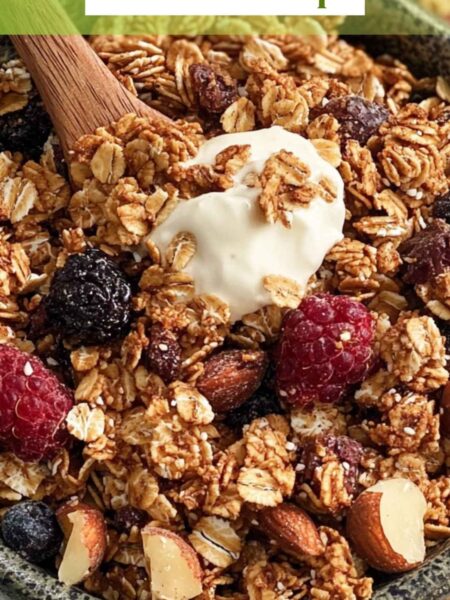
Before we dive into the flax egg recipe, let’s chat about what you might enjoy with it. This versatile ingredient can be blended into various dishes. Think about a hearty veggie burger, where the flax egg helps bind everything together, or a fluffy pancake stack on your Sunday morning brunch table.
You can use it in baked goods, too. Muffins, brownies, and even binders for meatballs benefit from the flax egg’s texture. Not to mention, it’s an incredible vegan substitute that speaks to both health-conscious diners and those with dietary restrictions.
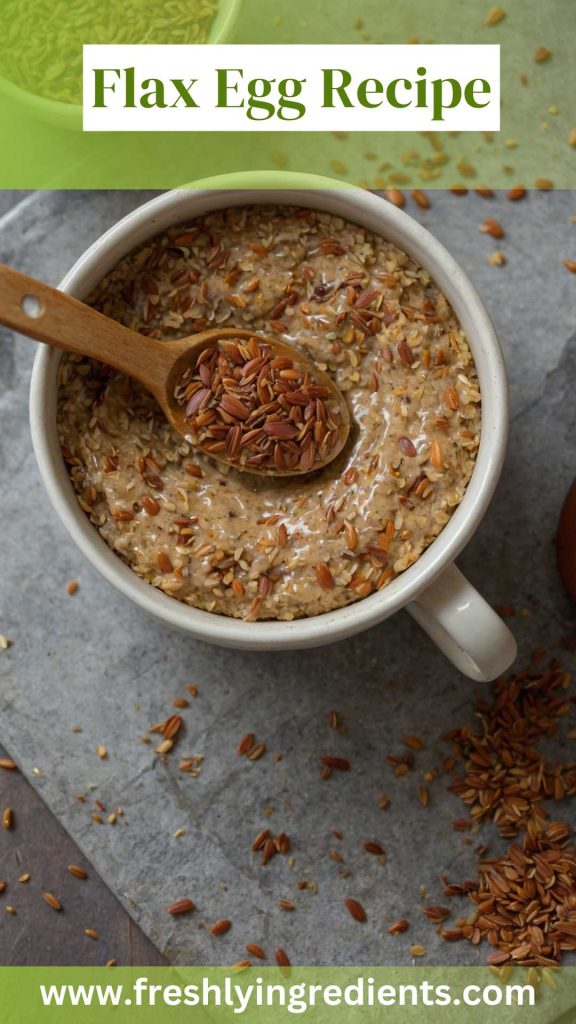
Have you ever stood in front of your pantry and realized you’re out of eggs when your recipe calls for them? It’s a classic kitchen conundrum. Fortunately, I have a solution that’s both simple and effective: the flax egg.
This egg substitute doesn’t just help bind ingredients; it’s packed with nutrients, and you’ll hardly miss the real thing. Whether you’re vegan, allergic to eggs, or simply looking to make a healthier choice, this flax egg recipe could be your new best friend in the kitchen.
You Might Also Like These Recipes!
What is Flax Egg Recipe?
In simple terms, a flax egg is a mixture of ground flaxseeds and water that mimics the binding properties of a regular egg. When combined, flaxseeds turn gelatinous, creating a texture that works marvelously in many recipes.
It’s an ancient ingredient that’s found a modern-day revival, celebrating its health benefits while shining in popular recipes. It’s not just a filler; it’s a source of omega-3 fatty acids, fiber, and a plethora of other nutrients.
Why You’ll Love this Flax Egg Recipe
Now, why should you invest your time in making a flax egg? Here’s the scoop:
Healthy and Nutritious: Flaxseeds are tiny powerhouses. They promote heart health, help with digestion, and are packed with fiber. Incorporating them into your diet can lead to lasting benefits.
Easy to Make: Blend, stir, wait a bit, and voila! In under five minutes, you have created a fantastic substitute.
Versatility: Whether you want to bake cookies or whip up a casserole, flax eggs can seamlessly fit into almost any recipe that requires egg.
Cost-Effective: Flaxseeds are often less expensive than eggs, making this an economical choice.
Environmental Impact: Flax farming has a lower environmental footprint than egg production, aligning with a more sustainable lifestyle.
The Ingredients You Will Need to Make Flax Egg Recipe
Here’s what you need for a standard flax egg:
1 tablespoon finely ground flaxseeds (flaxseed powder)
2.5 tablespoons filtered water
Optional: ½ teaspoon vanilla extract (to enhance flavor)
Optional: ¼ teaspoon cinnamon (for a touch of spice)
Gather these ingredients, and you are nearly there!
Directions
Step 1: Measure Your Flaxseeds
Get your measuring spoons ready. You’ll want to use finely ground flaxseeds, which you can buy pre-ground or grind yourself using a coffee grinder.
Step 2: Combine with Water
Take your tablespoon of ground flaxseeds and place it in a small bowl. Add 2.5 tablespoons of filtered water to the mix.
Step 3: Stir Together
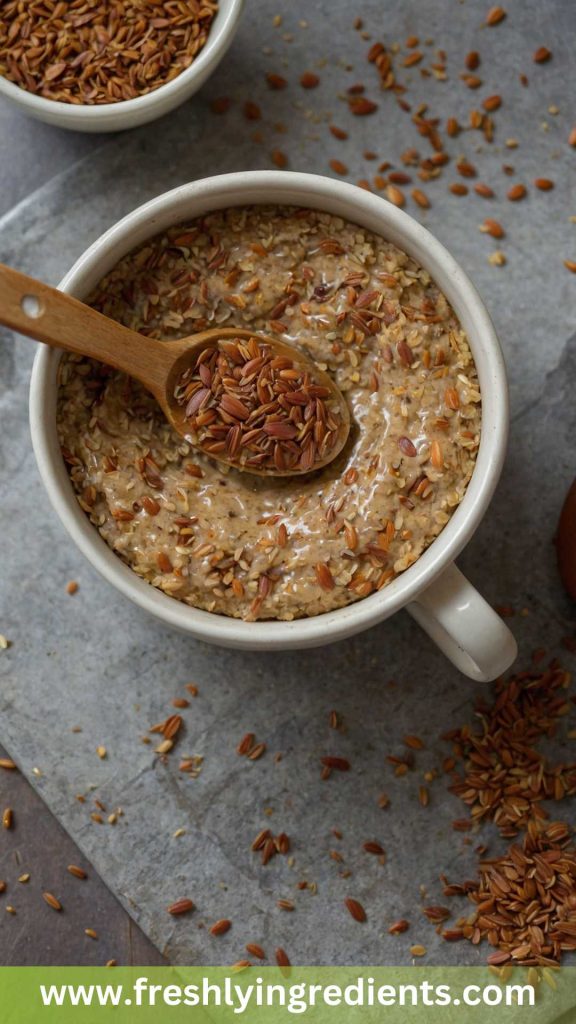
Using a fork or small whisk, mix the seeds and water thoroughly. It should resemble a runny gel.
Step 4: Let It Sit
This step is crucial. Allow the mixture to rest for about 5 to 10 minutes. Watching it closely here is key; it should thicken as it sits.
Step 5: Use It
After resting, your flax egg is ready! It can now substitute one egg in any recipe that calls for eggs.
Notes
Here are a few tips to get your flax egg just right, making your cooking experience smoother:
Grinding Your Own Flaxseeds: Whole flaxseeds will pass through your system undigested if not ground. Always use freshly ground seeds for maximum nutrients.
Check Freshness: Flaxseeds can go rancid when old. Ensure your seeds are fresh for the best flavor and health benefits.
Don’t Overmix: Mixing too vigorously can break down the gel consistency you’re aiming for.
Test the Recipe: Adjust the amount if you’re cooking for specific recipes. Sometimes using more or less flax helps achieve your desired consistency or flavor.
Plant-Based Protein: Pair flax eggs with other ingredients like chickpeas for additional protein.
Storage Tips
Flax eggs do not store well once made. For the best results, prepare them fresh for each use. However, you can store ground flaxseeds in an airtight container in the fridge for up to 6 months.
Nutrition Information
A flax egg (1 tablespoon flaxseed combined with 2.5 tablespoons water) contains:
Calories: roughly 37
Protein: 1.3 grams
Total Fat: 3 grams
Fiber: 2 grams
Omega-3: 2.4 grams
Impressive, right? You’ve turned a simple egg substitute into a nutritional ally.
Serving Suggestions
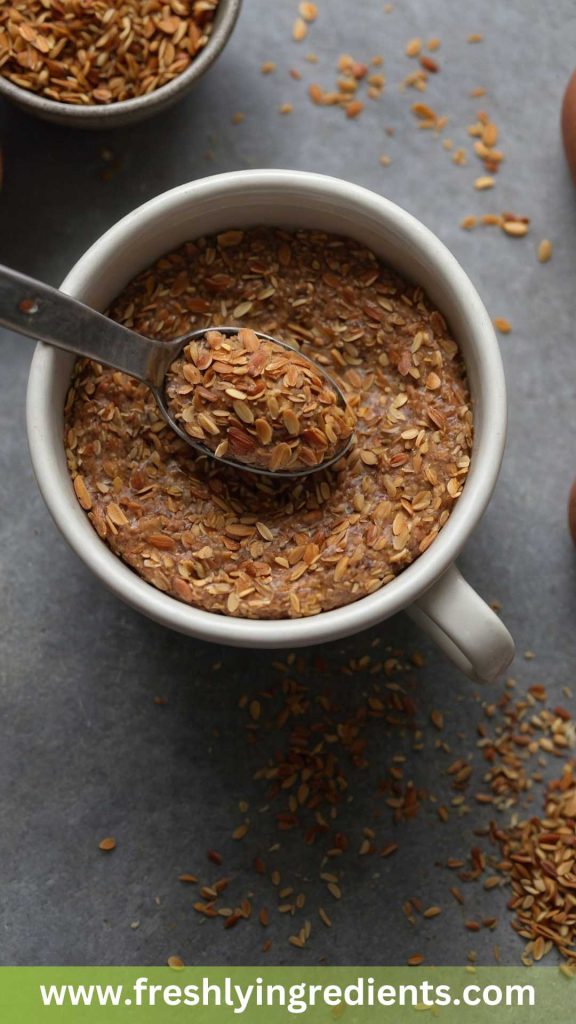
Flax eggs may surprise you with their versatility. Here are some yummy dishes you could whip up:
Baked goods: Replace eggs in brownies, cakes, or muffins for a nutritious kick.
Pancakes: Combine ingredients for pancakes, and use flax eggs for a fluffier bite.
Veggie burgers: Flax eggs act as a binder, making veggie burgers hold their shape upon cooking.
Cookies: Give your cookies a health twist while still keeping them delicious.
Smoothies: Blend these into smoothies for added nutrition without altering the flavor significantly.
What Other Substitute Can I Use in Flax Egg Recipe?
There are several other great egg substitutes worth considering. Here are some top choices:
Chia Seeds: Similar to flax, chia seeds gel when mixed with water.
Applesauce: Use ¼ cup unsweetened applesauce to replace one egg, perfect for sweet treats.
Mashed Banana: A mashed banana (about ½) adds flavor while keeping the dish moist.
Silken Tofu: Blend ¼ cup of silken tofu for a rich texture in recipes like brownies or cookies.
Commercial Egg Replacer: Follow the package instructions of a commercial egg replacer; they are designed for variety.
Conclusion
Now that you’ve delved into the flax egg recipe, it’s clear why this little kitchen trick is becoming a favorite among home cooks and health aficionados alike. With its simple preparation and awesome nutritional profile, it’s an absolute game-changer. Using flax eggs not only helps bind your dishes but brings a sense of satisfaction that you’re making a healthier choice.
You Might Also Like These Latest Recipes!

Flax Egg Recipe – Freshly Ingredients
Description
Have you ever stood in front of your pantry and realized you’re out of eggs when your recipe calls for them? It’s a classic kitchen conundrum. Fortunately, I have a solution that’s both simple and effective: the flax egg.
This egg substitute doesn’t just help bind ingredients; it’s packed with nutrients, and you'll hardly miss the real thing. Whether you’re vegan, allergic to eggs, or simply looking to make a healthier choice, this flax egg recipe could be your new best friend in the kitchen.
Ingredients
Instructions
Step 1: Measure Your Flaxseeds
-
Get your measuring spoons ready. You’ll want to use finely ground flaxseeds, which you can buy pre-ground or grind yourself using a coffee grinder.
Step 2: Combine with Water
-
Take your tablespoon of ground flaxseeds and place it in a small bowl. Add 2.5 tablespoons of filtered water to the mix.
Step 3: Stir Together
-
Using a fork or small whisk, mix the seeds and water thoroughly. It should resemble a runny gel.
Step 4: Let It Sit
-
This step is crucial. Allow the mixture to rest for about 5 to 10 minutes. Watching it closely here is key; it should thicken as it sits.
Step 5: Use It
-
After resting, your flax egg is ready! It can now substitute one egg in any recipe that calls for eggs.
Nutrition Facts
Servings 1
- Amount Per Serving
- % Daily Value *
- Total Fat 3g5%
- Protein 1.3g3%
* Percent Daily Values are based on a 2,000 calorie diet. Your daily value may be higher or lower depending on your calorie needs.
Note
Here are a few tips to get your flax egg just right, making your cooking experience smoother:
Grinding Your Own Flaxseeds: Whole flaxseeds will pass through your system undigested if not ground. Always use freshly ground seeds for maximum nutrients.
Check Freshness: Flaxseeds can go rancid when old. Ensure your seeds are fresh for the best flavor and health benefits.
Don’t Overmix: Mixing too vigorously can break down the gel consistency you’re aiming for.
Test the Recipe: Adjust the amount if you're cooking for specific recipes. Sometimes using more or less flax helps achieve your desired consistency or flavor.
Plant-Based Protein: Pair flax eggs with other ingredients like chickpeas for additional protein.