When I first fell in love with basil pesto, I realized how it could easily elevate a dish. The creamy, herby mixture pairs beautifully with pasta, grilled meats, and sandwiches.
Tossed with your favorite pasta, it transforms a simple meal into something extraordinary. Spread it on toasted ciabatta for a quick appetizer, or drizzle it over grilled chicken for a burst of flavor. Don’t overlook its potential in salads, either—just a dollop can coax vibrant flavor from fresh ingredients.
As summer approached and the sun lingered longer in the sky, our outings became all about gatherings. My friends and family would marvel as I whipped up delectable dishes, perfect for those lazy afternoons. One star of the show was always my homemade basil pesto. The vibrant green sauce, bursting with flavor, never failed to impress.
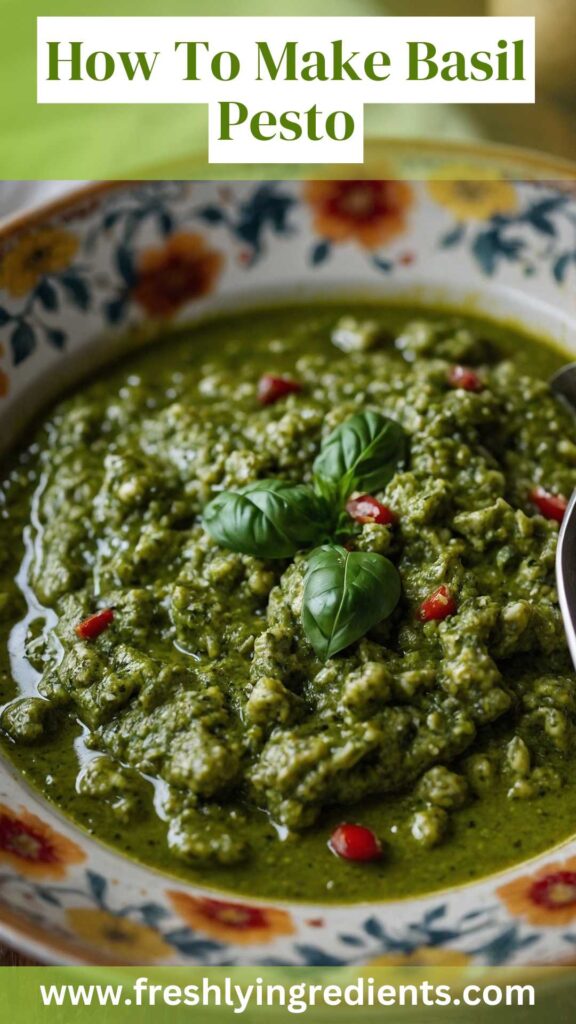
Basil pesto is a sauce originating from the Italian region of Liguria. Traditionally made with fresh basil, garlic, pine nuts, Parmesan cheese, and olive oil, it’s a culinary staple that has found a home in kitchens around the globe.
I love crafting my own version of this aromatic sauce. Each time I make it, I’m reminded that the rush of flavor can make plain ingredients come to life. My food journey led me to discover just how versatile this sauce can be.
From pasta salads to dipping sauces, the uses for pesto are endless. Each ingredient complements the others perfectly, creating an experience worth savoring. With a bit of practice and some fresh basil, you too can create a homemade pesto that will dazzle.
You Might Also Like These Recipes!
What is Basil Pesto?
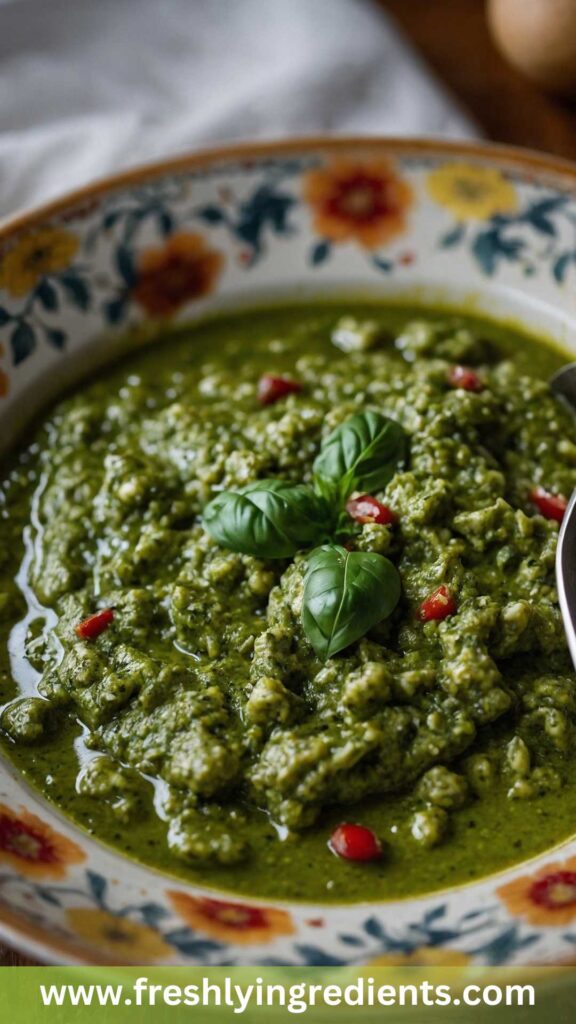
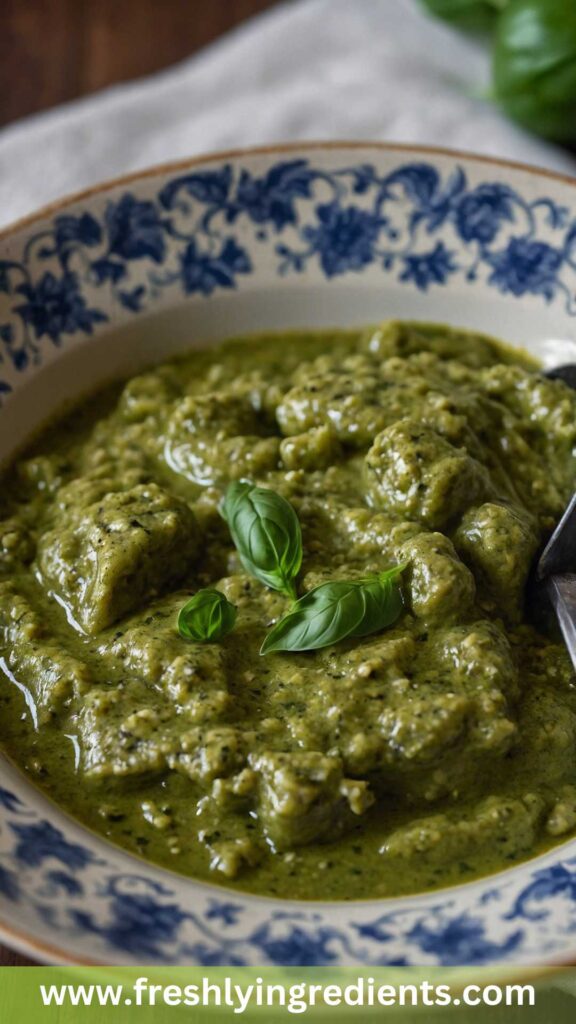
Basil pesto is quite simple: a raw sauce combining fresh basil leaves with a handful of other ingredients. Traditionally, it involves grinding the ingredients together, releasing the natural oils and flavors. The word “pesto” comes from the Italian verb “pestare,” meaning to crush or grind. Traditionally, a mortar and pestle were used for this, but modern convenience often calls for blenders or food processors.
The beauty of homemade pesto lies in its balance of flavors. The nuttiness of pine nuts, the sharpness of Parmesan, and the bold flavor of garlic come together with olive oil to create a harmonious blend. Pouring this liquid gold over pasta or meat adds a touch of luxury to any dish.
How Does It Taste?
Imagine the first bite: a burst of fresh basil flavor hits your palate, complemented by the richness of olive oil and the bite of cheese. There’s a comforting creaminess with a hint of crunch from the nuts, wrapped in an aromatic embrace. Each swirl in the blender releases a delightful scent that beckons you closer.
Why You’ll Love This?
What’s not to love? Making your own basil pesto is not only easy but also allows you to control the ingredients. Fresh, vibrant basil works wonders, while the process itself is fast and fun. Plus, basil’s health benefits are numerous—it’s a source of vitamins A, C, and K.
I often joke that basil pesto is like a hug in a bowl. It adds warmth to any meal. Trust me; you’ll find a hundred ways to incorporate it into your cooking.
Ingredients
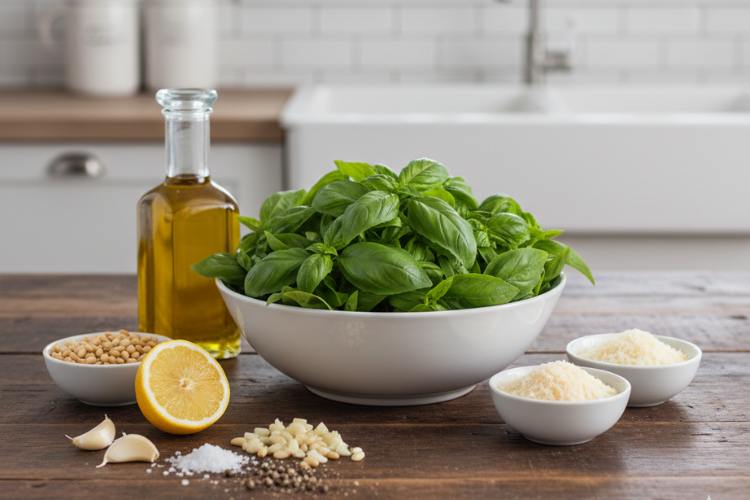
Let’s gather some ingredients first. You’ll need:
- 2 cups tightly packed fresh basil leaves: the star of our show, packed with flavor.
- 1/2 cup finely grated aged Parmesan or Parmigiano-Reggiano: for that rich, cheesy taste.
- 2 tablespoons freshly grated Pecorino Romano: adds depth to the flavor profile.
- 1/2 cup cold-pressed extra virgin olive oil: the backbone of our pesto, providing a smooth texture.
- 1/3 cup toasted pine nuts or walnuts: for crunch and nuttiness.
- 1 to 2 cloves garlic, roughly chopped: to infuse that distinctive aroma.
- Juice from half a lemon (freshly squeezed): a splash of balance, brightness, and acidity.
- Cracked black pepper: just for seasoning.
- Pinch of sea salt, to taste: to round out the flavors.
Each ingredient plays a specific role, contributing to the overall essence of your homemade pesto.
Step-by-Step Directions
Let’s dive into making our basil pesto. Grab your ingredients and let’s get started!
Step 1: Gather Your Ingredients
First, gather all the components listed above. Fresh basil leaves are crucial; they should be vibrant and fragrant. If they look wilted or brown, skip them.
Step 2: Toast the Nuts
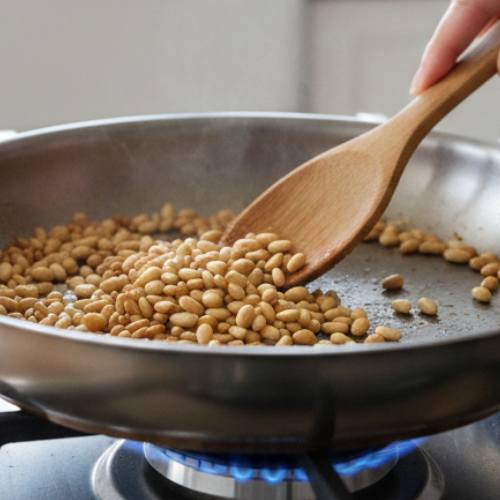
In a dry skillet over medium heat, toast your pine nuts or walnuts. Keep stirring to avoid burning them. The goal is to release the oils and enhance their flavor. About 3-5 minutes should do the trick. Once they’re golden and fragrant, take them off the heat and let them cool.
Step 3: Blend the Ingredients
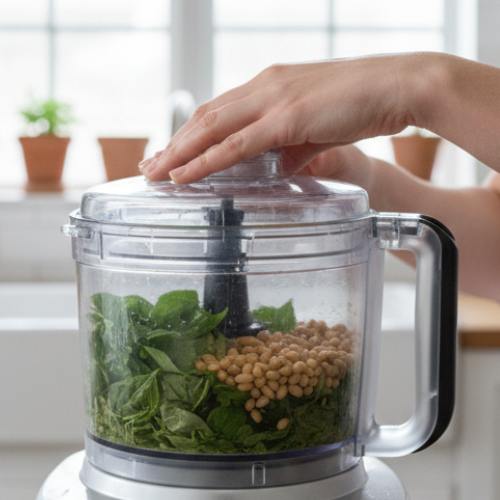
In your food processor, combine the basil leaves, cooled nuts, garlic, and both cheeses. Pulse a few times until everything is roughly chopped.
Step 4: Drizzle in the Olive Oil
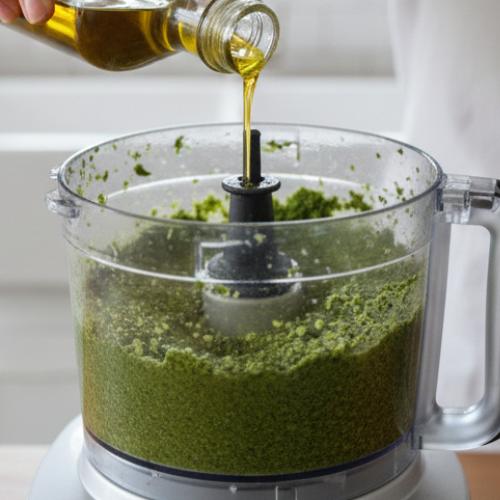
With the processor running, slowly drizzle in the olive oil. Doing this gradually will help emulsify the mixture, creating a silky-smooth texture.
Step 5: Add Lemon Juice, Salt, and Pepper
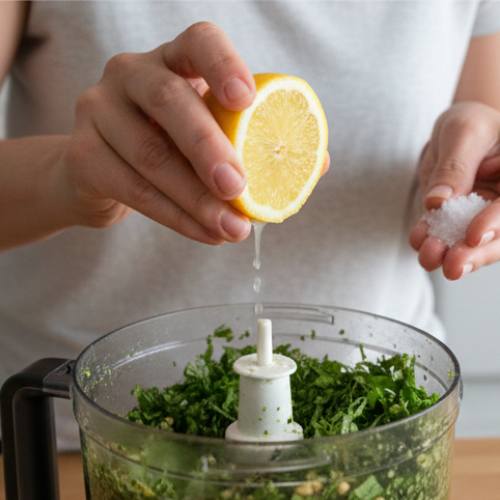
Pause the processor to scrape down the sides. Now, add your freshly squeezed lemon juice, a pinch of sea salt, and some cracked black pepper. Pulse a few more times until everything is well mixed.
Step 6: Taste and Adjust
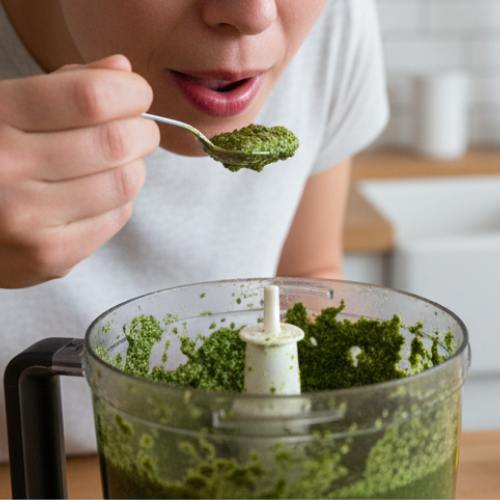
Give your pesto a taste. Adjust the seasoning based on your preference. If it’s too thick, feel free to add a touch more olive oil.
Step 7: Serve or Store
Once you’re happy with your pesto, it’s ready to serve. Toss it with fresh pasta, spoon it onto grilled chicken, or use it as a spread. For storing, keep it in an airtight container in the fridge.
Tips on Making Basil Pesto
- Use Fresh Ingredients: Opt for fresh basil whenever possible. The quality of the basil determines the flavor.
- Experiment with Nuts: If you’re not a fan of pine nuts, try walnuts, hazelnuts, or even almonds. They each impart a unique flavor.
- Add Extra Garlic: Love garlic? Feel free to toss in an extra clove or two for a more potent flavor.
- Make it Vegan: Substitute the cheese with nutritional yeast for a dairy-free version without sacrificing flavor.
- Adjust Consistency: If the pesto is too thick, drizzle in more olive oil. Alternatively, a little water also works wonders.
Nutrition Information
In each tablespoon of this homemade basil pesto, you can expect roughly:
- Calories: 80
- Fat: 9g
- Protein: 2g
- Carbohydrates: 1g
- Fiber: 0g
- Sugar: 0g
These values can vary based on the specific brands and proportions you use. Overall, it’s a nutrient-dense option.
How Do You Store This Basil Pesto?
After all your hard work, you’ll want to make sure your pesto stays fresh. Here’s how to do it:
- Refrigeration: Store it in an airtight container. To prevent browning, pour a thin layer of olive oil on top. It should keep for about a week.
- Freezing: For longer storage, freeze the pesto. Ice cube trays work great. Once frozen, transfer the cubes to a freezer bag. This way, you can thaw just what you need.
Substitutes for Basil in Pesto
If basil isn’t your thing, or if you’re looking for something different, here are some alternatives you can explore:
- Spinach: A slightly milder flavor, packed with nutrients.
- Arugula: Adds a peppery bite, moving away from traditional flavors.
- Kale: For a superfood twist, kale is an excellent substitute that amps up the health benefits.
- Cilantro: If you love its flavor, cilantro pesto is a unique take that can brighten up any dish.
- Parsley: A neutral herb for those who prefer a subtler taste—worth trying!
Conclusion
Basil pesto may seem like a simple concoction, but with quality ingredients and a bit of love, it can become a beloved staple in your kitchen. The joy of making it fresh cannot be overstated. There’s something special about taking classic ingredients and transforming them into a vibrant sauce.
So, the next time you’re hosting a gathering or simply preparing a meal for yourself, consider this versatile and delicious basil pesto. Its variations and applications are nearly limitless. Dress it up or keep it simple, but whatever you do, don’t skimp on the basil! It might just become your new go-to sauce that everyone loves. Now, go grab that bunch of fresh basil and start blending; the flavors are calling!
You Might Also Like These Latest Recipes!

How To Make Basil Pesto – Freshly Ingredients
Description
Basil pesto is a sauce originating from the Italian region of Liguria. Traditionally made with fresh basil, garlic, pine nuts, Parmesan cheese, and olive oil, it's a culinary staple that has found a home in kitchens around the globe.
I love crafting my own version of this aromatic sauce. Each time I make it, I’m reminded that the rush of flavor can make plain ingredients come to life. My food journey led me to discover just how versatile this sauce can be.
Ingredients
Let’s gather some ingredients first. You’ll need:
Instructions
-
Let’s dive into making our basil pesto. Grab your ingredients and let’s get started!
Step 1: Gather Your Ingredients
-
First, gather all the components listed above. Fresh basil leaves are crucial; they should be vibrant and fragrant. If they look wilted or brown, skip them.
Step 2: Toast the Nuts
-
In a dry skillet over medium heat, toast your pine nuts or walnuts. Keep stirring to avoid burning them. The goal is to release the oils and enhance their flavor. About 3-5 minutes should do the trick. Once they’re golden and fragrant, take them off the heat and let them cool.
Step 3: Blend the Ingredients
-
In your food processor, combine the basil leaves, cooled nuts, garlic, and both cheeses. Pulse a few times until everything is roughly chopped.
Step 4: Drizzle in the Olive Oil
-
With the processor running, slowly drizzle in the olive oil. Doing this gradually will help emulsify the mixture, creating a silky-smooth texture.
Step 5: Add Lemon Juice, Salt, and Pepper
-
Pause the processor to scrape down the sides. Now, add your freshly squeezed lemon juice, a pinch of sea salt, and some cracked black pepper. Pulse a few more times until everything is well mixed.
Step 6: Taste and Adjust
-
Give your pesto a taste. Adjust the seasoning based on your preference. If it’s too thick, feel free to add a touch more olive oil.
Step 7: Serve or Store
-
Once you're happy with your pesto, it’s ready to serve. Toss it with fresh pasta, spoon it onto grilled chicken, or use it as a spread. For storing, keep it in an airtight container in the fridge.
Nutrition Facts
Servings 16
- Amount Per Serving
- Calories 80kcal
- % Daily Value *
- Total Fat 9g14%
- Total Carbohydrate 1g1%
- Protein 2g4%
* Percent Daily Values are based on a 2,000 calorie diet. Your daily value may be higher or lower depending on your calorie needs.
Note
- Use Fresh Ingredients: Opt for fresh basil whenever possible. The quality of the basil determines the flavor.
- Experiment with Nuts: If you’re not a fan of pine nuts, try walnuts, hazelnuts, or even almonds. They each impart a unique flavor.
- Add Extra Garlic: Love garlic? Feel free to toss in an extra clove or two for a more potent flavor.
- Make it Vegan: Substitute the cheese with nutritional yeast for a dairy-free version without sacrificing flavor.
- Adjust Consistency: If the pesto is too thick, drizzle in more olive oil. Alternatively, a little water also works wonders.