Mujaddara is a delightful dish that shines on its own but can easily be paired with various sides to enhance the meal. Consider serving it alongside a fresh cucumber salad tossed with lemon and mint. This adds a vibrant, crunchy contrast. A simple yogurt sauce with garlic and herbs also complements its flavors beautifully.
If you want something with a bit of spice, consider a tabbouleh salad. The freshness of the tomatoes, parsley, and bulgur wheat will elevate your dining experience. Finally, some warm pita bread can never hurt, adding a perfect vehicle for scooping up that spoonful of deliciousness.
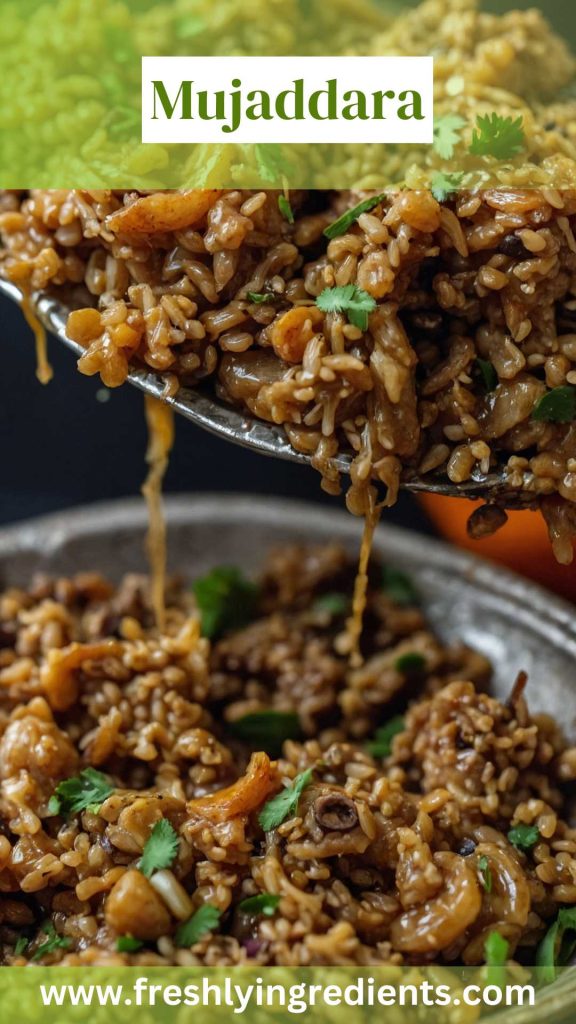
Here’s a dish that every foodie should know about: mujaddara. Growing up in a family that embraced diverse cuisines, mujaddara was a soothing embrace on a hectic weeknight, effortlessly bringing comfort to our dinner table. Even during the most stressful times, when the day felt like a marathon, this dish was as welcoming as a hug at the finish line.
As I ventured into the culinary landscape, I realized that mujaddara is more than just a meal. It’s a communal dish, a symbol of hospitality. It stems from Middle Eastern roots and has been cherished across generations. This recipe tells a story, connecting people through its rich, earthy flavors. It’s budget-friendly and packed with nutrients, making it a staple for those who love to eat well without breaking the bank.
What is Mujaddara?
At its core, mujaddara is a simple yet tasty dish made primarily of lentils, rice, and onions. It is a beloved dish across various Middle Eastern cultures, and its name translates to “pockmarked” or “dotted,” likening the lentils scattered throughout the rice. The beauty of mujaddara lies in its straightforward preparation and humble ingredients. Despite this simplicity, every mouthful is a burst of flavor and warmth, welcoming anyone at the table.
What is the Flavor Profile of This Dish?
Flavor-wise, mujaddara is earthy and comforting. The lentils lend a hearty, nutty taste, while the rice adds softness. The sautéed onions carry a sweet richness that elevates the entire dish. A touch of cumin introduces warmth, and the sprinkle of fresh parsley provides a burst of brightness.
The entire experience is like a gentle embrace, with each ingredient playing its part beautifully. It’s not overly complicated, but every bite dances with intricate layers, leaving you longing for more.
Why You’ll Love This?
You’ll love mujaddara for several reasons. First, it’s incredibly easy to make. With minimal prep and a handful of ingredients, you can whip it up in no time. Second, it’s versatile! Pair it with salads, meats, or even enjoy it as a standalone dish. You can also customize it based on what’s in your pantry.
Additionally, it’s a powerhouse of nutrients. Packed with fiber from the lentils and healthy carbohydrates from the rice, mujaddara keeps you satisfied without weighing you down. Plus, it’s vegetarian-friendly, making it a go-to for meatless Mondays or any day you want to eat lighter.
Ingredients
Before diving into the cooking, let’s gather the necessary ingredients. Here’s what you’ll need:
Main Dish Ingredients
- 1 cup long-grain white rice, soaked for 10–15 minutes and then drained
- 1 small bay leaf (optional, as it adds a subtle aroma)
- ½ teaspoon ground coriander
- 2 large yellow onions, finely diced (about 4 cups)
- ¼ cup extra-virgin olive oil (plus more for finishing)
- 1 cup dried black lentils, rinsed and picked over
- 4 cups water, divided
- Chopped fresh parsley, for garnish
- ½–1 teaspoon ground cumin
- Freshly ground black pepper, to taste
- 1 teaspoon kosher salt (or more to taste)
Crispy Onion Garnish (optional)
- 1 large yellow onion, sliced into paper-thin rings
- Extra-virgin olive oil, for shallow frying
Step by Step Instructions
Cooking mujaddara is a rewarding and straightforward process. Follow these steps, and you’re on your way to a flavorful dish:
Step 1: Prepare the Ingredients
Start by gathering all your ingredients. Soak the rice in water, allowing it to soften. While that’s happening, rinse the lentils thoroughly. Dicing the onions can feel tedious, but trust me; it pays off later.
Step 2: Cook the Onions
In a large pot, heat ¼ cup of olive oil over medium heat. When the oil shimmers, add the diced onions. Cook these beauties for about 15-20 minutes until they turn golden brown and caramelized. This process is crucial for building flavor.
Step 3: Add Lentils
Once the onions are caramelized, stir in the rinsed lentils. Add the bay leaf, ground coriander, and cumin. Mix everything together, ensuring the lentils absorb that delicious onion flavor.
Step 4: Introduce the Water
Pour in 4 cups of water and bring the mixture to a boil. Lower the heat and let it simmer for about 20-25 minutes. You’ll want the lentils to be tender but not mushy.
Step 5: Cook the Rice
When the lentils are ready, add the drained rice. Stir well and season with salt and pepper. Cover the pot with a lid, reduce the heat to low, and let everything cook for another 15-20 minutes. The rice will absorb the flavor-packed water and meld beautifully with the lentils.
Step 6: Prepare Crispy Onions (optional)
If you’re feeling adventurous, take another onion, slice it thin, and fry those in a bit of olive oil until crispy. This garnish adds not just flavor, but a wonderful texture contrast.
Step 7: Serve
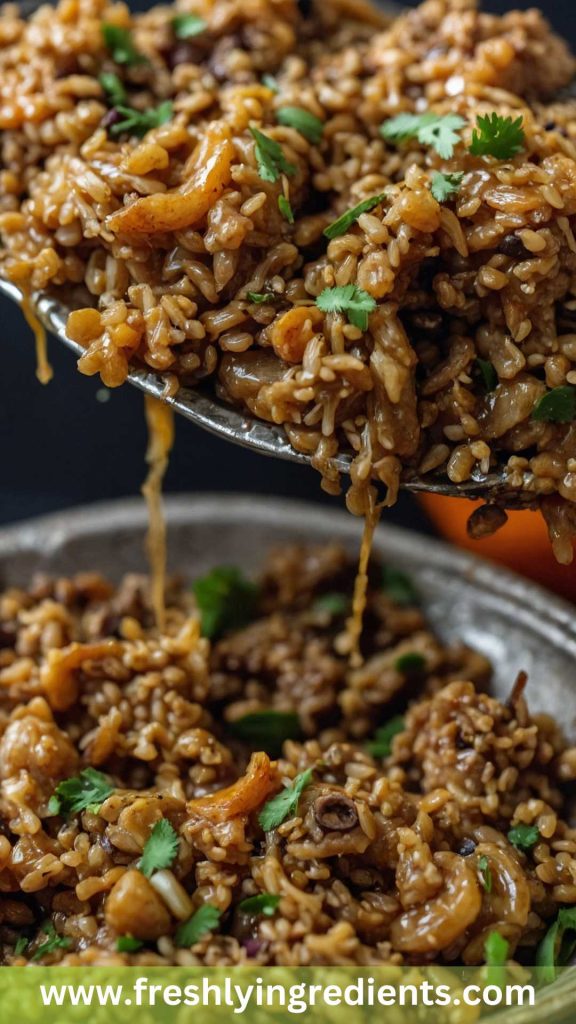
Fluff the mujaddara with a fork. Serve it warm, topped with the crispy onions and a sprinkle of fresh parsley. This is your moment—enjoy the beautiful colors and aroma as you dig in!
Tips & Tricks
Here are some tried-and-true tips for making the best mujaddara:
- Use high-quality oil: Since olive oil plays a big role in flavor, try to use extra virgin for richer taste.
- Onion caramelization is key: Be patient while cooking the onions. This step truly enhances the dish.
- Adjust seasonings: Don’t hesitate to tweak the spices based on your preference. If you enjoy warmth, add more cumin!
- Make it a full meal: Consider adding roasted vegetables or a side of grilled chicken for a heartier meal.
- Keep leftovers: Mujaddara tastes even better the next day; the flavors deepen overnight in the fridge.
Nutrition Information
Mujaddara is relatively low in calories while being nutritious. A typical serving (1 cup) contains approximately:
- Calories: 340
- Protein: 14g
- Carbohydrates: 62g
- Fat: 10g
- Fiber: 10g
This dish is an excellent source of plant-based protein, fiber, and iron.

How Can You Store This Mujaddara Recipe?
To keep your mujaddara fresh, follow these storage tips:
- Refrigerate: Place it in an airtight container and refrigerate for up to 3-4 days.
- Freeze: Mujaddara can also be frozen. Just ensure it’s in a proper freezer-safe container. It will last up to 2-3 months.
- Reheat: When you’re ready to enjoy it again, reheat in a microwave or on the stove with a sprinkle of water to prevent it from drying out.
Alternative Ingredients
Suppose you don’t have some ingredients on hand. No worries; there are always alternatives:
- Rice alternatives: Quinoa or bulgur wheat can be used in place of rice. They both offer a unique texture and flavor.
- Different lentils: If black lentils aren’t available, green or brown lentils work too. Just adjust your cooking time based on the type.
- Onion substitutes: For a milder flavor, try leeks or even shallots. They will give a sweet essence similar to traditional onions.
Conclusion
Mujaddara is not just a dish; it’s a beautiful representation of culture, tradition, and comfort. This recipe fits perfectly into any meal plan, whether a busy weeknight or a festive gathering. With its humble ingredients, it offers loaded flavors and health benefits that keep on giving.
As you immerse yourself in preparing mujaddara, you will discover
You Might Also Like These Latest Recipes!

Mujaddara – Freshly Ingredients
Description
Here’s a dish that every foodie should know about: mujaddara. Growing up in a family that embraced diverse cuisines, mujaddara was a soothing embrace on a hectic weeknight, effortlessly bringing comfort to our dinner table. Even during the most stressful times, when the day felt like a marathon, this dish was as welcoming as a hug at the finish line.
As I ventured into the culinary landscape, I realized that mujaddara is more than just a meal. It's a communal dish, a symbol of hospitality. It stems from Middle Eastern roots and has been cherished across generations. This recipe tells a story, connecting people through its rich, earthy flavors. It’s budget-friendly and packed with nutrients, making it a staple for those who love to eat well without breaking the bank.
Ingredients
Main Dish Ingredients
Crispy Onion Garnish (optional)
Instructions
-
Cooking mujaddara is a rewarding and straightforward process. Follow these steps, and you're on your way to a flavorful dish:
Step 1: Prepare the Ingredients
-
Start by gathering all your ingredients. Soak the rice in water, allowing it to soften. While that's happening, rinse the lentils thoroughly. Dicing the onions can feel tedious, but trust me; it pays off later.
Step 2: Cook the Onions
-
In a large pot, heat ¼ cup of olive oil over medium heat. When the oil shimmers, add the diced onions. Cook these beauties for about 15-20 minutes until they turn golden brown and caramelized. This process is crucial for building flavor.
Step 3: Add Lentils
-
Once the onions are caramelized, stir in the rinsed lentils. Add the bay leaf, ground coriander, and cumin. Mix everything together, ensuring the lentils absorb that delicious onion flavor.
Step 4: Introduce the Water
-
Pour in 4 cups of water and bring the mixture to a boil. Lower the heat and let it simmer for about 20-25 minutes. You'll want the lentils to be tender but not mushy.
Step 5: Cook the Rice
-
When the lentils are ready, add the drained rice. Stir well and season with salt and pepper. Cover the pot with a lid, reduce the heat to low, and let everything cook for another 15-20 minutes. The rice will absorb the flavor-packed water and meld beautifully with the lentils.
Step 6: Prepare Crispy Onions (optional)
-
If you're feeling adventurous, take another onion, slice it thin, and fry those in a bit of olive oil until crispy. This garnish adds not just flavor, but a wonderful texture contrast.
Step 7: Serve
-
Fluff the mujaddara with a fork. Serve it warm, topped with the crispy onions and a sprinkle of fresh parsley. This is your moment—enjoy the beautiful colors and aroma as you dig in!
Nutrition Facts
Servings 6
- Amount Per Serving
- Calories 340kcal
- % Daily Value *
- Total Fat 10g16%
- Total Carbohydrate 62g21%
- Dietary Fiber 10g40%
- Protein 14g29%
* Percent Daily Values are based on a 2,000 calorie diet. Your daily value may be higher or lower depending on your calorie needs.
Note
Here are some tried-and-true tips for making the best mujaddara:
- Use high-quality oil: Since olive oil plays a big role in flavor, try to use extra virgin for richer taste.
- Onion caramelization is key: Be patient while cooking the onions. This step truly enhances the dish.
- Adjust seasonings: Don’t hesitate to tweak the spices based on your preference. If you enjoy warmth, add more cumin!
- Make it a full meal: Consider adding roasted vegetables or a side of grilled chicken for a heartier meal.
- Keep leftovers: Mujaddara tastes even better the next day; the flavors deepen overnight in the fridge.