Before we dive into the art of cooking perfect brown rice, let’s ponder the delightful dishes you can pair with it. Brown rice’s nutty flavor and chewy texture create a fantastic canvas for a variety of meals. Consider these:
- Stir-Fries: The versatility of brown rice complements nearly any stir-fried dish. Toss some seasonal vegetables and your choice of protein in soy sauce or teriyaki.
- Curry: Hearty curries—like chickpea or vegetable—pair beautifully. The rice acts as a sponge for the bold, aromatic flavors.
- Salads: A cold brown rice salad can be a refreshing side. Combine it with black beans, corn, avocado, and a zesty cilantro dressing for a colorful dish.
- Grilled Meat or Fish: The nutty undertones of brown rice balance rich, smoky flavors well. Serve it alongside grilled chicken or salmon.
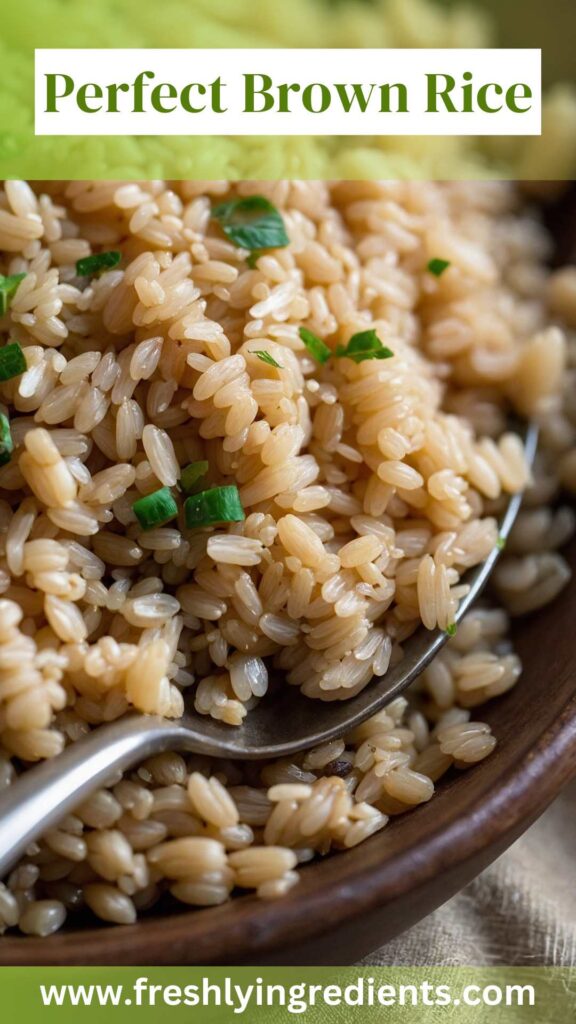
Ah, brown rice! A humble grain that often gets overshadowed by its white counterpart. Yet, anyone who has experienced that delightful chewiness, that earthy flavor, knows its worth. On my journey through the world of healthy eating, I discovered that brown rice can be the star player in countless dishes. Cooking it right, though, makes all the difference.
In this blog, I’ll share my perfect brown rice recipe, armed with tried and tested techniques. Plus, I promise a few fun stories and valuable insights along the way. By the end, you’ll not only know how to cook brown rice but also why it works so beautifully in so many recipes.
You Might Also Like These Recipes!
- Roasted Carrot Soup
- Vegetarian Stuffed Peppers
- Favourite Green Salad with apples, cranberries, and pepitas Recipe
What is Perfect Brown Rice Recipe?
The perfect brown rice recipe I swear by yields fluffy, tender grains, each a little jewel in its own right. This method draws on simple ingredients—some water and rice—enhanced by careful technique rather than any secret magic. Once you master it, you’ll see why I call it the “perfect” recipe.
Why This Recipe Works?
So, what’s the secret sauce, you might ask? There’s no magic. Just a few fundamental steps make all the difference, including:
- Proper Water Ratio: Finding the right water-to-rice ratio is crucial. Too much water can lead to mush, too little can leave you with hard grains.
- Quality Ingredients: Fresh rice makes for a better meal. Old rice can be dry and take longer to cook properly.
- Soaking: Pre-soaking the rice helps to soften the grains, allowing for a quicker cooking time and a more even texture.
What You’ll Need to Make This Dish?
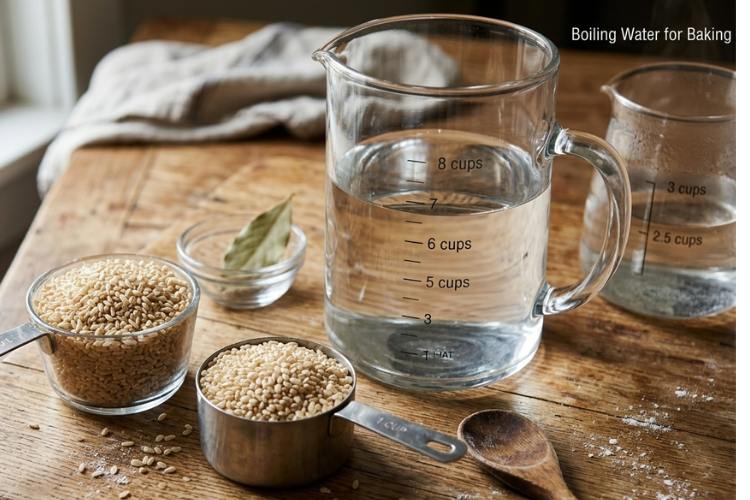
Here’s a list of the essentials for achieving perfect brown rice:
- 1 cup of medium or long-grain brown rice (basmati works wonders too).
- 8 cups of fresh water for boiling (don’t worry, you won’t use all of it).
- 1 small bay leaf (optional but really enhances flavor).
- 2 ½ cups of boiling water for baking (more about that later).
- 1 ½ cups of short-grain brown rice.
How to Make Perfect Brown Rice Recipe?
Cooking brown rice is straightforward. It just requires attention at certain stages. Let’s break it down into detailed steps.
Step 1: Rinse the Rice
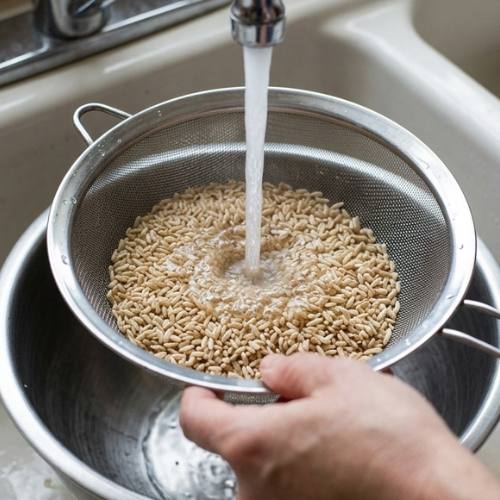
Start by rinsing your brown rice under cold water. This removes any surface starch and prevents it from becoming gummy. A few minutes under running water will suffice.
Step 2: Soak the Rice
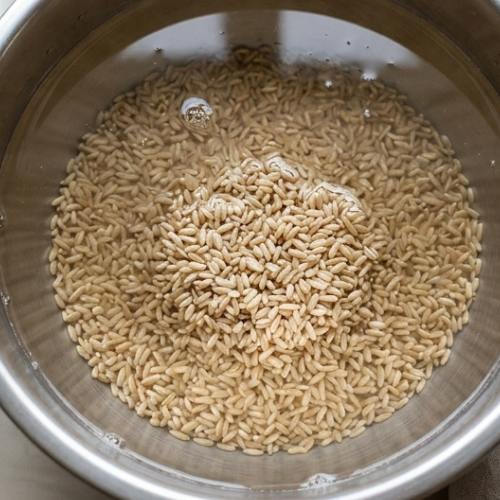
Once rinsed, soak the rice in water for about 30 minutes. This enables the grains to absorb some water, leading to a softer texture.
Step 3: Boil the Water
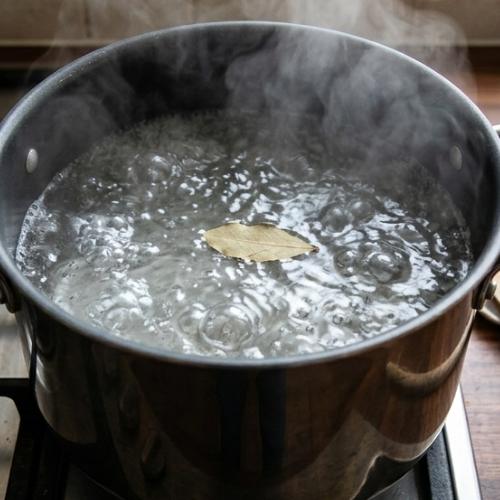
In a large pot, bring 8 cups of water to a rolling boil. Adding a small bay leaf now can enhance the flavor while it cooks, but it’s entirely optional.
Step 4: Add the Rice
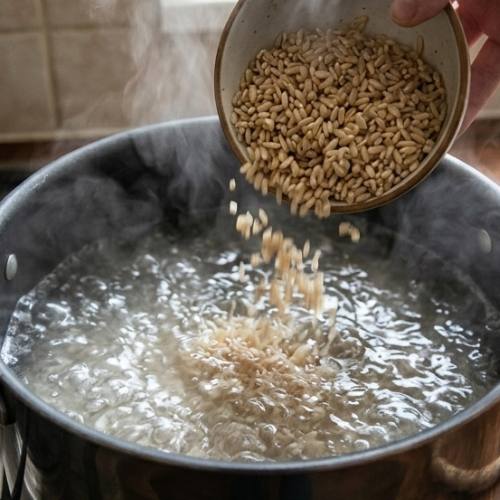
Once your water is boiling, carefully add the soaked brown rice. Stir it once to prevent sticking. Let the water return to a boil.
Step 5: Cook the Rice
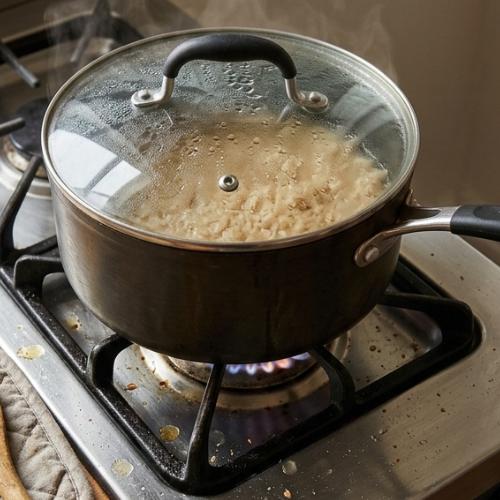
Once boiling, reduce the heat to a low simmer. Cover with a lid and let it cook for about 40 minutes. Don’t lift the lid during this time; that steam is key to fluffy rice!
Step 6: Drain and Steamed
After 40 minutes, check the rice. If it’s tender and most of the liquid is absorbed, it’s ready to go. If not, give it a few more minutes. Once done, drain any excess water and cover the rice with a towel for an additional 10 minutes. This absorbs the remaining moisture and keeps it fluffy.
Step 7: Fluff and Serve
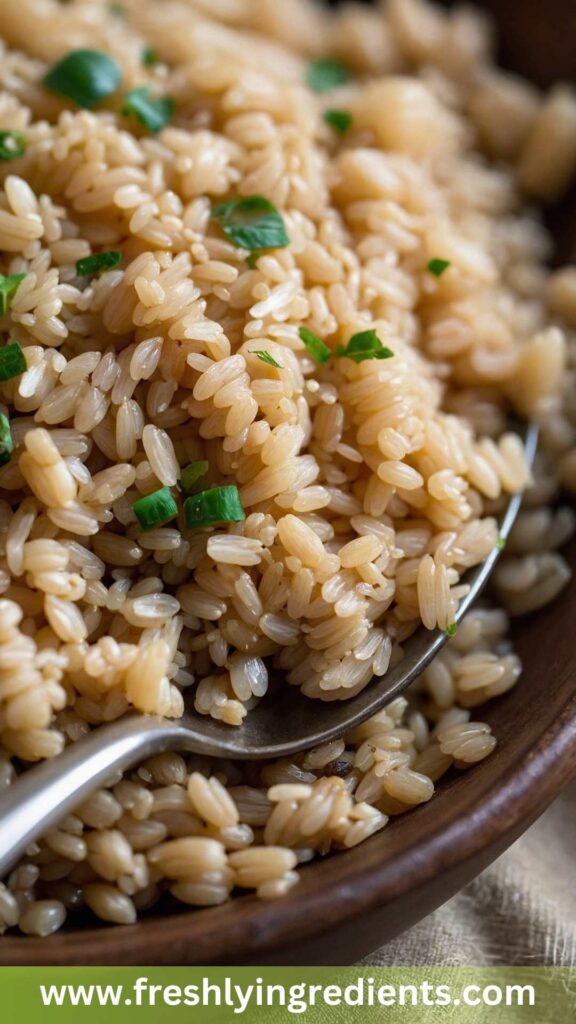
Use a fork to fluff the rice gently. Now, it’s ready to pair with your favorite dishes!
Tips for Perfect Brown Rice
- Use Quality Rice: Fresh rice cooks better. Be mindful of the expiration date.
- Watch Your Water Ratio: Too much water will make mushy rice, too little will leave you with crunchy bits. Stick to the 2:1 ratio of water to rice if you’re adjusting.
- Flavor It Up: By adding herbs or spices to the boiling water, you can infuse your rice with subtle flavors.
- Experiment With Cooking Methods: If boiling isn’t your style, you can bake rice. It requires less attention.
- Don’t Rush the Process: Be patient in the cooking and resting phases to ensure that you achieve perfect texture.
How to Store Leftovers?
If you find yourself with leftover brown rice (a rarity, if you ask me!), it’s easy to store. Allow the rice to cool completely before transferring it to an airtight container. It can stay in your fridge for about four to five days.
Nutrition Information
Brown rice is a powerhouse of nutrients. Here’s a quick overview per cooked cup:
- Calories: Approximately 216
- Protein: 5 grams
- Fiber: 3.5 grams
- Carbs: 45 grams
- Fat: 1.6 grams
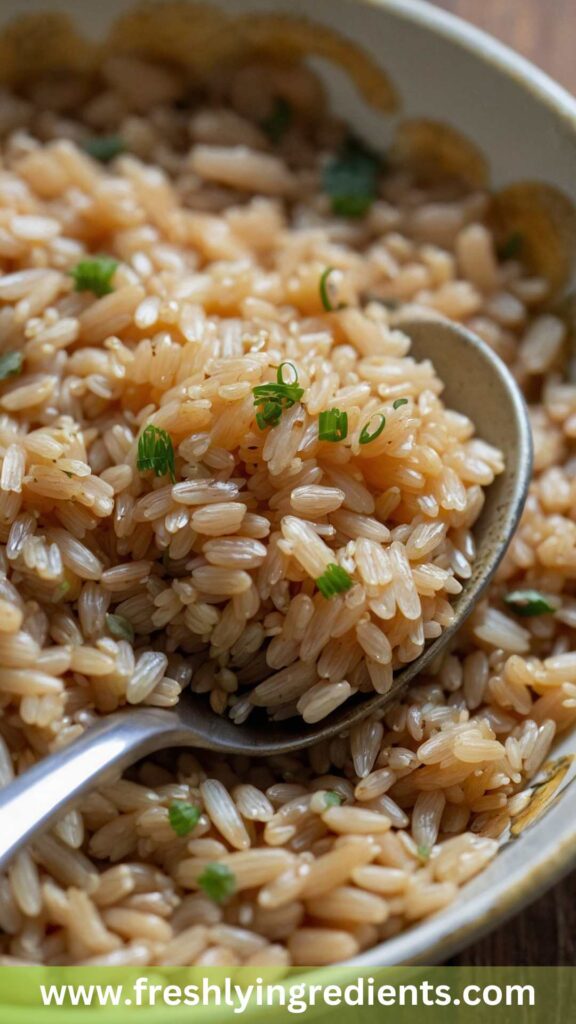
How Would I Recommend Serving Perfect Brown Rice Recipe?
Once you have your perfect brown rice ready, here are four delightful serving suggestions:
- With Stir-Fried Veggies: Mix the fluffy rice with sautéed veggies like bell peppers, onions, and snap peas. Drizzle with soy sauce for a quick meal.
- In a Buddha Bowl: Layer your rice with assorted toppings—like roasted chickpeas, avocado, greens, and a tahini drizzle. It’s not just a meal; it’s a work of art!
- As a Side to Grilled Meat: Serve it alongside grilled or roasted meats. The nutty flavor will complement the smokiness beautifully.
- In a Soup: Take your brown rice to the next level by adding it to a hearty soup. It’s perfect in minestrone or chicken soup, adding texture and nutrients.
What Alternatives Can You Use for the Ingredients if Not Available?
Sometimes you may find yourself in a pinch. Here are some handy substitutions:
- Rice: Quinoa is a great substitute. It carries similar nutrients and offers a slightly different texture.
- Bay Leaf: If unavailable, thyme or parsley stems can add a lovely flavor to your cooking water.
- Water: You can substitute broth for water when boiling rice for added taste. Chicken or vegetable broth enhances flavor quite well.
- Cooking Method: If you prefer, steaming is an excellent alternative. Just place the rinsed rice in a steamer basket over boiling water and cover.
Conclusion
Cooking the perfect brown rice transforms a simple grain into a versatile meal base. With a reliable method, even the most skeptical diners will appreciate its nutritious profile. You’ve learned to rinse, soak, boil, and bake with flavor in mind. With these techniques, brown rice can easily become a kitchen staple in your home.
As you play with flavors and pairings, remember that this is just the beginning of your brown rice adventure. Enjoy what you create—and don’t hesitate to share your culinary experiments with friends. Cooking is just as much about the joy of sharing as the act itself. So, grab that bag of brown rice, roll up your sleeves, and get cooking!
You Might Also Like These Latest Recipes!

Perfect Brown Rice – Freshly Ingredients
Description
Ah, brown rice! A humble grain that often gets overshadowed by its white counterpart. Yet, anyone who has experienced that delightful chewiness, that earthy flavor, knows its worth. On my journey through the world of healthy eating, I discovered that brown rice can be the star player in countless dishes. Cooking it right, though, makes all the difference.
In this blog, I'll share my perfect brown rice recipe, armed with tried and tested techniques. Plus, I promise a few fun stories and valuable insights along the way. By the end, you'll not only know how to cook brown rice but also why it works so beautifully in so many recipes.
Ingredients
Instructions
-
Cooking brown rice is straightforward. It just requires attention at certain stages. Let’s break it down into detailed steps.
Step 1: Rinse the Rice
-
Start by rinsing your brown rice under cold water. This removes any surface starch and prevents it from becoming gummy. A few minutes under running water will suffice.
Step 2: Soak the Rice
-
Once rinsed, soak the rice in water for about 30 minutes. This enables the grains to absorb some water, leading to a softer texture.
Step 3: Boil the Water
-
In a large pot, bring 8 cups of water to a rolling boil. Adding a small bay leaf now can enhance the flavor while it cooks, but it's entirely optional.
Step 4: Add the Rice
-
Once your water is boiling, carefully add the soaked brown rice. Stir it once to prevent sticking. Let the water return to a boil.
Step 5: Cook the Rice
-
Once boiling, reduce the heat to a low simmer. Cover with a lid and let it cook for about 40 minutes. Don’t lift the lid during this time; that steam is key to fluffy rice!
Step 6: Drain and Steamed
-
After 40 minutes, check the rice. If it’s tender and most of the liquid is absorbed, it’s ready to go. If not, give it a few more minutes. Once done, drain any excess water and cover the rice with a towel for an additional 10 minutes. This absorbs the remaining moisture and keeps it fluffy.
Step 7: Fluff and Serve
-
Use a fork to fluff the rice gently. Now, it’s ready to pair with your favorite dishes!
Nutrition Facts
Servings 3
- Amount Per Serving
- Calories 216kcal
- % Daily Value *
- Total Fat 1.6g3%
- Total Carbohydrate 45g15%
- Dietary Fiber 3.5g15%
- Protein 5g10%
* Percent Daily Values are based on a 2,000 calorie diet. Your daily value may be higher or lower depending on your calorie needs.
Note
- Use Quality Rice: Fresh rice cooks better. Be mindful of the expiration date.
- Watch Your Water Ratio: Too much water will make mushy rice, too little will leave you with crunchy bits. Stick to the 2:1 ratio of water to rice if you're adjusting.
- Flavor It Up: By adding herbs or spices to the boiling water, you can infuse your rice with subtle flavors.
- Experiment With Cooking Methods: If boiling isn't your style, you can bake rice. It requires less attention.
Don’t Rush the Process: Be patient in the cooking and resting phases to ensure that you achieve perfect texture.