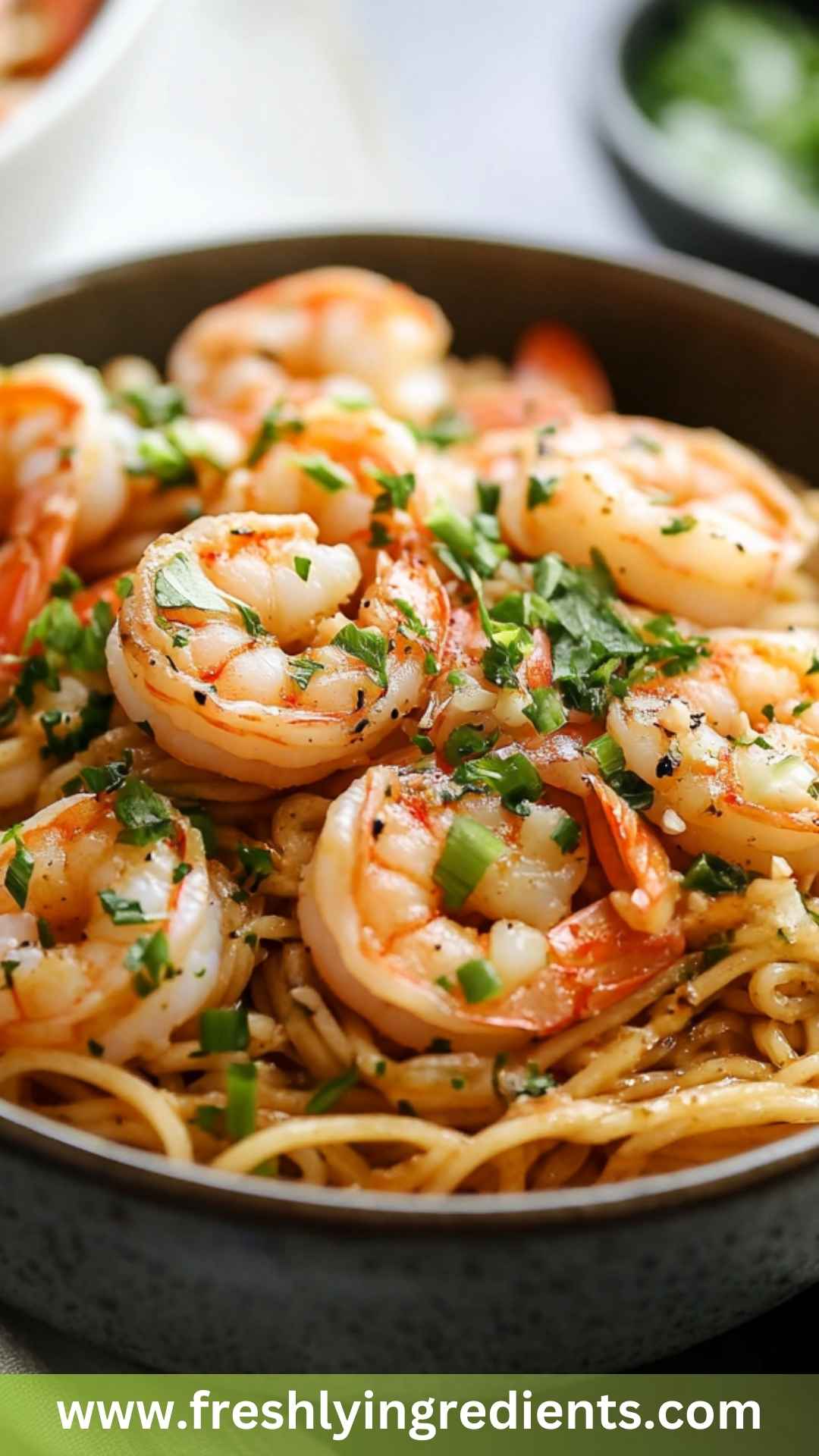
When serving shrimp noodles, it's all about pairing fresh, vibrant sides that complement the light yet flavorful dish. Steamed broccoli or sautéed spinach work wonderfully, providing a balance with their freshness and a mild earthy flavor. For a bit of crunch, crispy spring rolls or a fresh side salad can add texture and a satisfying bite.
In terms of beverages, a chilled glass of white wine, such as Sauvignon Blanc, is a perfect match for shrimp, enhancing its delicate flavors. If you’re looking for something non-alcoholic, sparkling water with a splash of lemon or lime offers a refreshing contrast.
To finish, garnishes like chopped cilantro or a sprinkle of chili flakes can add a touch of heat and aromatic depth, rounding out your shrimp noodles experience with an extra burst of flavor.
What are Shrimp Noodles?
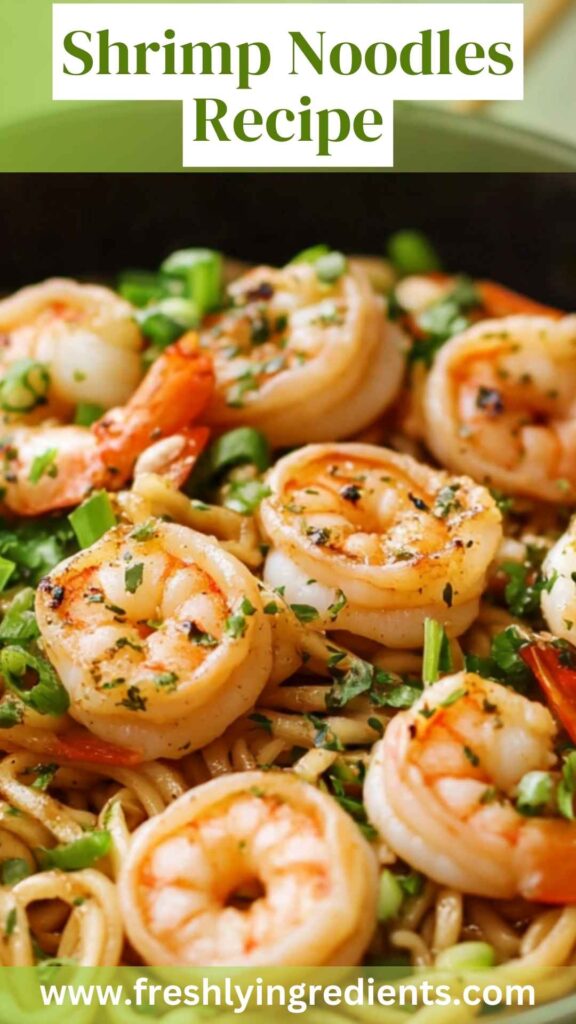
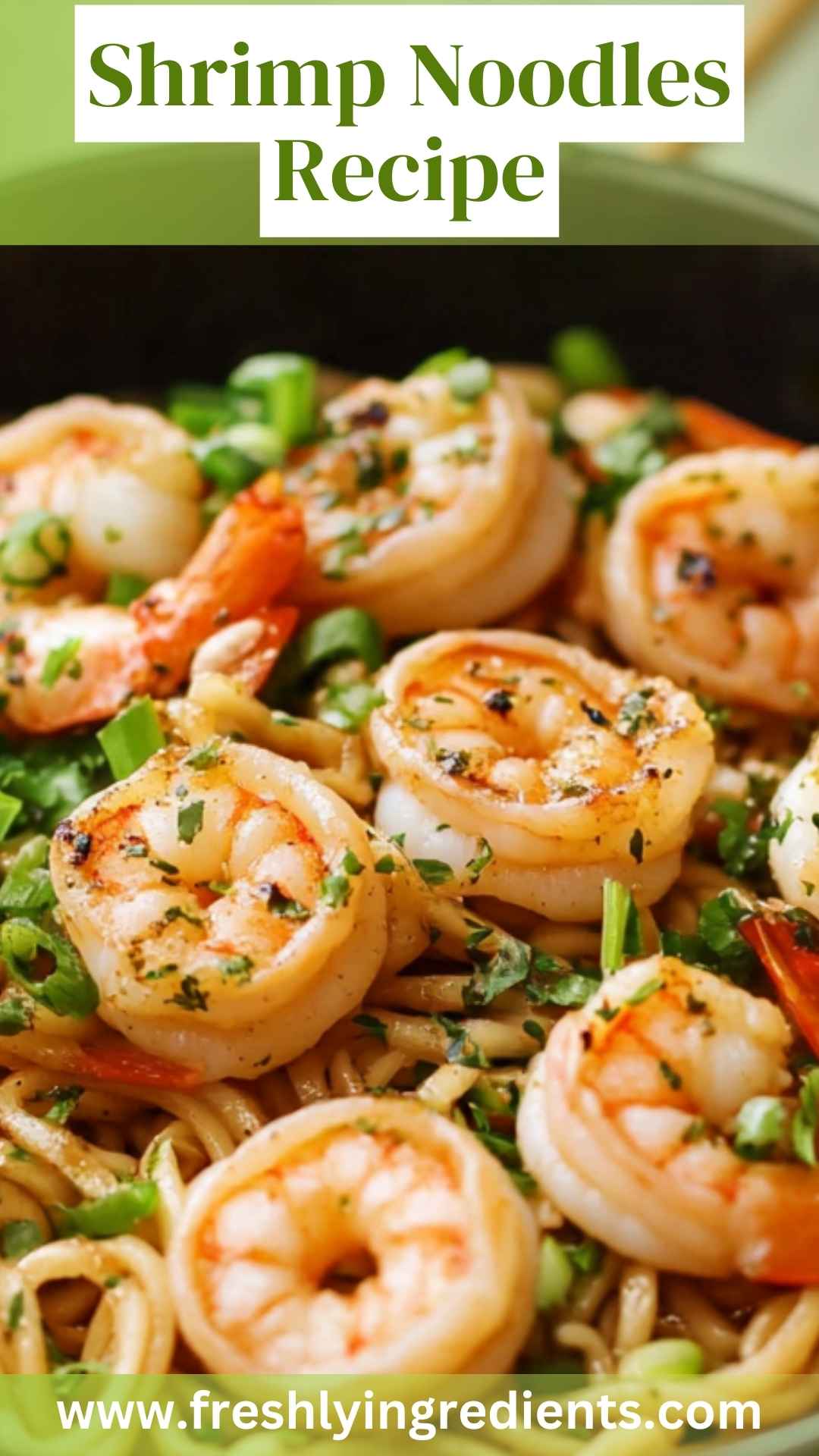
Shrimp noodles can be described as a delightful blend of succulent shrimp and noodles, usually flavored with a medley of seasonings and sauces. It's not just a simple shrimp dish; it orchestrates a vibrant mix of tastes and textures.
Typically, you’ll find this dish featuring any type of noodle. But I lean towards spaghetti or rice noodles for their unique properties, making each bite special.
Their roots stretch across various cuisines, from Asian stir-fries to Italian-inspired dishes. Each variation tells a story of its heritage. The beauty of shrimp noodles is in their adaptability—they can be quick weeknight dinners or dressed up for a fancy gathering.
What is the Flavor Profile of this Dish?
The flavor profile of shrimp noodles is like a dance of contrasting yet harmonious elements. The umami from the shrimp combines with the slight sweetness of brown sugar, while the saltiness from soy sauce brings everything together.
If you’re a fan of garlic, like I am, you’ll appreciate the boldness it imparts.
Each ingredient enhances the other:
Shrimp: Brings a briny sweetness.
Garlic and Ginger: Provide warmth and zing.
Soy Sauce and Fish Sauce: Add depth, making each bite vibrant.
In essence, you’re looking at a flavor explosion in your mouth. The moment you take your first bite, you recognize there's a little bit of love mixed into this dish.
What Makes This Recipe Different from Other Shrimp Noodles?
Now, there are plenty of shrimp noodle recipes out there, but mine stands out. The use of freshly grated ginger takes the flavor to new heights.
While many recipes rely on pre-packaged sauces, this one uses a blend of sauces crafted with care to provide depth without overpowering the shrimp's natural flavors.
The addition of brown sugar balances out the salty components seamlessly. Plus, we’re incorporating the pasta cooking water at the end. This simple step creates a silky sauce that clings to every noodle.
Each ingredient serves a purpose, making this dish not just a meal but a way to experience and enjoy culinary arts at home.
Ingredients You'll Need
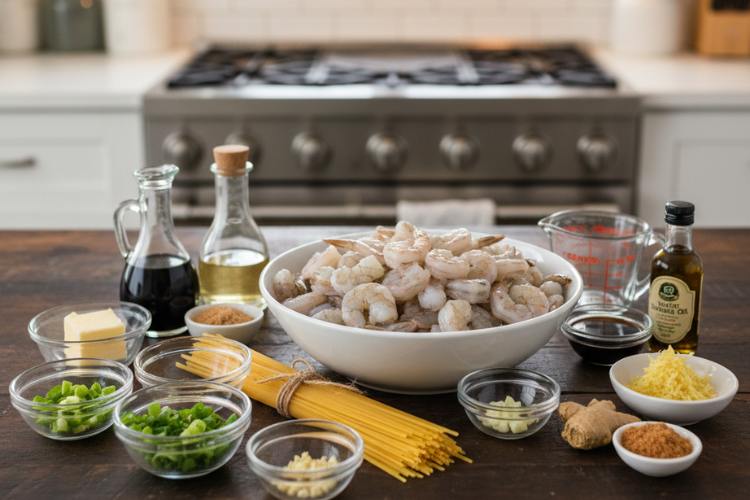
You’ll want to gather these fresh ingredients before diving into the cooking process:
1 lb uncooked shrimp
8 oz spaghetti noodles
1 tbsp salted butter
4-5 cloves garlic, finely chopped
1/4 cup sliced green onions
1 tsp freshly grated ginger
1 tbsp fish sauce
2 tbsp oyster-flavored sauce
1 tbsp soy sauce
2 tsp brown sugar
1 tsp toasted sesame oil
1/4 cup reserved pasta cooking water
Step by Step Directions
Step 1: Prepare the Shrimp
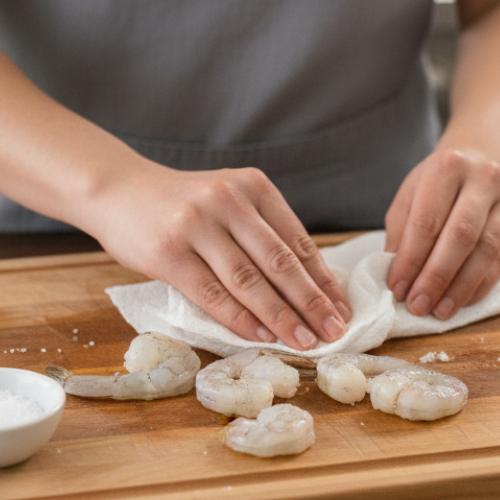
First, rinse your shrimp under cold water if they are frozen. Pat them dry with paper towels. This step ensures that they cook properly without steaming. You can also season them lightly with some salt and lemon juice.
Step 2: Cook the Spaghetti Noodles
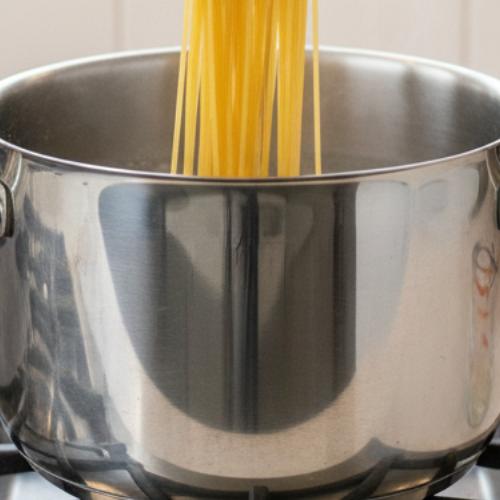
In a large pot, bring salted water to a boil. Once boiling, toss in your spaghetti noodles. Cook according to the package instructions until al dente. Usually, it takes about 8-10 minutes.
Once cooked, drain the noodles but do not forget to reserve about 1/4 cup of the cooking water. This water is golden and now holds the magic that will help create a luscious sauce later.
Step 3: Sauté the Aromatics
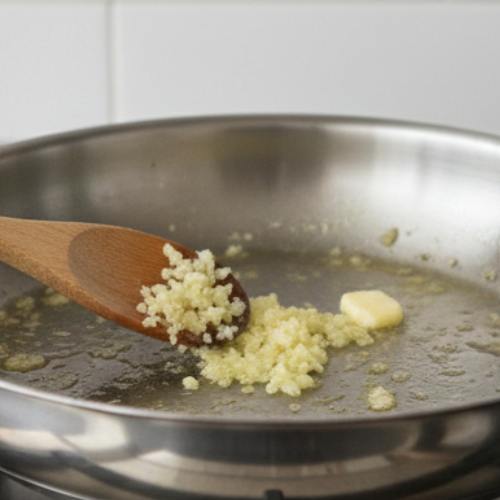
In a large skillet, melt the butter over medium heat. Once melted, toss in the finely chopped garlic and ginger. Sauté for about a minute until fragrant. Be careful not to let them burn; we want warm aromas, not bitterness.
Step 4: Add Shrimp
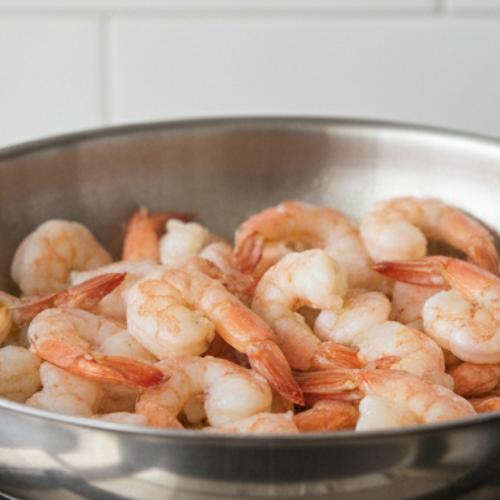
Now, bring your star ingredient into the mix. Add the shrimp to the skillet. Stir them around continuously until they turn pink and opaque. This should take around 3-4 minutes. The key is not to overcook them. You want them to remain juicy.
Step 5: Add Sauces
Once your shrimp is cooked, add the fish sauce, oyster sauce, soy sauce, and brown sugar. Stir everything together, allowing the shrimp to absorb the flavors. Could you feel that? The kitchen should smell heavenly by now.
Step 6: Combine with Noodles
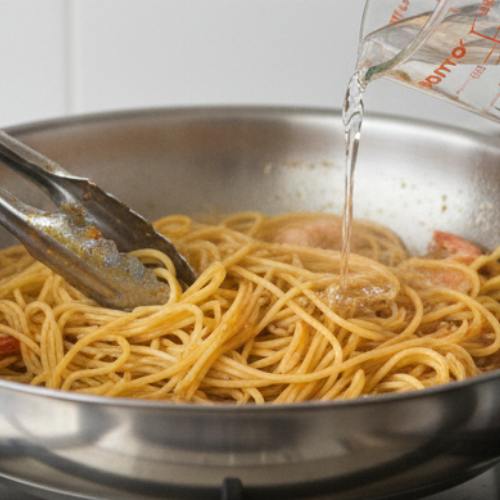
Next, toss in your cooked spaghetti noodles. As you mix, add the reserved cooking water one splash at a time. Keep stirring until everything is evenly coated. If it feels a bit dry, add more pasta water.
Step 7: Garnish and Serve
Finally, sprinkle the sliced green onions and drizzle the toasted sesame oil over the dish. Do one last toss to combine. Serve hot and watch everyone come running for this meal.
Tips on Making Shrimp Noodles
Here are a few handy tips to up your shrimp noodle game:
Use fresh shrimp: If possible, fresh shrimp will taste better than frozen. They tend to soak in flavors more effectively.
Don’t rush the garlic: Cook it just until fragrant. Overcooking can create bitterness.
Reserve pasta water: Always set aside some pasta water; it’s a game-changer for sauce consistency.
Experiment with veggies: Adding bell peppers or snap peas can provide additional crunch and nutrients.
Adjust the spice level: If you're into heat, consider adding some crushed red pepper flakes. Go easy if you prefer milder dishes.
How Can I Store These Shrimp Noodles?
If you have leftovers (if is a big if), store them in an airtight container in the fridge. They'll keep well for up to three days. To reheat, a quick stir in the microwave or over medium heat in a skillet will suffice. Adding a splash of water can help revive the noodles and prevent them from becoming rubbery.
What If the Items Aren’t Available in My Kitchen?
Don’t panic! If you're missing something from the list, here are some substitutes:
Shrimp: Cooked chicken or tofu can serve as excellent alternatives for protein.
Noodles: Rice noodles or quinoa can easily replace spaghetti for a gluten-free version.
Fish Sauce: Soy sauce with a squeeze of lime can mimic the salty and tangy flavor profile.
Oyster Sauce: Sesame paste or hoisin sauce can provide a different but still satisfying taste.
Conclusion
Shrimp noodles should take a spot in your recipe collection. With a delightful flavor profile and easy cooking method, it’s hard to resist. From gathering ingredients to plating, each step offers a chance to create something delicious.
Whether it's for a cozy weeknight or a gathering with friends, these shrimp noodles will impress. As a food blogger and dietitian, it brings me joy to share this dish with you.
Dive in, enjoy the process, and most importantly, savor each bite. Your taste buds—and your guests—will thank you!
Imagine sitting down at a table, the aroma of garlic and shrimp dancing in the air, tantalizing your senses. This is what shrimp noodles promise. The dish is more than just a meal; it’s an experience filled with textures and flavors that will have you dreaming about it for days.
If you’ve ever been curious about how to create this dish at home, you’re in for a treat. Trust me, after learning how to make shrimp noodles, you won't want to go back to store-bought options.
With a background in nutrition as a registered dietitian, I’ve spent years experimenting in the kitchen. My goal has always been to combine health with deliciousness.
I assure you, this shrimp noodles recipe does just that. By the end of this post, you’ll be armed with knowledge and skills that will impress your family and friends.
Ingredients
1lb uncooked shrimp
8oz spaghetti noodles
1tbsp salted butter
4cloves 4-5 garlic, finely chopped
1/4cup sliced green onions
1tsp freshly grated ginger
1tbsp fish sauce
2tbsp oyster-flavored sauce
1tbsp soy sauce
2tsp brown sugar
1tsp toasted sesame oil
1/4cup reserved pasta cooking water
Instructions
Step 1: Prepare the Shrimp
1
First, rinse your shrimp under cold water if they are frozen. Pat them dry with paper towels. This step ensures that they cook properly without steaming. You can also season them lightly with some salt and lemon juice.
Step 2: Cook the Spaghetti Noodles
2
In a large pot, bring salted water to a boil. Once boiling, toss in your spaghetti noodles. Cook according to the package instructions until al dente. Usually, it takes about 8-10 minutes.
Once cooked, drain the noodles but do not forget to reserve about 1/4 cup of the cooking water. This water is golden and now holds the magic that will help create a luscious sauce later.
Step 3: Sauté the Aromatics
3
In a large skillet, melt the butter over medium heat. Once melted, toss in the finely chopped garlic and ginger. Sauté for about a minute until fragrant. Be careful not to let them burn; we want warm aromas, not bitterness.
Step 4: Add Shrimp
4
Now, bring your star ingredient into the mix. Add the shrimp to the skillet. Stir them around continuously until they turn pink and opaque. This should take around 3-4 minutes. The key is not to overcook them. You want them to remain juicy.
Step 5: Add Sauces
5
Once your shrimp is cooked, add the fish sauce, oyster sauce, soy sauce, and brown sugar. Stir everything together, allowing the shrimp to absorb the flavors. Could you feel that? The kitchen should smell heavenly by now.
Step 6: Combine with Noodles
6
Next, toss in your cooked spaghetti noodles. As you mix, add the reserved cooking water one splash at a time. Keep stirring until everything is evenly coated. If it feels a bit dry, add more pasta water.
Step 7: Garnish and Serve
7
Finally, sprinkle the sliced green onions and drizzle the toasted sesame oil over the dish. Do one last toss to combine. Serve hot and watch everyone come running for this meal.
Nutrition Facts
Servings 4
Amount Per Serving
Calories341kcal
% Daily Value *
Total Fat8.9g14%
Saturated Fat2.3g12%
Cholesterol291mg97%
Sodium2277mg95%
Total Carbohydrate36g12%
Dietary Fiber5g20%
Sugars6g
Protein29g58%
* Percent Daily Values are based on a 2,000 calorie diet. Your daily value may be higher or lower depending on your calorie needs.
Note
Use fresh shrimp: If possible, fresh shrimp will taste better than frozen. They tend to soak in flavors more effectively.
Don’t rush the garlic: Cook it just until fragrant. Overcooking can create bitterness.
Reserve pasta water: Always set aside some pasta water; it’s a game-changer for sauce consistency.
Experiment with veggies: Adding bell peppers or snap peas can provide additional crunch and nutrients.
Adjust the spice level: If you're into heat, consider adding some crushed red pepper flakes. Go easy if you prefer milder dishes.
Charlotte Shapiro is a registered dietitian and the author of Freshly Ingredients, a blog dedicated to easy, nutritious, and flavorful recipes. Based in Alaska, Charlotte draws inspiration from local ingredients and diverse cuisines to create balanced meals that are simple to prepare. With a passion for making healthy eating accessible, she shares practical tips and recipes that fit into busy lifestyles. Through her blog, Charlotte aims to empower readers to enjoy wholesome, home-cooked meals without the hassle.