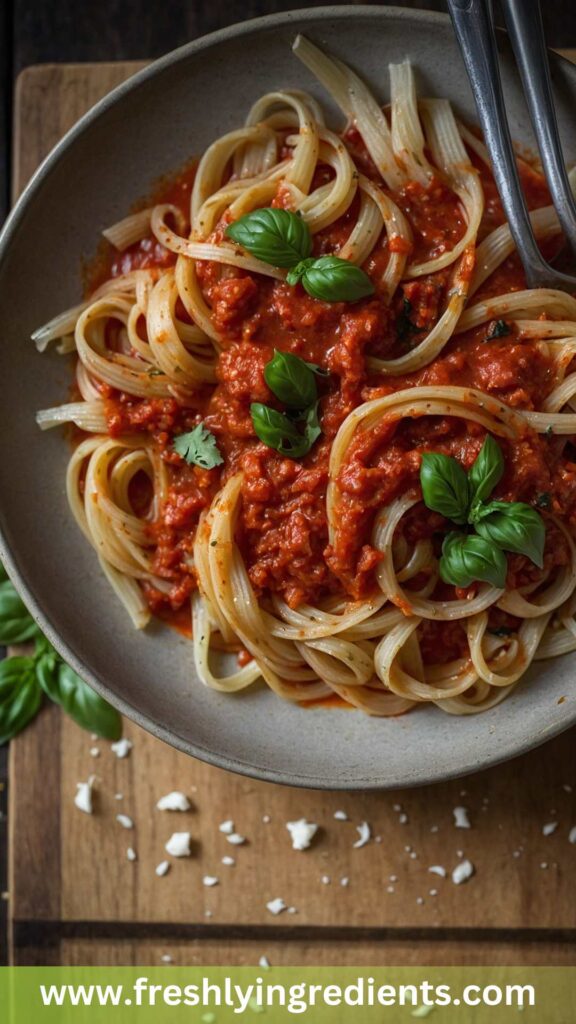
Before plunging into the details of crafting a delicious Simple Marinara Sauce, let’s chat about what to enjoy it with. The versatility of marinara is a culinary treasure. You can pair it with spaghetti, penne, or even zoodles (zucchini noodles).
It’s great to drench meatballs or use it as a pizza base. One of my favorite pairings is with eggplant parmesan. The sauce cuts through the richness of the cheese and eggplant beautifully.
Let’s not forget about the classic use of marinara for dipping! Think crusty breadsticks and deep-fried mozzarella sticks.
And if you want to take your snack game to the next level, just imagine sinking shrimp or crab cakes into that zesty sauce. Scrumptious!
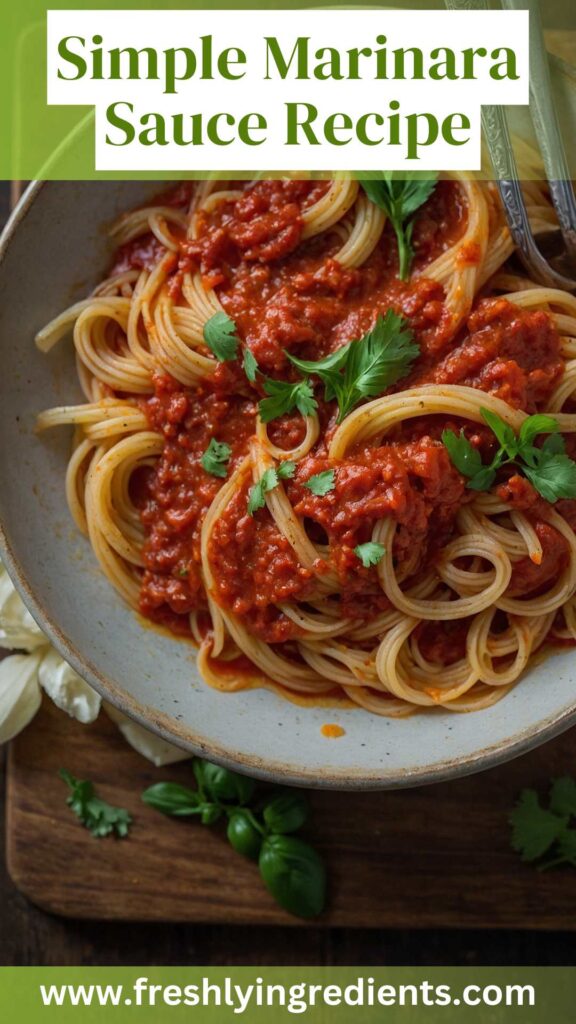
I remember the first time I tried my hand at marinara sauce. I was in my small college kitchen, fueled by a hunger for something hearty yet easy. I had just watched an Italian cooking show, and the host made it look so effortless.
I thought, “How hard could it be?” Little did I know, I was about to embark on a flavorful journey!
Marinara sauce is foundational in Italian cuisine, found in many variations. It’s a dish that warms the heart and fills the belly.
With just a few ingredients, you can create something special. My Simple Marinara Sauce recipe is straightforward, packed with flavor, and can be the star of the show or play a supporting role.
You Might Also Like These Recipes!
What is Simple Marinara Sauce?
Simple marinara sauce is a traditional Italian tomato sauce made primarily from tomatoes, garlic, and herbs. Its beauty lies in its simplicity. A rich, deeply flavored sauce can be achieved with minimal ingredients.
Typically, it’s used to dress pasta, but its uses extend far beyond. This classic sauce hails from Naples, where fresh ingredients shine, and the flavors can speak for themselves.
What Makes This Recipe Different from Other Simple Marinara Sauce?
You might be wondering what sets my recipe apart from the myriad of marinara sauce varieties out there. The secret lies in a few subtle ingredients and a straightforward cooking method.
My approach highlights the naturally sweet flavor of tomatoes, complemented by grated carrot for sweetness and a touch of balsamic vinegar for depth. Plus, I don’t just dump everything in a pot; instead, there’s a bit of technique involved. This method elevates the taste simplicity.
While many recipes tend to use canned tomatoes, I’m a staunch believer in the power of whole peeled plum tomatoes.
They retain moisture better and provide a richer flavor when cooked down. And let’s not forget about the garlic, which I don’t mince but leave whole. This ensures a mild, sweet garlic flavor that won’t overpower the sauce.
How Does It Taste?
Picture this: you take a bite of your favorite pasta; it’s coated in a shiny red sauce that glistens in the light. As you savor the first taste, the flavors of ripe tomatoes wash over your tongue, mingled with a lovely herbal fragrance.
You can detect hints of garlic, but nothing too aggressive. That subtle sweetness from the carrot rounds everything out. When paired with fresh basil and a sprinkle of cheese, that’s magic on a plate.
Ingredients You’ll Need to Make This Dish
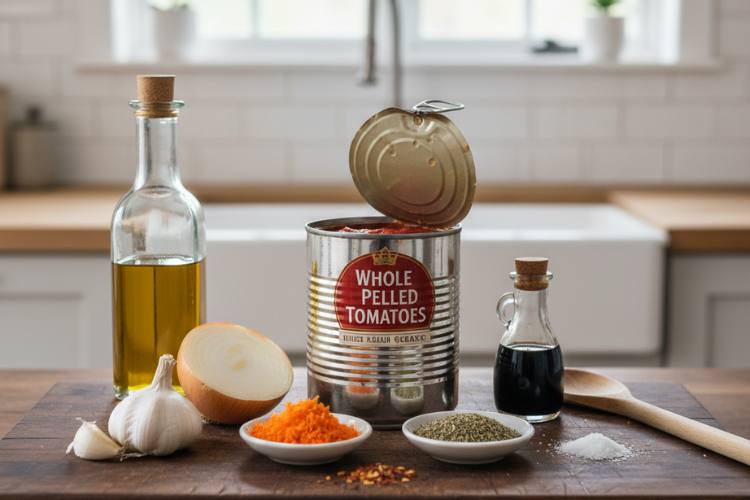
- 2 tablespoons extra-virgin olive oil
- 1 medium yellow onion, peeled and halved
- 2 large garlic cloves, peeled and left whole
- 1 large can (28 ounces) whole peeled plum tomatoes
- 1 small carrot, finely grated
- 1 teaspoon dried Italian oregano
- Pinch of crushed red chili flakes
- Salt, to taste
- 1 teaspoon balsamic vinegar
For serving:
- Cooked pasta
- Grated Parmesan cheese or vegan Parmesan
- Chopped fresh basil
- Extra olive oil drizzle
Step by Step Instructions
Step 1: Prep Your Ingredients
Start with clean, fresh ingredients. It’s about setting the stage. Peel and halve the onion. Keep the garlic bulbs whole, and finely grate that small carrot. This prep may seem trivial, but it smooths the cooking process.
Step 2: Sauté the Aromatics
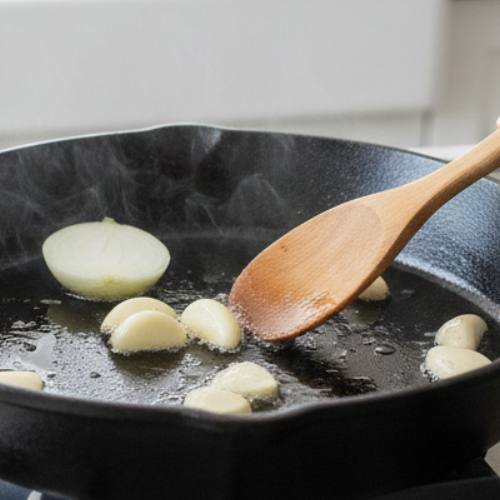
In a large skillet, heat the extra-virgin olive oil over medium heat. Toss in the halved onion, letting it sweat for about 5 minutes until it becomes translucent. This draws out its natural sweetness.
Next, add those whole garlic cloves. Sauté for another minute until they become fragrant but take care not to brown them.
Step 3: Add the Tomatoes
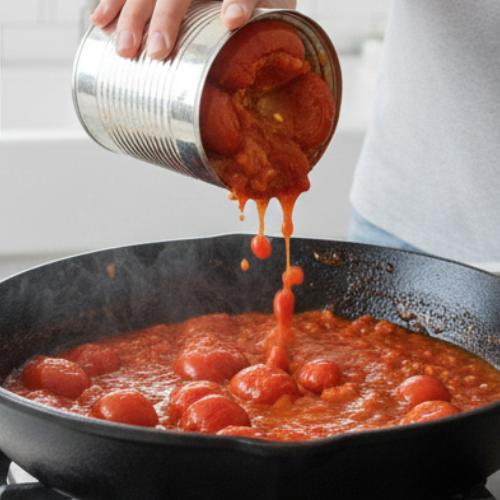
Now, it’s time to bring in the heavyweights—your whole peeled tomatoes. I usually crush them by hand as I introduce them into the skillet. This gives texture to the sauce. Scrape up any bits stuck to the bottom of the pan; that’s where flavor lurks!
Step 4: Mix in the Extras
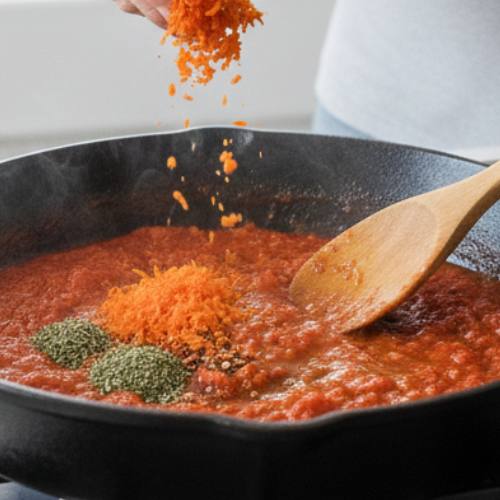
Next, add the grated carrot, dried Italian oregano, and red chili flakes. Sprinkle in salt to taste. Stir everything together, bringing the flavors to unite. Let it simmer gently.
Step 5: Let It Simmer
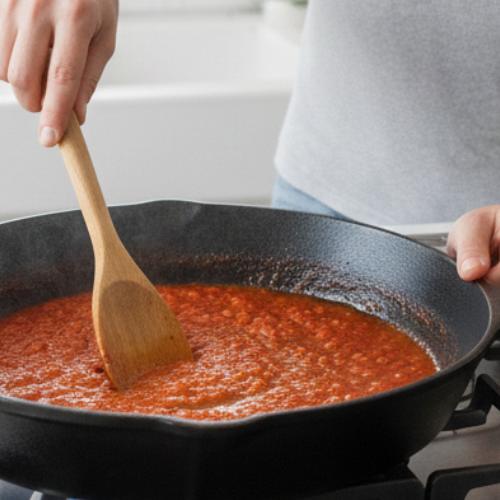
Lower the heat and allow the sauce to simmer for at least 20-30 minutes. This slow cooking breaks down the tomatoes and strengthens the overall flavor. Stir occasionally, and don’t hesitate to taste it along the way.
Step 6: Finish with Balsamic
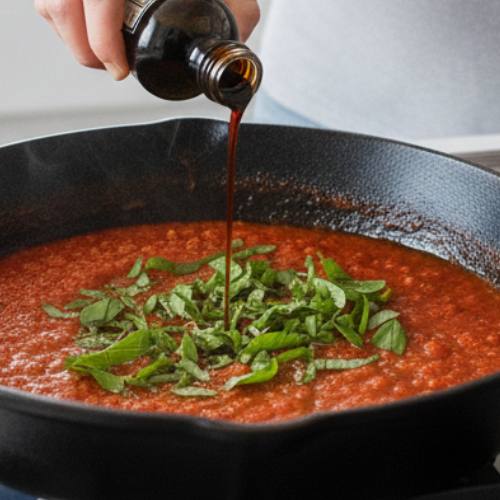
When you’re close to serving, stir in a teaspoon of balsamic vinegar. It works wonders at balancing the sweetness and acidity of the sauce. If you feel adventurous, toss in some freshly chopped basil just before serving.
Tips & Tricks on Making Simple Marinara Sauce
- Use high-quality tomatoes: Opt for San Marzano tomatoes when possible. They are sweeter and less acidic.
- Fresh herbs: While dried herbs are convenient, fresh basil makes a massive difference in flavor.
- Customizable spice level: Adjust the amount of crushed red chili flakes to suit your spice tolerance.
- Add depth: For deeper flavors, consider simmering the sauce longer or adding a splash of red wine.
- Don’t rush: Allow the sauce adequate time to simmer. The longer it cooks, the better the flavor.
Nutrition Information
Simple Marinara Sauce Recipe Nutrition Facts

How Do I Store This Dish?
To store your marinara sauce, let it cool to room temperature, then transfer it to an airtight container.
It can last in the refrigerator for about 5 days. For longer storage, consider freezing it. Marinara sauce freezes well and can last for about three months. Simply defrost it in the fridge overnight before reheating.
What Other Substitutes Can You Use in Simple Marinara Sauce?
- Canned Tomatoes: If you don’t have whole peeled tomatoes, crushed or diced canned tomatoes work, though they may alter the texture.
- Fresh Tomatoes: In season, use fresh tomatoes. You’ll need about 2 pounds, and you’ll want to blanch and peel them first.
- Vegetable Broth: To add depth without using wine, a splash of a hearty vegetable broth can work wonders.
- Onion Powder: In a pinch, if you lack fresh onions, use onion powder. It won’t replicate the exact flavor, but it gives a hint of the onion essence.
- Garlic Powder: Similar to onion powder, this can be substituted, but use it sparingly. A little can go a long way.
Conclusion
And there you have it, folks! This Simple Marinara Sauce is not just about cooking; it’s about creating memories in the kitchen. It’s easy to prepare, versatile in its uses, and a total crowd-pleaser.
Whether you whip it up for yourself, serve it at a gathering, or use it to elevate a weeknight dinner, it’s bound to impress.
Now that you’ve got the scoop on making this delicious sauce, I invite you to add your twist or enjoy it in its pure form. Food is about sharing and enjoying, so gather your loved ones around the table. After all, a great meal is best enjoyed with good company. Buon Appetito!
You Might Also Like These Latest Recipes!

Simple Marinara Sauce Recipe – Freshly Ingredients
Description
I remember the first time I tried my hand at marinara sauce. I was in my small college kitchen, fueled by a hunger for something hearty yet easy. I had just watched an Italian cooking show, and the host made it look so effortless.
I thought, "How hard could it be?" Little did I know, I was about to embark on a flavorful journey!
Ingredients
For serving: Cooked pasta, grated Parmesan cheese or vegan Parmesan, chopped fresh basil, extra olive oil drizzle
Instructions
Step 1: Prep Your Ingredients
-
Start with clean, fresh ingredients. It’s about setting the stage. Peel and halve the onion. Keep the garlic bulbs whole, and finely grate that small carrot. This prep may seem trivial, but it smooths the cooking process.
Step 2: Sauté the Aromatics
-
In a large skillet, heat the extra-virgin olive oil over medium heat. Toss in the halved onion, letting it sweat for about 5 minutes until it becomes translucent. This draws out its natural sweetness.
-
Next, add those whole garlic cloves. Sauté for another minute until they become fragrant but take care not to brown them.
Step 3: Add the Tomatoes
-
Now, it’s time to bring in the heavyweights—your whole peeled tomatoes. I usually crush them by hand as I introduce them into the skillet. This gives texture to the sauce. Scrape up any bits stuck to the bottom of the pan; that’s where flavor lurks!
Step 4: Mix in the Extras
-
Next, add the grated carrot, dried Italian oregano, and red chili flakes. Sprinkle in salt to taste. Stir everything together, bringing the flavors to unite. Let it simmer gently.
Step 5: Let It Simmer
-
Lower the heat and allow the sauce to simmer for at least 20-30 minutes. This slow cooking breaks down the tomatoes and strengthens the overall flavor. Stir occasionally, and don’t hesitate to taste it along the way.
Step 6: Finish with Balsamic
-
When you’re close to serving, stir in a teaspoon of balsamic vinegar. It works wonders at balancing the sweetness and acidity of the sauce. If you feel adventurous, toss in some freshly chopped basil just before serving.
Nutrition Facts
- Amount Per Serving
- Calories 96kcal
- % Daily Value *
- Total Fat 6.5g10%
- Saturated Fat 0.9g5%
- Cholesterol 5mg2%
- Sodium 236mg10%
- Total Carbohydrate 9g3%
- Dietary Fiber 1g4%
- Sugars 7g
- Protein 1g2%
* Percent Daily Values are based on a 2,000 calorie diet. Your daily value may be higher or lower depending on your calorie needs.
Note
- Use high-quality tomatoes: Opt for San Marzano tomatoes when possible. They are sweeter and less acidic.
- Fresh herbs: While dried herbs are convenient, fresh basil makes a massive difference in flavor.
- Customizable spice level: Adjust the amount of crushed red chili flakes to suit your spice tolerance.
- Add depth: For deeper flavors, consider simmering the sauce longer or adding a splash of red wine.
Don’t rush: Allow the sauce adequate time to simmer. The longer it cooks, the better the flavor.