Before we dive into the nuts and bolts of making a delightful Swiss chard dish, let’s chat about pairings that elevate it even more. Swiss chard’s earthy flavor and vibrant color make it a perfect companion for various main courses. Think grilled chicken, where the smoky flavors contrast beautifully with the mild bitterness of chard.
For a plant-based option, a hearty lentil dish or a rich potato gratin often harmonizes well. If you want to keep it simple, serve it alongside crusty bread and a flavorful dip, perhaps hummus or tzatziki. Now, let’s turn our focus to the star of the show: Swiss chard.
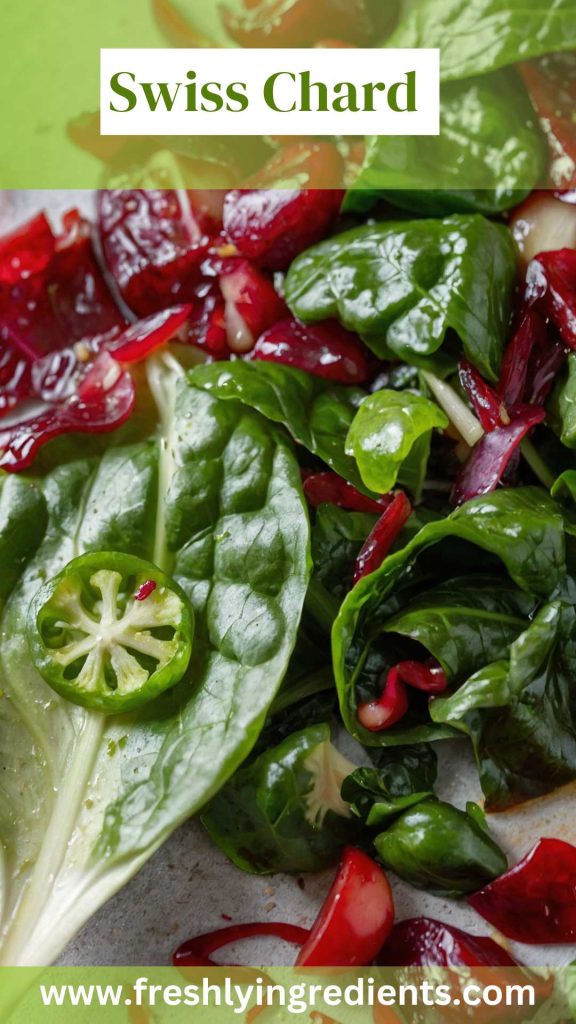
Swiss chard has a history steeped in tradition. It’s easy to overlook this leafy green, but it packs a powerful nutritional punch and contributes to a colorful plate. As I explored this versatile vegetable, I found numerous ways to prepare it while keeping it delicious and healthy.
That’s where this recipe shines. I promise this dish will charm you and your guests alike. If you want to spice up your culinary repertoire, you’ve hit the jackpot.
You Might Also Like These Recipes!
What is Swiss Chard Recipe?
Swiss chard is a member of the beet family, known for its vibrant stems that can be red, yellow, or white. But it’s not just a pretty face; the leaves are loaded with vitamins A, K, and C. When cooked, Swiss chard becomes tender and slightly sweet, making it an excellent addition to various dishes—from sautés and salads to casseroles.
The recipe I will share focuses on sautéing the chard to bring out its unique flavors while incorporating all the classic Italian accents.
How Does It Taste Like?
The taste of Swiss chard can be a delightful surprise. Its leaves offer a mild bitterness, which mellows with cooking, becoming sweet and tender. The texture remains hearty, almost similar to kale or spinach. When you pair it with good olive oil, garlic, and a hint of lemon, these flavors blend harmoniously.
If you want to kick it up a notch, a sprinkle of red pepper flakes delivers a warm finish. You might find yourself adding Swiss chard to your weekly rotation once you experience its versatility!
Why You’ll Love This
This Swiss chard recipe is not only easy to prepare but also opens doors for creativity. You can adjust the ingredients to your taste. Plus, it cooks quickly, making it ideal for busy weeknights.
Let’s shift gears and get into the nitty-gritty of making this dish. Here’s what you’ll need:
Ingredients
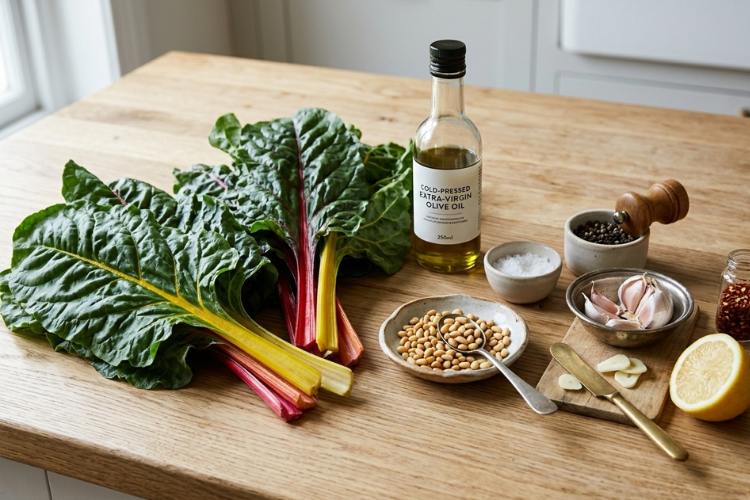
- 1 tablespoon cold-pressed extra-virgin olive oil
- 2 garlic cloves, thinly sliced or minced
- 1/4 teaspoon fine sea salt, plus additional to taste
- Freshly cracked black pepper, to taste
- 1 teaspoon toasted pine nuts (adds a nice crunch and subtle nuttiness)
- Juice of 1 lemon wedge
- 1/2 teaspoon red pepper flakes (optional, for a gentle heat kick)
- 2 bunches of fresh Swiss chard (approximately 1 pound)
Step-by-Step Directions
Step 1: Preparing the Swiss Chard
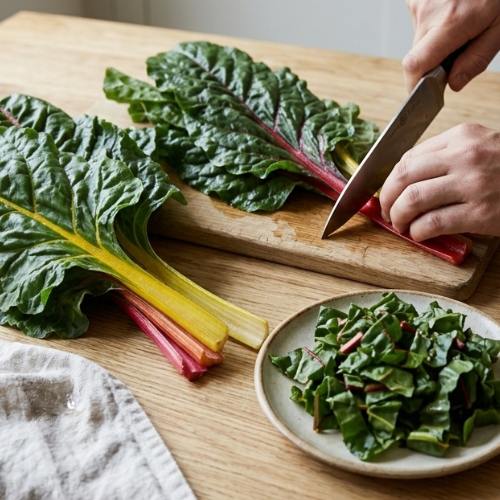
Start by rinsing the Swiss chard under cold water to remove any dirt or grit. Shake off the excess water and gently pat the leaves dry with a kitchen towel. Remove the thick stems by cutting along the sides of each one. Chop the leaves into bite-sized pieces and set them aside.
Step 2: Sauté the Garlic
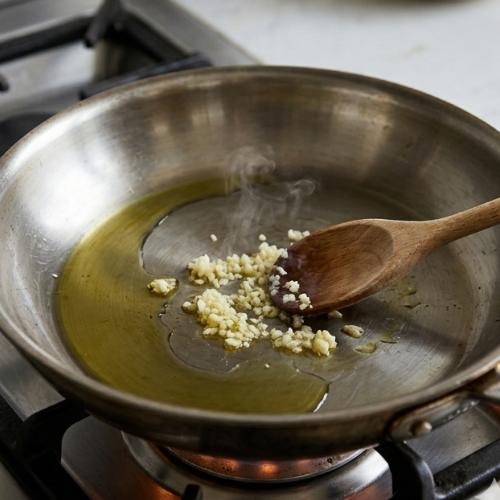
In a large skillet, heat the olive oil over medium heat. Once the oil is shimmering, add the minced garlic. Sauté for about 30 seconds, just until the garlic becomes fragrant. Be cautious not to burn it, as burnt garlic can spoil the dish.
Step 3: Cook the Swiss Chard
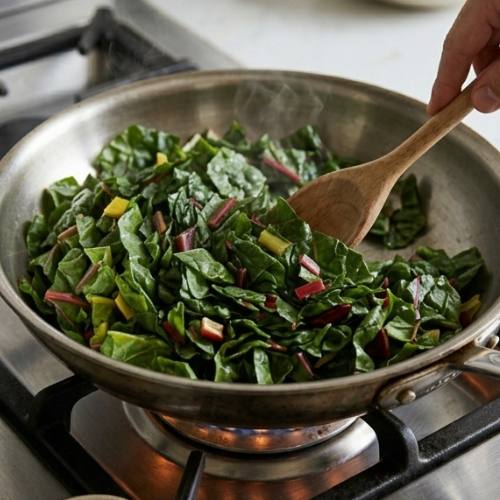
Add the chopped Swiss chard leaves to the skillet. Stir well to coat them with the garlic-infused oil. Sprinkle with salt and pepper to taste. Sauté for 3-5 minutes, stirring occasionally, until the chard wilts down significantly and turns a vibrant green.
Step 4: Add Flavor
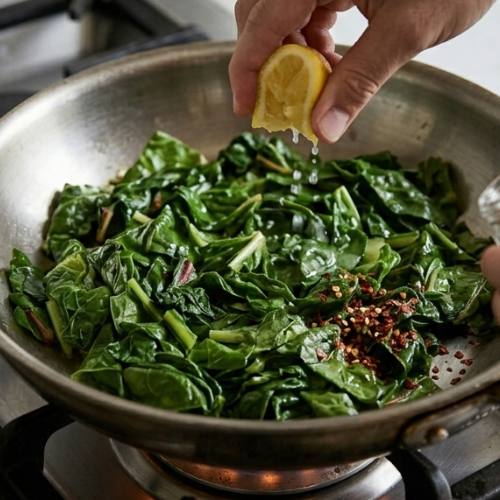
Once the chard has wilted, add the lemon juice. If you’re using red pepper flakes, this is the time to sprinkle them in. Give a final stir to combine all the flavors, allowing the heat from the pan to enhance the lemon’s brightness.
Step 5: Finish and Serve
Transfer the sautéed chard to a serving dish. Top it with toasted pine nuts for added crunch. You can also garnish with additional lemon juice and a sprinkle of salt if desired. This dish can be served warm or at room temperature.
Tips on Making Swiss Chard Recipe
1. Choose Fresh Chard: Select bright, crisp leaves with no yellowing. Freshness results in better flavor.
2. Experiment with Flavors: Feel free to add onions, herbs, or even a splash of balsamic vinegar for additional flavor dimensions.
3. Control the Heat: If you like a spicy kick, adjust the amount of red pepper flakes according to your preferences.
4. Toast the Nuts: Always toast your pine nuts before adding them. This enhances their flavor and adds depth to the dish.
5. Use High-Quality Olive Oil: The quality of the olive oil impacts the overall taste. Choose one with good flavor for the best results.
Nutrition Information

How Do You Store This Swiss Chard Recipe?
To store leftover Swiss chard, let it cool completely. Place it in an airtight container in the fridge. It will stay fresh for 3-4 days and can easily be reheated in a skillet. This dish doesn’t freeze well because the texture can become mushy.
What Other Substitutes Can You Use in Swiss Chard Recipe?
If Swiss chard isn’t available, don’t fret! Here are some fantastic substitutes that work well in this recipe:
- Kale: A more robust green, kale offers similar nutrition. Chop it finely and adjust cooking times as needed.
- Spinach: A softer alternative, spinach cooks faster, so reduce cooking time by a couple of minutes.
- Collard Greens: Rich and hearty, collards can stand up to robust flavors but may require a longer cooking time.
- Beet Greens: If you’re using beets, keep the greens! They have a similar taste profile and add a lovely color.
- Mustard Greens: For a spicier twist, mustard greens provide an excellent flavor contrast. They have a stronger taste, but that can be delightful!
Conclusion
This Swiss chard recipe offers a delightful way to explore this versatile green. Its uncomplicated preparation makes it accessible, even for novice cooks. With a burst of flavor and vibrant color, it’s sure to become a favorite addition to your kitchen.
Whether paired with grilled meats, served as a hearty side, or enjoyed on its own, Swiss chard does not disappoint. So, gather your ingredients, put on your apron, and dive into this leafy green wonder. Your taste buds will thank you!
You Might Also Like These Latest Recipes!

Swiss Chard – Freshly Ingredients
Description
Swiss chard has a history steeped in tradition. It’s easy to overlook this leafy green, but it packs a powerful nutritional punch and contributes to a colorful plate. As I explored this versatile vegetable, I found numerous ways to prepare it while keeping it delicious and healthy.
That’s where this recipe shines. I promise this dish will charm you and your guests alike. If you want to spice up your culinary repertoire, you’ve hit the jackpot.
Ingredients
Instructions
Step 1: Preparing the Swiss Chard
-
Start by rinsing the Swiss chard under cold water to remove any dirt or grit. Shake off the excess water and gently pat the leaves dry with a kitchen towel. Remove the thick stems by cutting along the sides of each one. Chop the leaves into bite-sized pieces and set them aside.
Step 2: Sauté the Garlic
-
In a large skillet, heat the olive oil over medium heat. Once the oil is shimmering, add the minced garlic. Sauté for about 30 seconds, just until the garlic becomes fragrant. Be cautious not to burn it, as burnt garlic can spoil the dish.
Step 3: Cook the Swiss Chard
-
Add the chopped Swiss chard leaves to the skillet. Stir well to coat them with the garlic-infused oil. Sprinkle with salt and pepper to taste. Sauté for 3-5 minutes, stirring occasionally, until the chard wilts down significantly and turns a vibrant green.
Step 4: Add Flavor
-
Once the chard has wilted, add the lemon juice. If you’re using red pepper flakes, this is the time to sprinkle them in. Give a final stir to combine all the flavors, allowing the heat from the pan to enhance the lemon's brightness.
Step 5: Finish and Serve
-
Transfer the sautéed chard to a serving dish. Top it with toasted pine nuts for added crunch. You can also garnish with additional lemon juice and a sprinkle of salt if desired. This dish can be served warm or at room temperature.
Nutrition Facts
Servings 4
- Amount Per Serving
- Calories 40kcal
- % Daily Value *
- Total Fat 3.9g6%
- Saturated Fat 0.3g2%
- Sodium 146mg7%
- Total Carbohydrate 1g1%
* Percent Daily Values are based on a 2,000 calorie diet. Your daily value may be higher or lower depending on your calorie needs.
Note
1. Choose Fresh Chard: Select bright, crisp leaves with no yellowing. Freshness results in better flavor.
2. Experiment with Flavors: Feel free to add onions, herbs, or even a splash of balsamic vinegar for additional flavor dimensions.
3. Control the Heat: If you like a spicy kick, adjust the amount of red pepper flakes according to your preferences.
4. Toast the Nuts: Always toast your pine nuts before adding them. This enhances their flavor and adds depth to the dish.
5. Use High-Quality Olive Oil: The quality of the olive oil impacts the overall taste. Choose one with good flavor for the best results.