When it comes to pairing vegetable fried rice, you have a plethora of vibrant options. Picture this: your fried rice alongside crispy spring rolls, juicy dumplings, or even a refreshing cucumber salad. Each of these sides brings something unique to the table, enhancing your overall meal experience. They create a delightful balance that transforms your dining into an explosion of taste. Whether you lean towards the crispy textures or prefer the cool, crunchy options, there’s something here for everyone to enjoy.

Let’s dive into something that can brighten your day – vegetable fried rice. It’s not just a side; it’s a comforting meal that can be the star of your dining table. The beauty of vegetable fried rice lies in its versatility. You can whip it up as a quick dinner after a long day or serve it as a centerpiece at a gathering. It’s packed with flavors while catering to a range of dietary preferences. The warm, inviting aromas wafting through your kitchen will probably pull in the family before it even hits the table. Trust me, this dish is everything you didn’t know you needed.
You Might Also Like These Recipes!
What is Vegetable Fried Rice?
Vegetable fried rice is essentially a stir-fried dish that combines cooked rice with an array of vegetables and seasonings. Traditionally hailing from Asian cuisine, this meal is both colorful and nutritious. It usually highlights a beautiful mix of textures and flavors. Soft, fluffy rice meets crisp veggies, with enticing sauces marrying them together. It’s like a dance on your palate that plays out each time you dig in.
What Makes This Recipe Different from Other Vegetable Fried Rice Recipes?
What sets my vegetable fried rice apart is the careful balance of flavors. Instead of relying on excessive sauces, I emphasize fresh produce. This recipe uses minimal and genuine ingredients, yet it still packs a punch. The mixture of garlic and ginger gives a fresh kick, while the sesame oil provides a subtle nutty flavor that rounds things off splendidly.
Another distinctive element is the inclusion of quality ingredients. Strategic choices—like low-sodium soy sauce—prevent the dish from being overly salty, allowing the natural flavors of the vegetables to shine. Preparation includes cooking techniques that enhance the ingredients’ flavors, whether it’s the wok-tossing or a simple sauté.
How Does It Taste?
Imagine each bite filled with a combination of tender rice and slightly crunchy veggies. Elements like peas and carrots blend together to create a burst of sweetness that contrasts beautifully against the savoriness of soy sauce. The sesame oil adds a rich depth, while a hint of chili flakes awakens your senses without overpowering your palate. Overall, this dish is a delightful melange of savory goodness that feels both comforting and refreshing.
Ingredients You’ll Need to Make This Dish
To create this delightful dish, gather the following ingredients:
- 4 cups chilled, cooked medium-grain rice (brown or white)
- 2 large eggs, lightly beaten
- 1 cup mixed frozen peas and diced carrots (no need to thaw)
- 3/4 teaspoon toasted sesame oil
- 1 tablespoon low-sodium soy sauce or tamari
- 2 medium green onions, thinly sliced
- 1 teaspoon oyster sauce (optional, for depth of flavor)
- 2 tablespoons plus 1 teaspoon neutral cooking oil (canola or avocado)
- 3 fresh garlic cloves, finely chopped
- 1/4 teaspoon chili flakes (optional for a mild kick)
- 1 teaspoon kosher salt, plus more to taste
- 1/2 teaspoon ground white pepper, with extra if desired
These ingredients are not just arbitrary items from a grocery list; each one plays a significant role in making this dish a flavorful and healthful option.
Step by Step Instructions
Step 1: Prepping the Ingredients
Begin by ensuring all your ingredients are ready. Chop your garlic, slice the green onions, and have everything within arm’s reach. If you haven’t yet cooked your rice, make sure to use chilled rice as it fries better—freshly cooked rice can become mushy, which is the last thing you want.
Step 2: Heating the Wok
Place your wok over medium-high heat. Add the neutral cooking oil and allow it to heat up. A good way to know if your oil is hot enough is to add a small piece of garlic. If it sizzles, you’re ready to proceed.
Step 3: Cooking the Veggies
Add your garlic to the hot oil and stir-fry for about 30 seconds until fragrant. Immediately add the mixed peas and carrots. Stir continuously for about 2-3 minutes, until the vegetables are vibrant and tender.
Step 4: Incorporating the Rice
Now, add your chilled rice to the wok. This is where you really want to push the rice down, separating clumps and ensuring even frying. Add the soy sauce and oyster sauce, if using. Keep tossing everything together for about 5 minutes to allow the flavors to mingle and the rice to get a bit crispy.
Step 5: Adding Eggs
Make a well in the center of the rice. Pour in the beaten eggs, and allow them to sit for about 20 seconds before scrambling them. As they begin to cook, mix everything in the wok to combine. Don’t rush this step; you want the eggs cooked beautifully throughout.
Step 6: Flavoring with Spices
Sprinkle in the toasted sesame oil, chili flakes, kosher salt, and white pepper. Toss everything together well to ensure even distribution of flavors, and let it cook for another minute.
Step 7: Finishing Touches
Finally, fold in the sliced green onions. These should be added last to maintain their crispness. Give it one final mix, then plate your lovely fried rice.
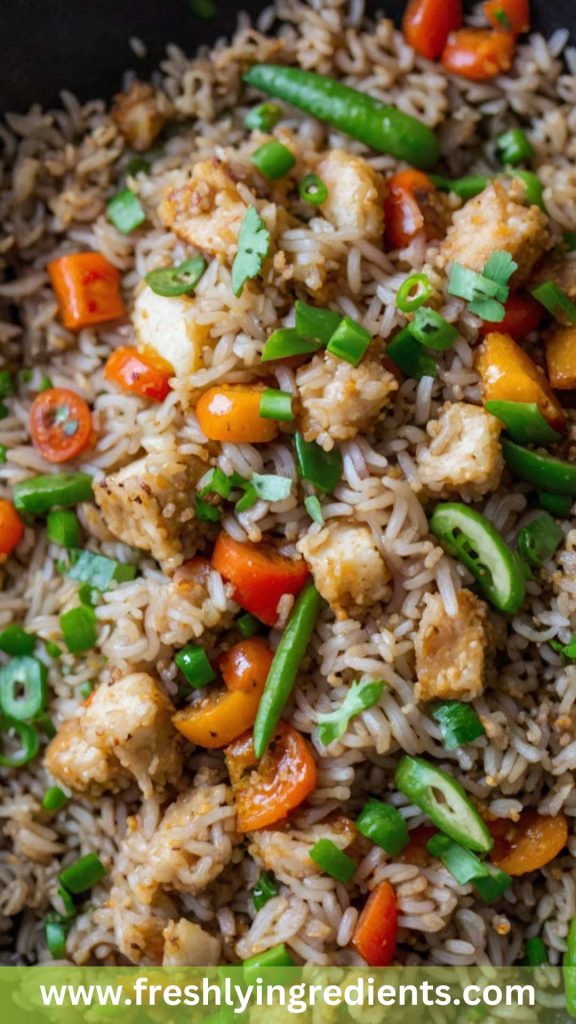
Tips & Tricks on Making Vegetable Fried Rice
- Use Leftover Rice: Day-old rice works wonders. If you have leftovers, use them instead of freshly cooked rice. It’s drier and fries up perfectly.
- High Heat Is Key: Cooking on high heat ensures your rice gets that delightful smoky flavor and the veggies retain their crunch.
- Don’t Overcrowd the Wok: If you’re making a larger batch, cook in batches. Overcrowding can lead to steaming instead of frying.
- Taste as You Go: As you cook, taste your dish to get the flavor just right. Adjust the salt or soy sauce to your liking.
- Experiment With Veggies: Feel free to mix in your favorite vegetables, such as bell peppers, broccoli, or Snow peas, to give this dish a personal twist.
Nutrition Information
Per serving (assuming 4 servings):

This information is a general estimate that can vary based on specific ingredient brands and quantities. Nutritional needs can vary from person to person, so adjust the ingredients as necessary to meet specific dietary requirements.
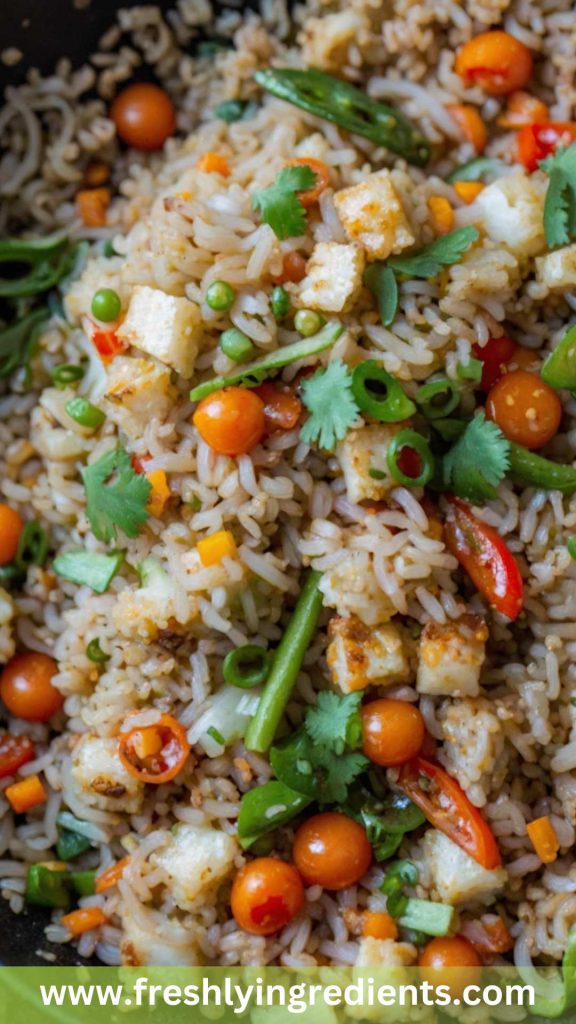
How Do I Store This Dish?
To properly store leftover vegetable fried rice, place it in an airtight container once it cools. It can be stored in the refrigerator for up to 4 days. If you plan to keep it longer, consider freezing it. It will last about 2 months in the freezer. To reheat, there’s no need to thaw. Just pop it in the microwave or heat on a stovetop until warmed through.
What Other Substitutes Can You Use in Vegetable Fried Rice?
- Quinoa: Swap out rice for quinoa for a protein-packed twist. Quinoa will naturally add a nutty flavor and is gluten-free.
- Brown Rice: For a healthier alternative, use brown rice. It adds fiber and nutrients, making your dish more filling.
- Tofu: For those seeking additional protein, cubed tofu can replace the eggs. Sauté it till golden for added texture.
- Soy Sauce Alternatives: If you need a lower sodium option, consider using coconut aminos. They offer a similar flavor profile with less salt.
- Mixed Vegetables: If you have frozen mixed vegetables on hand, feel free to use them. They offer convenience without skimping on nutrition.
Conclusion
Vegetable fried rice is more than a recipe—it’s a canvas for your culinary creativity. Whether you’re preparing a quick dinner or a meal to impress, it can adapt to any occasion. With fresh ingredients, your kitchen will hum with excitement as you bring this dish to life. By following my recipe, you’ll not only enjoy a dish that’s satisfying and delicious, but you’ll also revel in the knowledge that you made something incredibly nutritious. So the next time you find yourself wondering what to whip up, remember that vegetable fried rice is waiting for you to unleash its flavorful potential. Happy cooking!
You Might Also Like These Latest Recipes!

Vegetable Fried Rice Recipe – Freshly Ingredients
Description
Let’s dive into something that can brighten your day – vegetable fried rice. It’s not just a side; it’s a comforting meal that can be the star of your dining table. The beauty of vegetable fried rice lies in its versatility. You can whip it up as a quick dinner after a long day or serve it as a centerpiece at a gathering. It’s packed with flavors while catering to a range of dietary preferences. The warm, inviting aromas wafting through your kitchen will probably pull in the family before it even hits the table. Trust me, this dish is everything you didn’t know you needed.
Ingredients
Instructions
Step 1: Prepping the Ingredients
-
Begin by ensuring all your ingredients are ready. Chop your garlic, slice the green onions, and have everything within arm’s reach. If you haven't yet cooked your rice, make sure to use chilled rice as it fries better—freshly cooked rice can become mushy, which is the last thing you want.
Step 2: Heating the Wok
-
Place your wok over medium-high heat. Add the neutral cooking oil and allow it to heat up. A good way to know if your oil is hot enough is to add a small piece of garlic. If it sizzles, you’re ready to proceed.
Step 3: Cooking the Veggies
-
Add your garlic to the hot oil and stir-fry for about 30 seconds until fragrant. Immediately add the mixed peas and carrots. Stir continuously for about 2-3 minutes, until the vegetables are vibrant and tender.
Step 4: Incorporating the Rice
-
Now, add your chilled rice to the wok. This is where you really want to push the rice down, separating clumps and ensuring even frying. Add the soy sauce and oyster sauce, if using. Keep tossing everything together for about 5 minutes to allow the flavors to mingle and the rice to get a bit crispy.
Step 5: Adding Eggs
-
Make a well in the center of the rice. Pour in the beaten eggs, and allow them to sit for about 20 seconds before scrambling them. As they begin to cook, mix everything in the wok to combine. Don’t rush this step; you want the eggs cooked beautifully throughout.
Step 6: Flavoring with Spices
-
Sprinkle in the toasted sesame oil, chili flakes, kosher salt, and white pepper. Toss everything together well to ensure even distribution of flavors, and let it cook for another minute.
Step 7: Finishing Touches
-
Finally, fold in the sliced green onions. These should be added last to maintain their crispness. Give it one final mix, then plate your lovely fried rice.
Nutrition Facts
Servings 4
- Amount Per Serving
- Calories 452kcal
- % Daily Value *
- Total Fat 30.1g47%
- Saturated Fat 6.2g31%
- Cholesterol 92mg31%
- Sodium 767mg32%
- Total Carbohydrate 63g21%
- Dietary Fiber 26g104%
- Sugars 1g
- Protein 19g38%
* Percent Daily Values are based on a 2,000 calorie diet. Your daily value may be higher or lower depending on your calorie needs.
Note
- Use Leftover Rice: Day-old rice works wonders. If you have leftovers, use them instead of freshly cooked rice. It’s drier and fries up perfectly.
- High Heat Is Key: Cooking on high heat ensures your rice gets that delightful smoky flavor and the veggies retain their crunch.
- Don’t Overcrowd the Wok: If you’re making a larger batch, cook in batches. Overcrowding can lead to steaming instead of frying.
- Taste as You Go: As you cook, taste your dish to get the flavor just right. Adjust the salt or soy sauce to your liking.
- Experiment With Veggies: Feel free to mix in your favorite vegetables, such as bell peppers, broccoli, or Snow peas, to give this dish a personal twist.