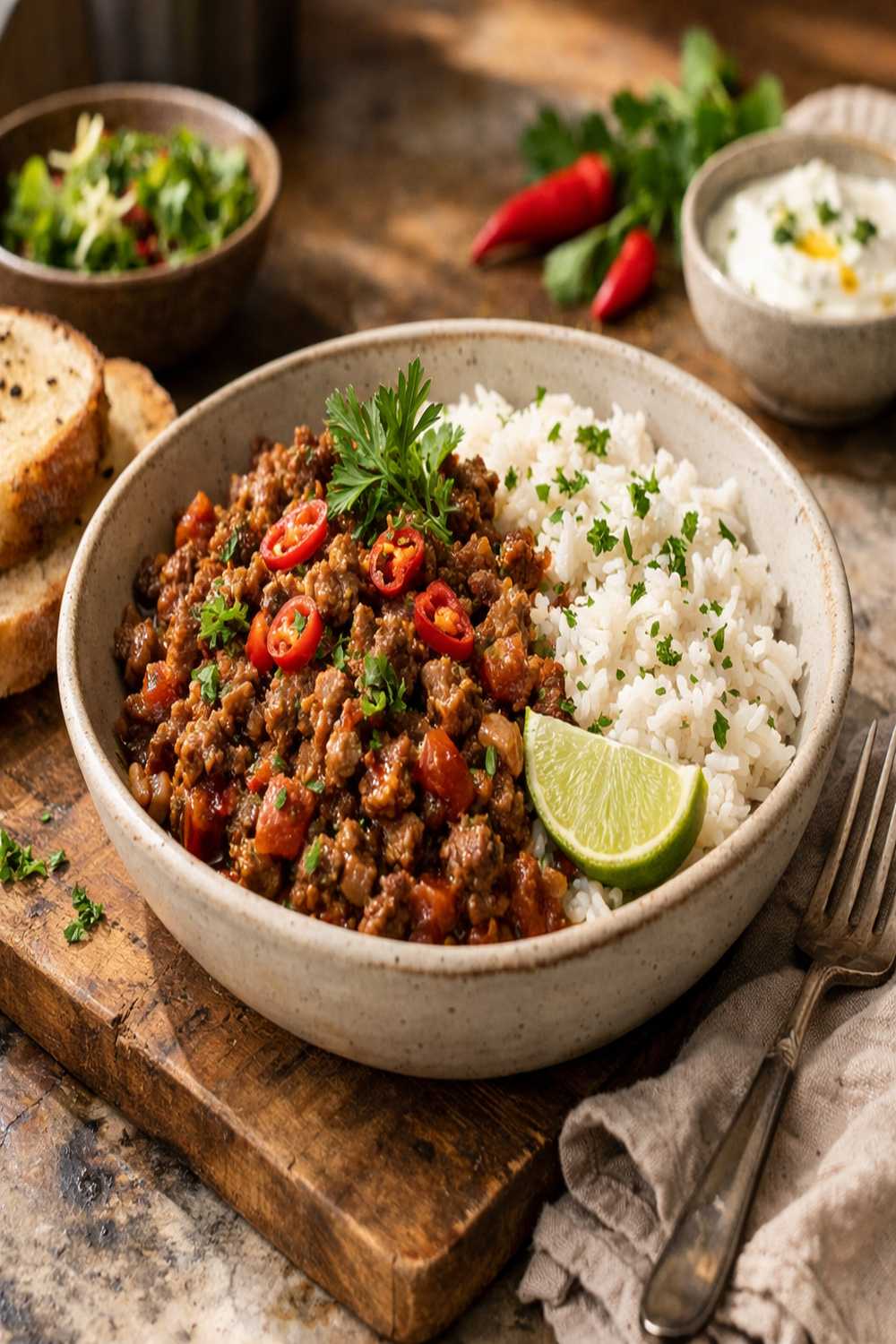

Ingredients
Method
Step 1: Heat Your Pan and Brown the Beef Properly
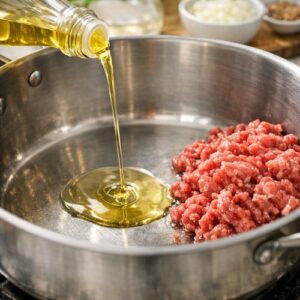
- Pour your sunflower oil into a large, deep saucepan (cast iron or stainless steel works best—both last forever and cost less than non-stick over time) over medium-high heat. Don't skimp on pan temperature. This is where home cooks lose money: they use medium heat and end up with beef that steams instead of browns. Browning = flavor, and flavor = satisfaction. You want a proper sear. Add your ground beef and let it sit undisturbed for 2-3 minutes. This is crucial. Stirring constantly is a beginner mistake that prevents browning. Let the meat contact the hot pan, develop a brown crust, then break it up with your spoon. Continue cooking for 5-7 minutes total until no pink remains and you see those beautiful caramelized bits stuck to the pan. Don't drain the fat—that's flavor and nutrients you paid for.
Step 2: Add Your Aromatics and Green Beans
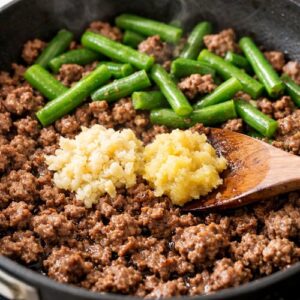
- Once your beef is browned, add your minced garlic and ginger puree directly to the pan. Cook for exactly 1 minute—any longer and garlic turns bitter and you've wasted money. You'll smell that incredible aroma hit your kitchen. That's volatile compounds releasing, and it signals you're on the right track. Add your green beans (fresh or frozen—no thawing needed for frozen) and cook for another 5 minutes. Fresh green beans will stay slightly crisp; frozen beans will be tender throughout. Both are correct, just different. If you're using fresh and want them tender-crisp, 5 minutes is perfect. If you want softer vegetables, go closer to 7 minutes.
Step 3: Build Your Sauce (The Game-Changer Step)
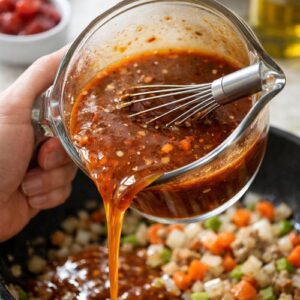
- While the vegetables are cooking, make your sauce in a separate bowl or measuring cup. This step separates home cooks from restaurant cooks. Pour your cornstarch into a small bowl, then slowly add your soy sauce while stirring constantly. This gradual mixing prevents lumps that will ruin your sauce's texture. You're creating a slurry—basically activated cornstarch that will thicken everything beautifully without cream or flour. Once your soy-cornstarch mixture is smooth, add your oyster sauce, honey, and water. Stir until completely combined. The honey dissolves slowly, so give it 30 seconds of stirring to ensure everything's incorporated evenly. You should have a glossy, unified sauce that looks almost like caramel.
Step 4: Bring It All Together
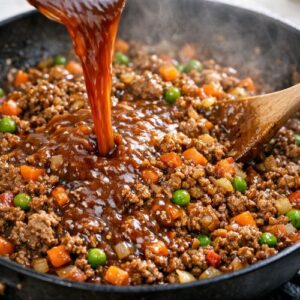
- Turn your heat up to high. Your vegetables should be nearly done by now. Pour your entire sauce over the beef and vegetables, stirring constantly. Let this bubble for 2-3 minutes. This is when the cornstarch activates and transforms from cloudy liquid into glossy, coating sauce. You'll see it happen—the mixture will thicken and coat everything in that restaurant-quality gloss. If your sauce seems too thin after 3 minutes, the cornstarch didn't activate properly. This usually means your heat wasn't high enough. Turn it up and let it bubble for another 60 seconds. If it seems too thick, add a splash of water (2-3 tablespoons) and stir. You want sauce that coats a spoon but still flows slightly when you tilt the pan.
Step 5: Serve Immediately Over Rice
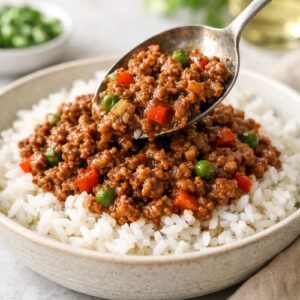
- Have your rice ready before you start cooking (white rice, brown rice, or cauliflower rice all work—choose based on budget and preference). Spoon your beef mixture over the rice, garnish with sesame seeds if you have them, and serve immediately. This dish doesn't hold well—serve within 5 minutes of completing the sauce for best texture. The sauce will continue to thicken as it cools, and vegetables will soften further.
Notes
- Buy ground beef on markdown day - Most grocery stores markdown meat on Tuesday-Wednesday afternoons. Freeze immediately in portion-sized bags. I use the flat-freezer method: seal beef in a gallon freezer bag, flatten it against a sheet pan, then freeze. It defrosts in 20 minutes under cold running water.
- Fresh vs. frozen green beans—frozen wins here financially - Frozen green beans cost half what fresh ones do in Alaska, and they're picked at peak ripeness then flash-frozen within hours. Nutritionally identical, and you'll save $1.50 per batch. No guilt.
- One-time pantry investment pays off for months - Dark soy sauce and oyster sauce seem expensive at first ($4-6 per bottle), but each bottle makes this recipe 12-15 times. Buy once, use for months. That's $0.30-0.50 per meal instead of $4.50. Same logic applies to honey and sesame seeds.