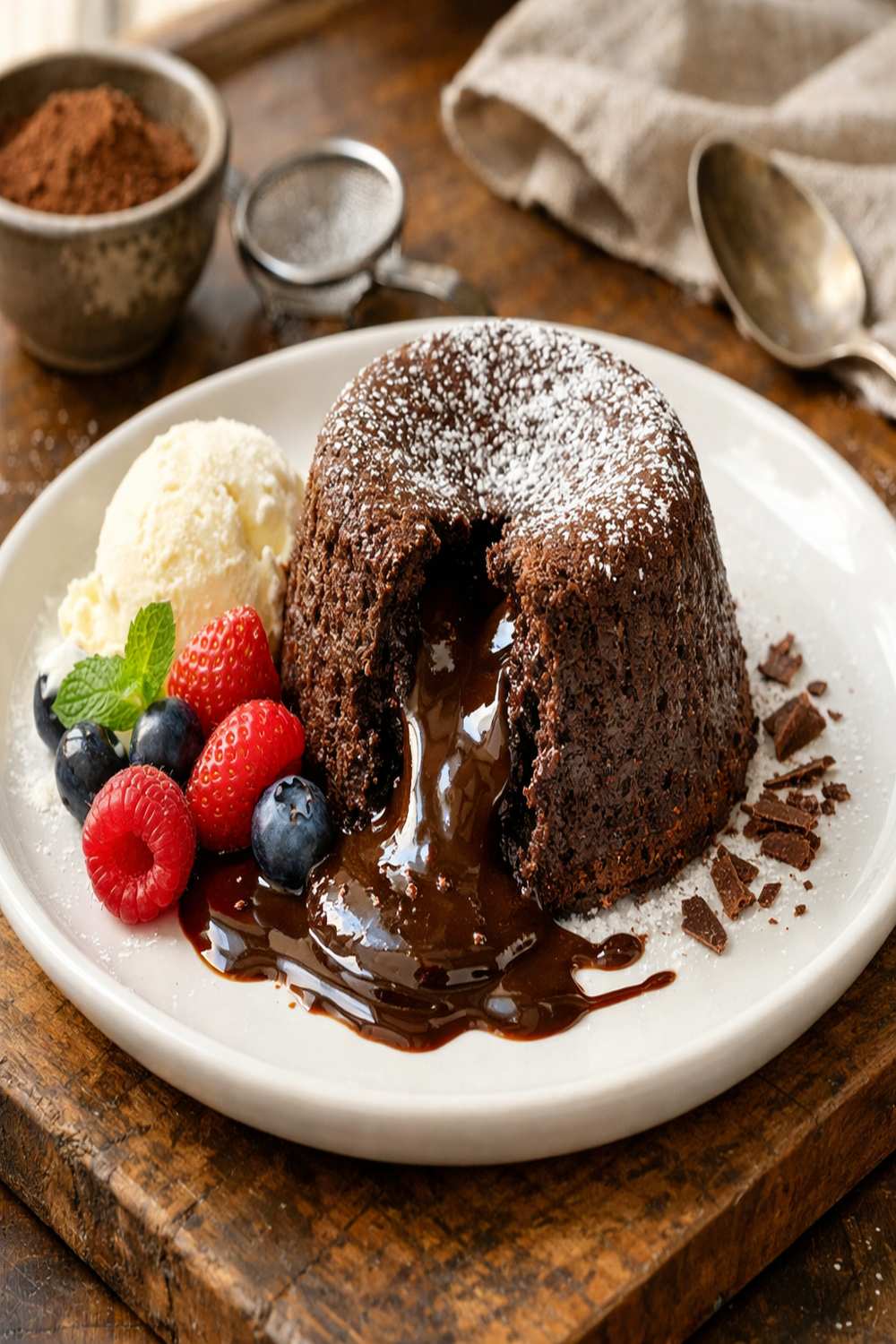

Ingredients
Method
Step 1: Combine Your Dry Cake Layer
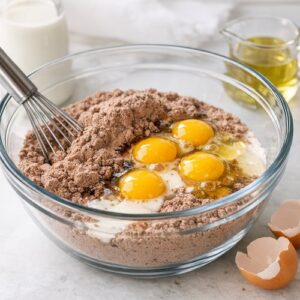
- In a large mixing bowl, add your dry cake mix along with the milk, oil, and eggs. Make sure kids understand that mixing should be smooth but not overmixed—overmixing develops gluten, which can make the cake tough. This is their chance to feel like real bakers without the risk of ruining anything. If a child is mixing, I usually let them go for about 30-40 seconds until I see no obvious dry streaks, then take over briefly. The batter should look slightly thicker than pancake batter.
Step 2: Prepare Your Slow Cooker
- Lightly oil or spray the inside of a large oval slow cooker (a 6-quart capacity is ideal, though a round one works too). I prefer oil spray because it creates an even coating without drips. This is an adult step due to heat concerns, but kids can watch and learn about why we prepare cooking vessels. Pour the batter mixture into your prepared slow cooker, spreading it gently into an even layer on the bottom. It won't fill the cooker—this is intentional, as you need room for the layers to create magic.

Step 3: Create the Pudding Layer (The Secret to the Lava Center)
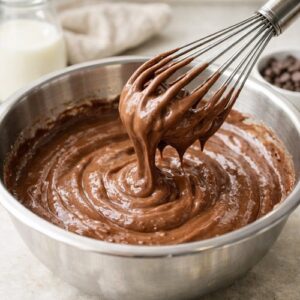
- In a separate mixing bowl, combine your dry pudding mix with the 2 cups of whole milk. Whisk until the pudding mixture thickens slightly—this takes about 2-3 minutes of steady whisking. This is an excellent job for a school-age child with your hands nearby for safety. Here's the critical part: carefully pour this pudding mixture directly onto the cake batter layer. Do not stir or mix the two together. I know it feels wrong—your instinct will scream to fold everything together—but resist. The magic of lava cake happens because these layers stay separate and cook differently. The pudding will sink slightly and create that coveted molten center while the cake rises around it.
Step 4: Top With Chocolate Chips
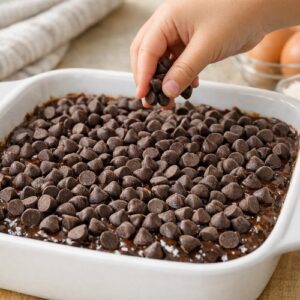
- Sprinkle your 2 cups of chocolate chips evenly across the top of the pudding layer. This is a perfect task for younger children who want to participate. Let them use their hands or a small spoon. Again, do not stir or mix after adding the chips—each component needs to stay separate during cooking. If you're using caramel sauce, you can drizzle a little bit here, but it's also delicious added only at the end.
Step 5: Cook on High for 2.5 to 3 Hours
- Cover your slow cooker and set it to high. This is the easiest part—literally nothing else to do. I love the texture at the 2.5-hour mark, when there's still some slight jiggle in the center and the top is just set. If your family prefers a firmer texture, you can extend to 3 hours, but watch carefully after 2.5 hours because slow cookers vary in temperature. Here's my pro tip: around the 2-hour mark, check that the edges of the cake aren't browning too quickly. If they are, prop the lid open slightly with a wooden spoon for the final 30 minutes to reduce heat.
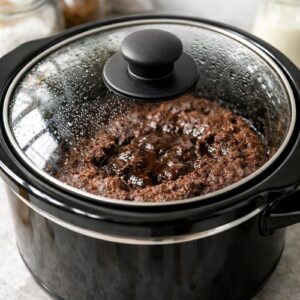
Step 6: Test for Doneness (The Critical Step)
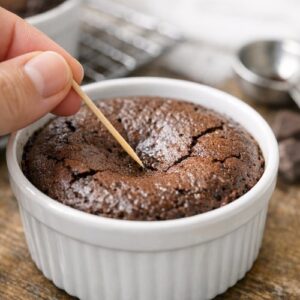
- This is where most home cooks make a mistake: insert a toothpick only halfway into the center of the cake. It should come out clean or nearly clean. If you test all the way to the bottom, you'll hit the pudding layer, which will always be wet—that's the point. You're checking that the cake itself has cooked through while the pudding center stays decadent. If the toothpick comes out with thick cake batter, continue cooking in 15-minute increments.
Step 7: Add Final Touches and Serve
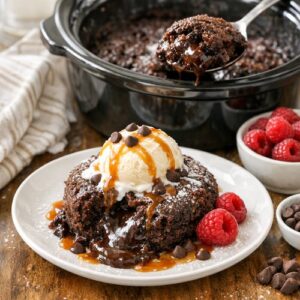
- Let the cake rest in the slow cooker for 5 minutes. This cooling period prevents the extreme heat from overwhelming your mouth when you take the first bite. If desired, drizzle additional caramel sauce on top or add more chocolate chips. Serve warm directly from the slow cooker with vanilla ice cream or whipped cream. The cold dairy with warm cake is absolutely essential—the temperature contrast is part of what makes this dessert feel restaurant-quality.
Notes
- Stirring the layers together: This is the biggest mistake I see. When pudding and cake mix together, you lose the lava center entirely and end up with a dense, uniform cake. Trust the process—separate layers are literally the point. The pudding sinks on its own as the cake rises.
- Testing doneness all the way to the bottom: That toothpick needs to go only halfway into the center. The pudding layer will always be wet; that's your lava center. Testing to the bottom makes you think the cake is underdone when it's actually perfect.
- Overheating your slow cooker: Mine runs hot, so I cook on high for 2.5 hours. Yours might need 2 hours 45 minutes or even 3 hours. Start checking at 2 hours and use that toothpick test. Slow cookers are highly variable machines.
- Not letting it rest before serving: Five minutes might seem short, but it lets the top set slightly and the heat reduce to something edible. Serving immediately can burn mouths and result in the chocolate coating your tongue rather than melting across it.