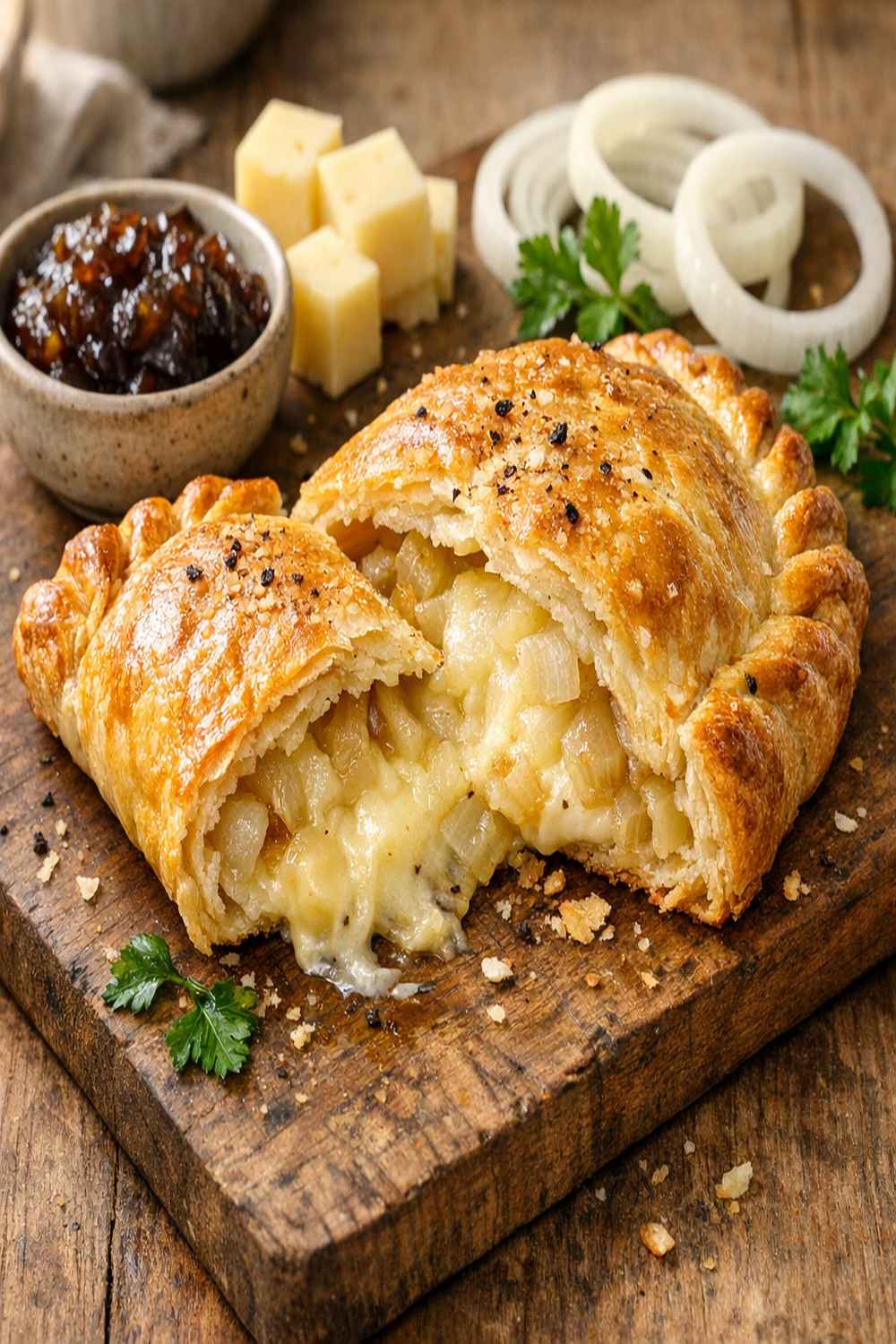

Ingredients
Method
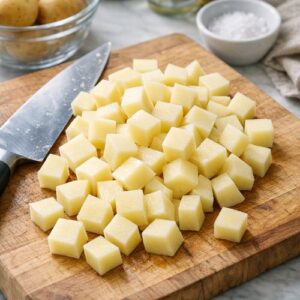
Step 1: Prep and Start Your Potatoes
- Cut potatoes into ½-inch cubes—this matters more than you'd think. Smaller pieces cook evenly; larger pieces stay hard inside while edges turn mushy. Bring a large pot of salted water to a rolling boil. For keto versions, you can reduce potato quantity by ¼ and add 3 ounces cauliflower florets for lower carb content. Add potatoes and maintain a steady boil. Set a timer for 15-20 minutes while you move to the next step. You're aiming for potatoes that pierce easily with a fork but haven't started breaking apart.
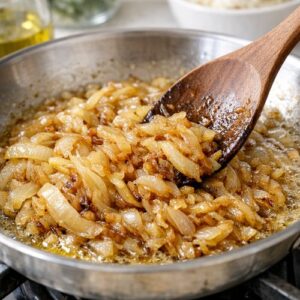
Step 2: Caramelize Your Onions
- While potatoes cook, melt butter in a medium skillet over medium heat. For vegan and dairy-free versions, use your chosen butter substitute at the same temperature. Add finely chopped onions and stir occasionally for 7-10 minutes. You want them translucent and just beginning to turn golden at the edges—not dark brown, which becomes bitter. I listen for a gentle sizzle, not a loud crackle. This is the flavor foundation of the entire pasty, so don't rush it. The onions should smell sweet and fragrant, not sharp. Expert's Nutritional Tip: Caramelizing onions for 8-10 minutes instead of 3-4 minutes increases quercetin bioavailability—a powerful antioxidant your body absorbs better from cooked than raw onions. This is especially important for anyone managing inflammation, which matters out here in Alaska where seasonal shifts affect joint health.
Step 3: Preheat Your Oven
- While onions finish caramelizing, preheat your oven to 400°F (200°C fan). Most home ovens take 12-15 minutes to fully preheat. If you have a convection setting, use it—it promotes even browning and crispier pastry. Line a baking sheet with parchment paper or use the one your puff pastry came on (that prevents sticking and saves cleanup).

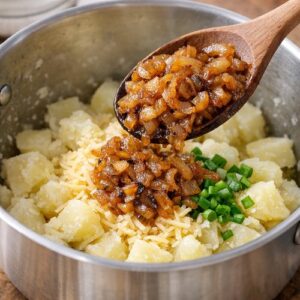
Step 4: Combine and Cool Your Filling
- When potatoes are fork-tender, drain them thoroughly—excess water ruins the filling texture. Return drained potatoes to the pot (off heat). Add caramelized onions and any remaining butter from the skillet. Add your cheese (or cheese substitute for dietary versions). Stir well, then season with salt, pepper, and paprika if using. For vegan versions with nutritional yeast: add the yeast-tahini mixture now and stir thoroughly until evenly distributed. Spread the mixture on a plate or shallow baking dish and let it cool for 5-8 minutes. Warm filling will make pastry soggy and won't seal properly. This is non-negotiable. While it cools, prepare your pastry.
Step 5: Prepare and Fill Your Pastry
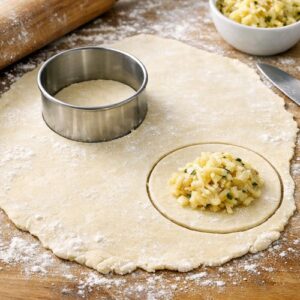
- Lightly flour your work surface. Roll out your thawed puff pastry (or keto almond flour crust) to about ⅛-inch thickness. For keto crust: mix almond flour, egg, melted butter, and salt to form a dough, then press into rectangles between two sheets of parchment paper and chill 5 minutes before filling. Cut the pastry into 8 rectangles, roughly 4 inches by 3 inches. Divide cooled filling evenly among 4 rectangles, leaving a ½-inch border around all edges. For vegan versions, prepare your aquafaba wash now: whisk 2 tablespoons aquafaba with 1 tablespoon plant milk and 1 pinch salt. Brush the borders with egg wash (or aquafaba wash for vegan versions). Top with remaining 4 pastry rectangles and press edges firmly to seal. Use a fork to crimp the edges—this creates an airtight seal and looks beautiful.
Step 6: Final Wash and Bake
- Brush the top of each pasty with remaining egg wash (or aquafaba wash). This gives you that golden, glossy finish. Transfer to prepared baking sheet with at least 2 inches between pasties for heat circulation. Bake for 15-20 minutes until deep golden brown. For gluten-free versions, check at 15 minutes—gluten-free pastry can brown faster due to higher moisture content. The pastry should sound crispy when you tap it, and filling shouldn't leak from edges. Remove from oven and let cool for 3-5 minutes before serving. This allows the filling to set slightly and prevents mouth-burning bites. Serve warm or at room temperature.