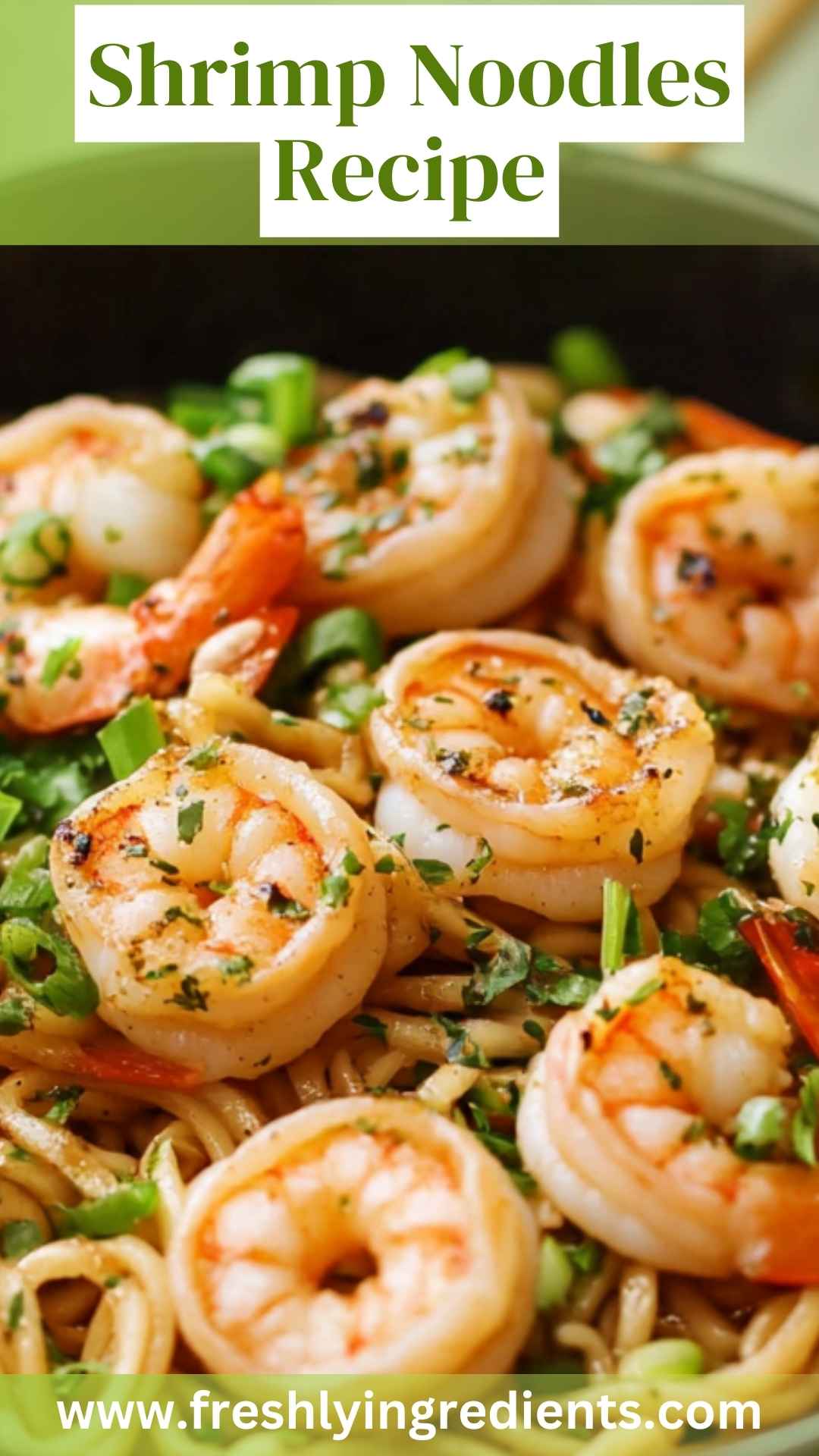
Ingredients
Method
Step 1: Prepare the Shrimp
- First, rinse your shrimp under cold water if they are frozen. Pat them dry with paper towels. This step ensures that they cook properly without steaming. You can also season them lightly with some salt and lemon juice.
Step 2: Cook the Spaghetti Noodles
- In a large pot, bring salted water to a boil. Once boiling, toss in your spaghetti noodles. Cook according to the package instructions until al dente. Usually, it takes about 8-10 minutes. Once cooked, drain the noodles but do not forget to reserve about 1/4 cup of the cooking water. This water is golden and now holds the magic that will help create a luscious sauce later.
Step 3: Sauté the Aromatics
- In a large skillet, melt the butter over medium heat. Once melted, toss in the finely chopped garlic and ginger. Sauté for about a minute until fragrant. Be careful not to let them burn; we want warm aromas, not bitterness.
Step 4: Add Shrimp
- Now, bring your star ingredient into the mix. Add the shrimp to the skillet. Stir them around continuously until they turn pink and opaque. This should take around 3-4 minutes. The key is not to overcook them. You want them to remain juicy.
Step 5: Add Sauces
- Once your shrimp is cooked, add the fish sauce, oyster sauce, soy sauce, and brown sugar. Stir everything together, allowing the shrimp to absorb the flavors. Could you feel that? The kitchen should smell heavenly by now.
Step 6: Combine with Noodles
- Next, toss in your cooked spaghetti noodles. As you mix, add the reserved cooking water one splash at a time. Keep stirring until everything is evenly coated. If it feels a bit dry, add more pasta water.
Step 7: Garnish and Serve
- Finally, sprinkle the sliced green onions and drizzle the toasted sesame oil over the dish. Do one last toss to combine. Serve hot and watch everyone come running for this meal.
Notes
- Use fresh shrimp: If possible, fresh shrimp will taste better than frozen. They tend to soak in flavors more effectively.
- Don’t rush the garlic: Cook it just until fragrant. Overcooking can create bitterness.
- Reserve pasta water: Always set aside some pasta water; it’s a game-changer for sauce consistency.
- Experiment with veggies: Adding bell peppers or snap peas can provide additional crunch and nutrients.
- Adjust the spice level: If you're into heat, consider adding some crushed red pepper flakes. Go easy if you prefer milder dishes.