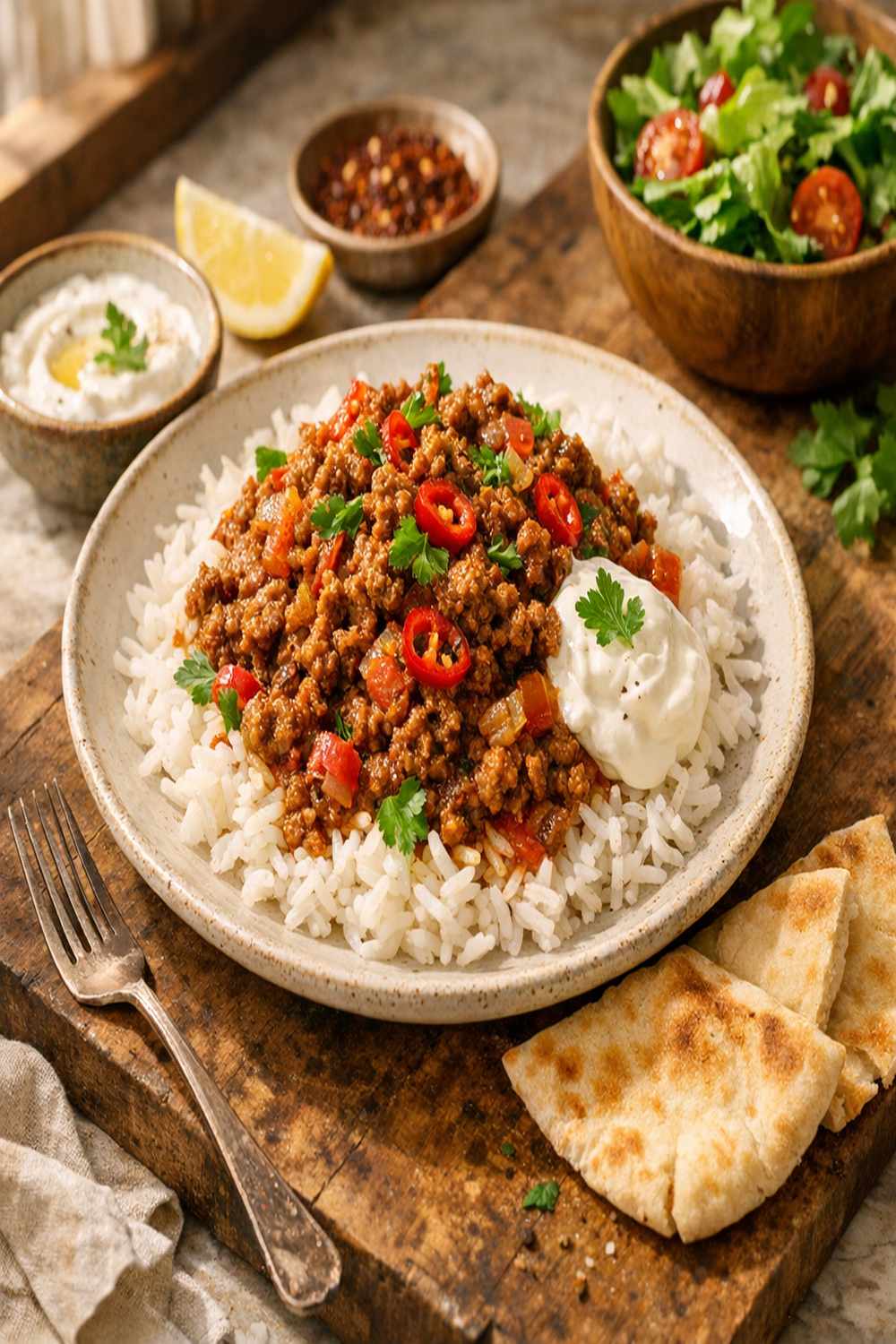

Ingredients
Method
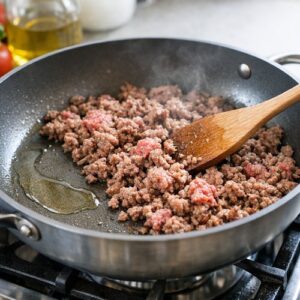
Step 1: Heat Your Oil and Brown the Ground Beef
- Place a large, deep skillet or saucepan over medium-high heat. Add your sunflower oil and let it heat for about 30 seconds—you'll notice the surface shimmering slightly, which means it's ready. Don't skip the preheat; cold oil means the beef steams instead of browning, and browning is where the flavor lives. Add your 500 grams of ground beef to the hot oil. This is the critical moment: resist the urge to stir immediately. Let it sit for 2-3 minutes. This creates a caramelized crust, which is restaurant-level flavor. Then break it into smaller pieces with your spoon and cook for another 4-5 minutes until the meat is completely cooked through with no pink remaining. You're looking for a rich brown color throughout.
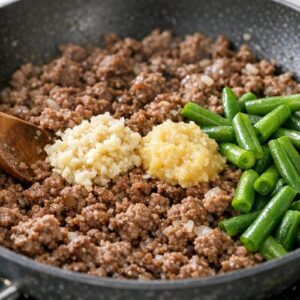
Step 2: Add Aromatics and Green Beans
- Now add your minced garlic and ginger puree directly to the cooked beef. Don't worry if you haven't minced the garlic yet—jarred or prepared garlic works perfectly and costs less. Stir everything together and let it cook for about 1 minute. Your kitchen should smell incredible at this point. This is where I know I'm doing it right. Add your green beans (fresh or frozen—there's no need to thaw frozen beans) and stir to combine. Cook for another 4-5 minutes. The beans should still have a slight firmness to them; we're not going for mushy vegetables here. If using fresh beans, they may take an extra minute compared to frozen.
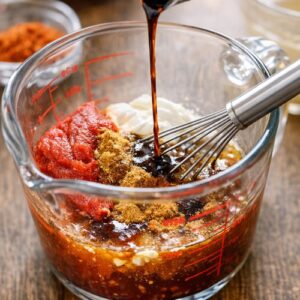
Step 3: Prepare Your Sauce (The Make-or-Break Step)
- While the beef and beans are cooking, make your sauce in a separate bowl or measuring jug. This is the step that prevents lumpy sauce disasters. Add 1 tablespoon of cornstarch to a small bowl and gradually pour in your dark soy sauce while stirring constantly. Add it slowly—about a teaspoon at a time—so the cornstarch dissolves instead of clumping. Once the cornstarch is completely dissolved and smooth, add your 2 tablespoons of oyster sauce, 2 tablespoons of honey, and 100 milliliters of lukewarm water. Stir until completely smooth. Pro tip: lukewarm water helps ingredients blend faster than cold water. Set this mixture aside.
Step 4: Combine Everything and Finish
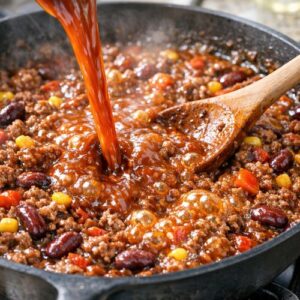
- Turn your heat up to high. Pour your sauce directly into the skillet with the beef and beans. Stir constantly for 2-3 minutes. The sauce will bubble vigorously—this is exactly what you want. The cornstarch is thickening, and everything is coming together into a glossy, cohesive coating. You'll see the liquid reduce and cling beautifully to the beef and beans. Stop cooking as soon as the sauce has thickened. Don't let it reduce further or the sauce becomes too thick and overly concentrated. The beef should be coated but still have visible glossy liquid in the pan.
Step 5: Plate and Garnish
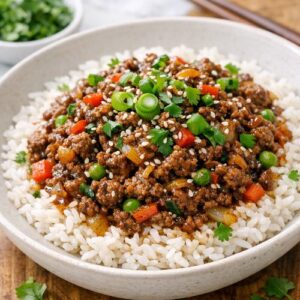
- Serve immediately over steamed white rice or brown rice. The rice absorbs the sauce and becomes part of the dish rather than just a vehicle. Sprinkle with sesame seeds if you have them—they add textural contrast and a toasted nutty note that elevates the entire plate from "weeknight dinner" to "I made this myself and it's restaurant-quality."
Notes
- Buy ground beef on markdown days - Most Alaska stores mark down beef 30-40% on Thursdays and Sundays. Freeze immediately if you're not cooking within two days. I buy triple and portion into freezer bags, which cuts my per-pound cost by almost half over the year.
- Shop Asian markets for soy and oyster sauce - I cannot stress this enough. A bottle of quality oyster sauce at Carrs costs $4.99. At the local Asian market? $1.99. Same brand, same quality. Stock your pantry during sales and you'll have these staples for months.
- Fresh versus frozen green beans: pick frozen and pocket the savings - Frozen green beans are picked at peak ripeness and flash-frozen within hours. Fresh beans from the grocery store have often traveled for days. Nutritionally, there's no difference. The cost difference? Frozen is 35-40% cheaper. I use frozen exclusively for this recipe.
- Buy ginger puree instead of fresh root - Fresh ginger spoils quickly and you waste half the piece. Pre-made ginger puree (usually found in Asian aisles) stays fresh for 3-4 months in the fridge. One small jar costs $2.50 and you'll use it for six recipes before it's empty.
- Store cornstarch in the pantry, not with baking supplies - This is a habit I picked up: cornstarch lasts longer and doesn't pick up moisture when stored away from the oven and stove heat. Keep it in an airtight container in a cool cabinet. One bag lasts an entire year of frequent cooking.