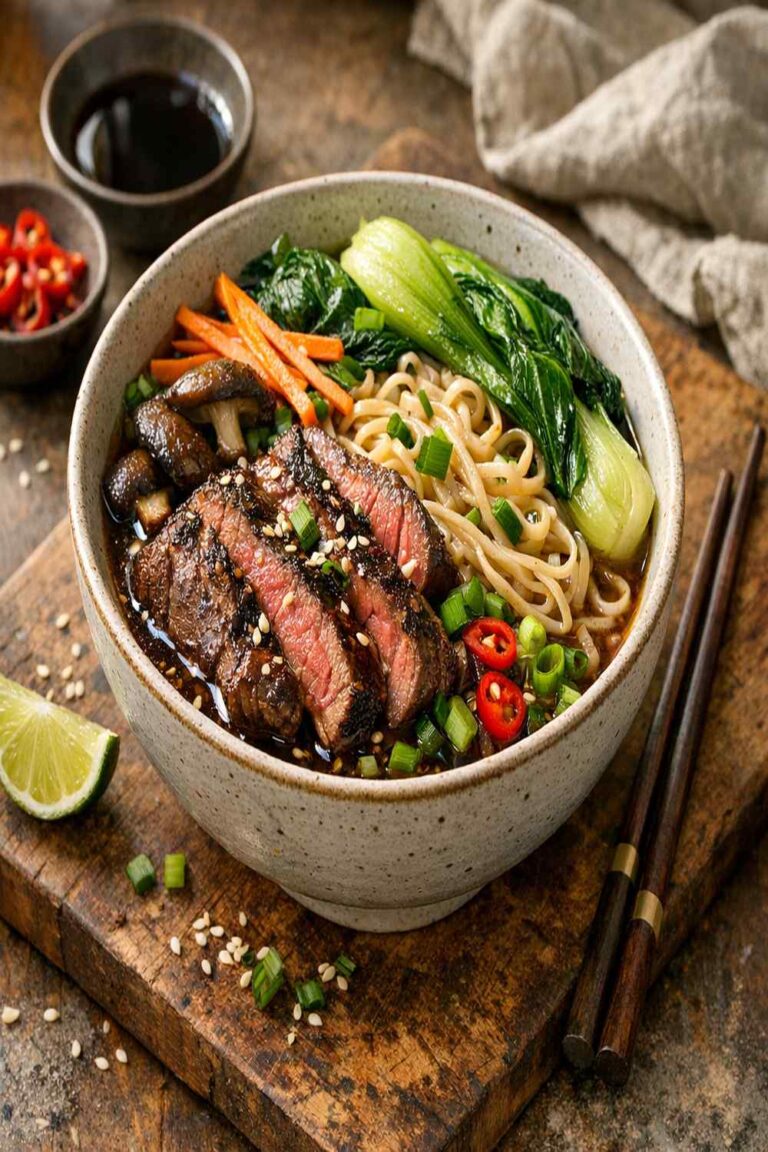
Beef Mince Recipe
This post contains affiliate links. As an Amazon Associate I earn from qualifying purchases.
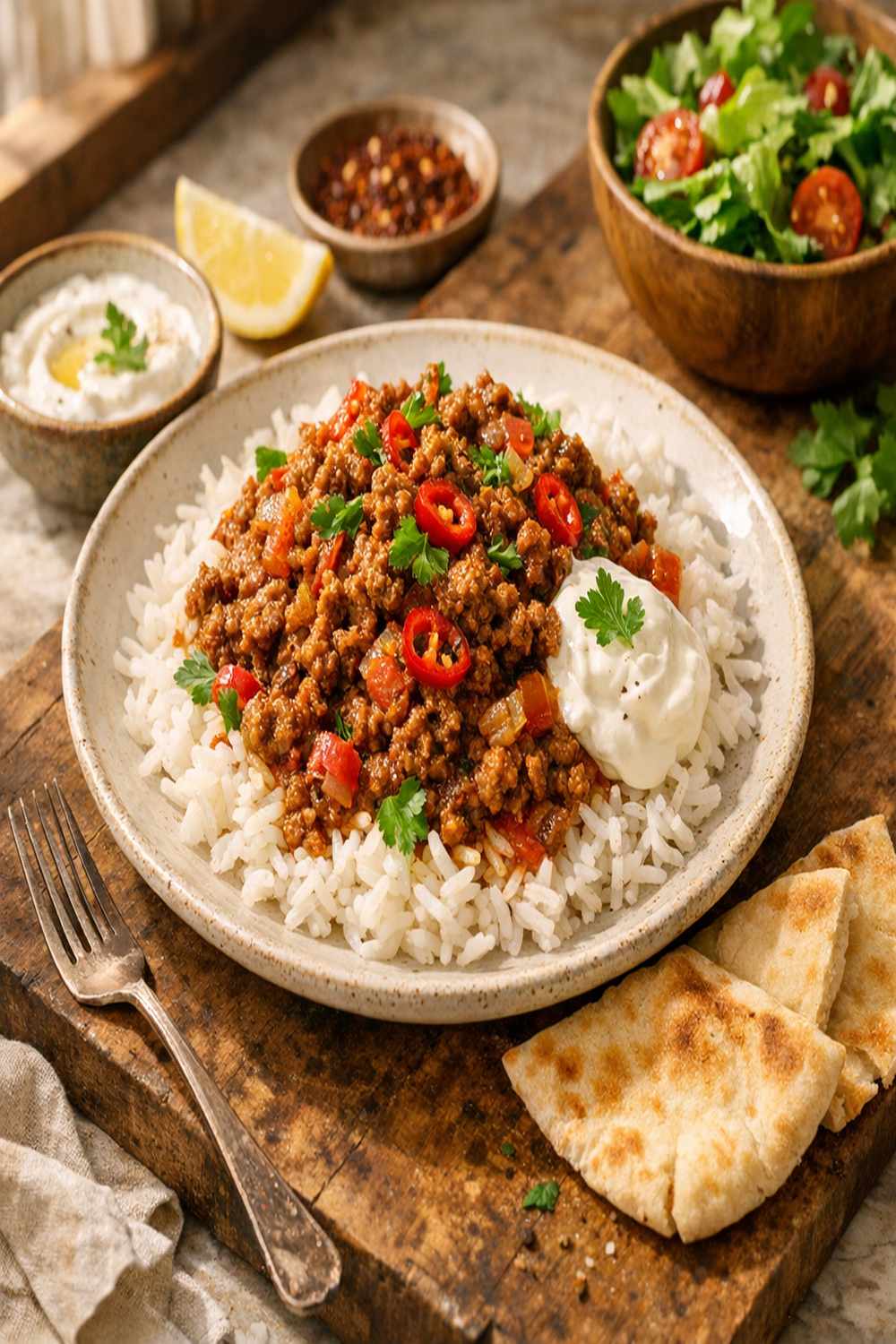
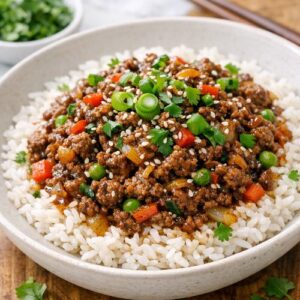
This dish looks and tastes like it costs $40 at a restaurant. The ingredients cost under $10. I’m talking about that glossy, restaurant-worthy ground beef with tender green beans swimming in a perfectly balanced sauce—the kind that makes your family ask for seconds before you’ve even sat down. When I first started cooking in Alaska, I realized that eating well on a tight budget wasn’t about deprivation. It was about understanding which ingredients deliver the most impact for your money and how to layer flavors strategically. This recipe taught me that lesson better than anything else.
Restaurant-Quality Ground Beef Stir-Fry for Under $10 (No Shortcuts on Flavor)
I grew up watching my mother transform simple ingredients—salmon from our local fishery, wild mushrooms foraged from the forest—into meals that felt like celebrations. But our budget was tight, and I learned early that the best food doesn’t require expensive ingredients. It requires intention. Years later, as a registered dietitian working with Alaskan families, I see the same pattern: people want to eat well, but they think it requires either a restaurant budget or hours in the kitchen.
This ground beef stir-fry changed that conversation for so many of my clients. It’s fast, it’s genuinely delicious, and it proves that you can create restaurant-quality meals at home without financial stress. The sauce is where the magic happens—it’s balanced, complex, and makes the whole dish sing. Plus, at roughly $8-9 total, you’re feeding a family of four for less than a single restaurant entree.
The Real Cost Breakdown
Let me be transparent about what you’re actually spending here. I price these recipes based on typical Anchorage grocery prices, but your costs may shift depending on location, season, and where you shop. The beautiful part? Every ingredient here earns its place.
- Ground beef (500g) – $4.50 to $5.50 depending on lean ratio (look for 85/15 at Carrs or Fred Meyer during sales)
- Fresh ginger puree (2 tsp) – $0.40 (buy a small jar at Asian markets, it lasts for weeks in the fridge)
- Garlic (2 tsp minced) – $0.15 (buy whole bulbs, freeze extras)
- Fresh green beans (200g trimmed) – $1.20 to $1.80 (frozen is $0.80 and nutritionally equal)
- Dark soy sauce (3 tbsp) – $0.30 (one bottle lasts months)
- Oyster sauce (2 tbsp) – $0.25 (buy at Asian markets, not mainstream grocery)
- Raw honey (2 tbsp) – $0.40 (buy in bulk, huge containers last forever)
- Cornstarch (1 tbsp) – $0.10
- Sunflower oil (1 tsp) – $0.05
- Sesame seeds (optional garnish) – $0.15
Total: $8.30 to $9.30 per recipe (feeds 4 people, roughly $2.10 per serving)
Compare that to a typical restaurant stir-fry ($16-22 per plate). You’re not just saving money—you’re controlling sodium, sugar, and quality of ingredients your family actually recognizes.
Smart Shopping Tips for This Recipe
- Buy ground beef on markdown days – Most Alaska stores mark down beef 30-40% on Thursdays and Sundays. Freeze immediately if you’re not cooking within two days. I buy triple and portion into freezer bags, which cuts my per-pound cost by almost half over the year.
- Shop Asian markets for soy and oyster sauce – I cannot stress this enough. A bottle of quality oyster sauce at Carrs costs $4.99. At the local Asian market? $1.99. Same brand, same quality. Stock your pantry during sales and you’ll have these staples for months.
- Fresh versus frozen green beans: pick frozen and pocket the savings – Frozen green beans are picked at peak ripeness and flash-frozen within hours. Fresh beans from the grocery store have often traveled for days. Nutritionally, there’s no difference. The cost difference? Frozen is 35-40% cheaper. I use frozen exclusively for this recipe.
- Buy ginger puree instead of fresh root – Fresh ginger spoils quickly and you waste half the piece. Pre-made ginger puree (usually found in Asian aisles) stays fresh for 3-4 months in the fridge. One small jar costs $2.50 and you’ll use it for six recipes before it’s empty.
- Store cornstarch in the pantry, not with baking supplies – This is a habit I picked up: cornstarch lasts longer and doesn’t pick up moisture when stored away from the oven and stove heat. Keep it in an airtight container in a cool cabinet. One bag lasts an entire year of frequent cooking.
The Ingredients
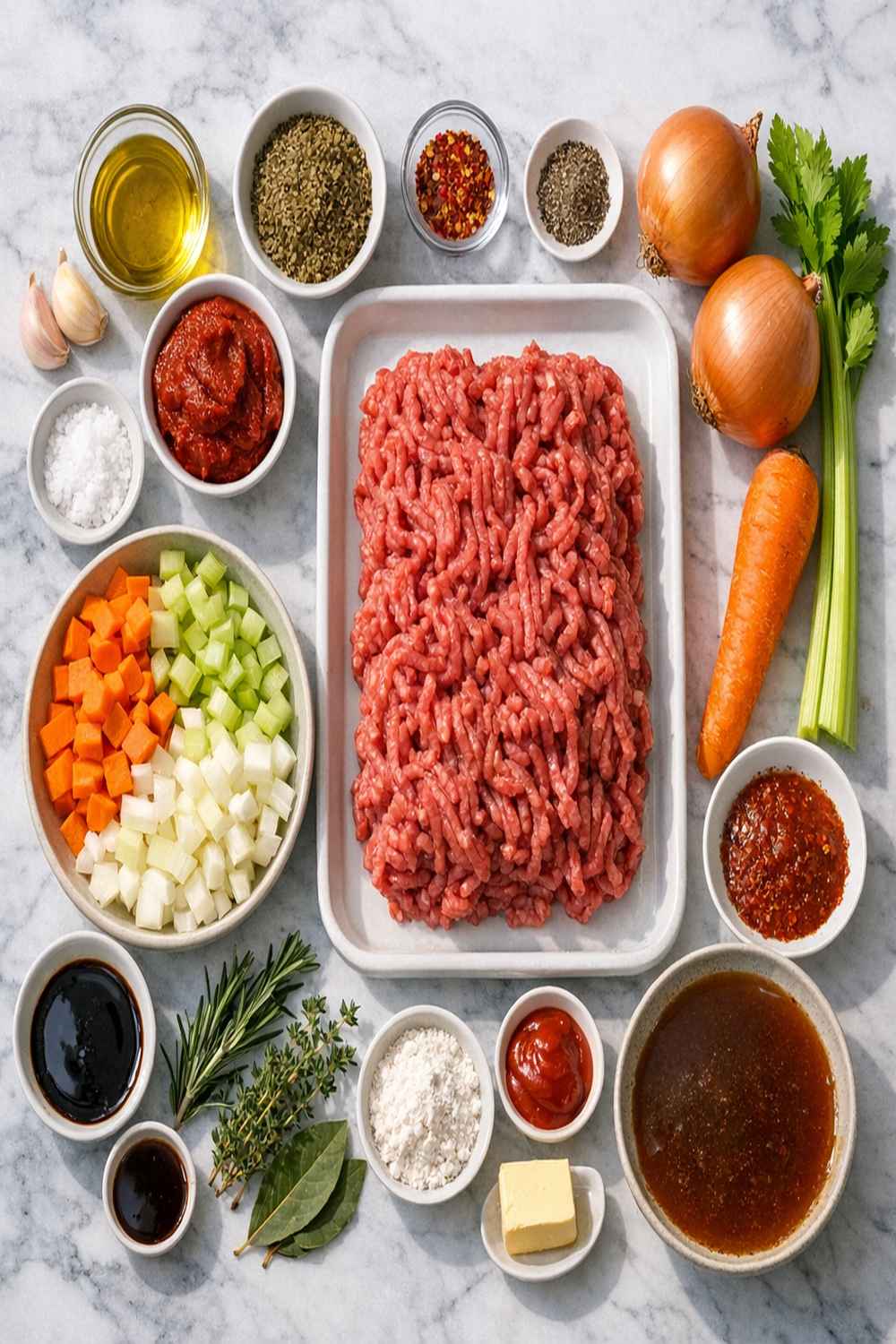
Every ingredient in this recipe earns its place and its cost. There are no fillers, no “optional” items that secretly matter. Each component contributes directly to flavor, texture, or nutrition. This is strategic cooking, not just ingredient collecting.
- 3 tablespoons dark soy sauce, reduced-sodium preferred (where most of the salt comes from, so choose wisely)
- 200 grams fresh green beans, trimmed and halved (or frozen; frozen actually stays crispier in high heat)
- 100 milliliters water (lukewarm helps sauce blend smoothly)
- 2 teaspoons garlic, minced or jarred (fresh or prepared; prep 15 minutes ahead so flavors meld)
- 2 teaspoons ginger puree (from a jar, stored in the refrigerator door for easy access)
- 500 grams ground beef (85/15 lean-to-fat ratio works best; too lean and it becomes tough when cooked)
- 2 tablespoons raw honey (balances salt and adds slight sweetness without being dessert-like)
- 1 tablespoon cornstarch (acts as the sauce thickener; prevents lumpy results)
- 1 teaspoon sunflower oil (or any neutral high-heat oil; light, not heavy)
- Sesame seeds for garnish (optional but transforms the whole presentation)
- 2 tablespoons oyster sauce (umami powerhouse; cheap at Asian markets)
How to Make Ground Beef Stir-Fry Without Breaking the Bank
This recipe works because it respects both your time and your budget. It’s designed for weeknight cooking—start to finish in under 30 minutes. The method is simple, but there are specific techniques that prevent expensive mistakes (like tough ground beef or lumpy sauce). I’ll walk you through each step the way I’ve taught hundreds of clients to cook this at home.
Step 1: Heat Your Oil and Brown the Ground Beef
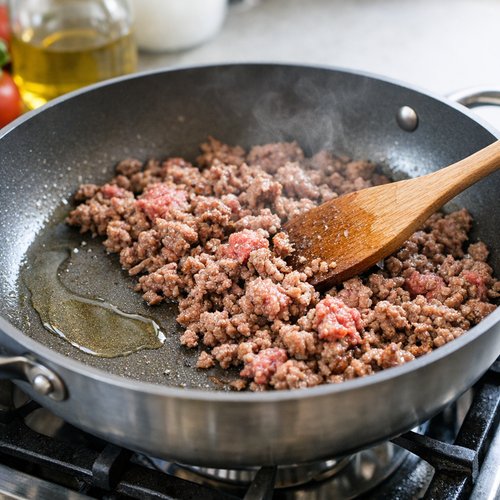
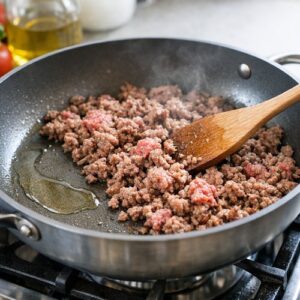
Place a large, deep skillet or saucepan over medium-high heat. Add your sunflower oil and let it heat for about 30 seconds—you’ll notice the surface shimmering slightly, which means it’s ready. Don’t skip the preheat; cold oil means the beef steams instead of browning, and browning is where the flavor lives.
Add your 500 grams of ground beef to the hot oil. This is the critical moment: resist the urge to stir immediately. Let it sit for 2-3 minutes. This creates a caramelized crust, which is restaurant-level flavor. Then break it into smaller pieces with your spoon and cook for another 4-5 minutes until the meat is completely cooked through with no pink remaining. You’re looking for a rich brown color throughout.
Step 2: Add Aromatics and Green Beans
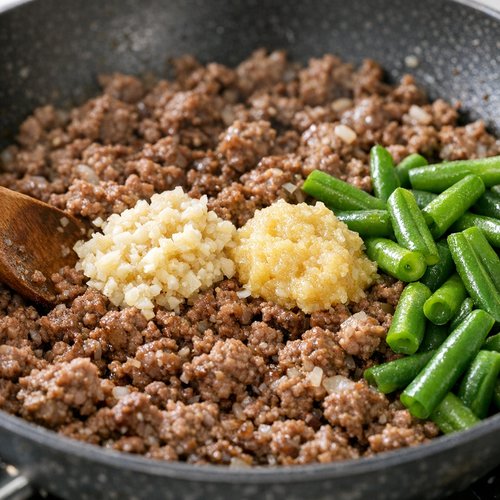
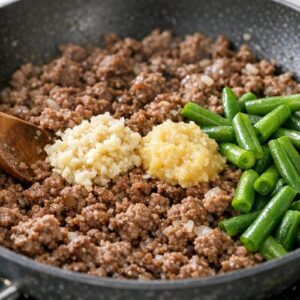
Now add your minced garlic and ginger puree directly to the cooked beef. Don’t worry if you haven’t minced the garlic yet—jarred or prepared garlic works perfectly and costs less. Stir everything together and let it cook for about 1 minute. Your kitchen should smell incredible at this point. This is where I know I’m doing it right.
Add your green beans (fresh or frozen—there’s no need to thaw frozen beans) and stir to combine. Cook for another 4-5 minutes. The beans should still have a slight firmness to them; we’re not going for mushy vegetables here. If using fresh beans, they may take an extra minute compared to frozen.
Step 3: Prepare Your Sauce (The Make-or-Break Step)
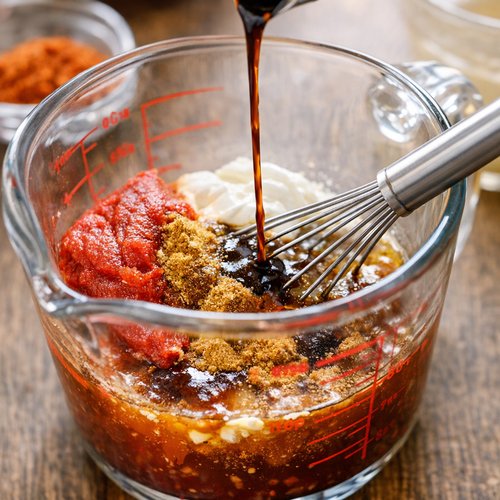
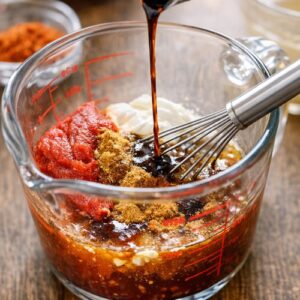
While the beef and beans are cooking, make your sauce in a separate bowl or measuring jug. This is the step that prevents lumpy sauce disasters. Add 1 tablespoon of cornstarch to a small bowl and gradually pour in your dark soy sauce while stirring constantly. Add it slowly—about a teaspoon at a time—so the cornstarch dissolves instead of clumping.
Once the cornstarch is completely dissolved and smooth, add your 2 tablespoons of oyster sauce, 2 tablespoons of honey, and 100 milliliters of lukewarm water. Stir until completely smooth. Pro tip: lukewarm water helps ingredients blend faster than cold water. Set this mixture aside.
Step 4: Combine Everything and Finish
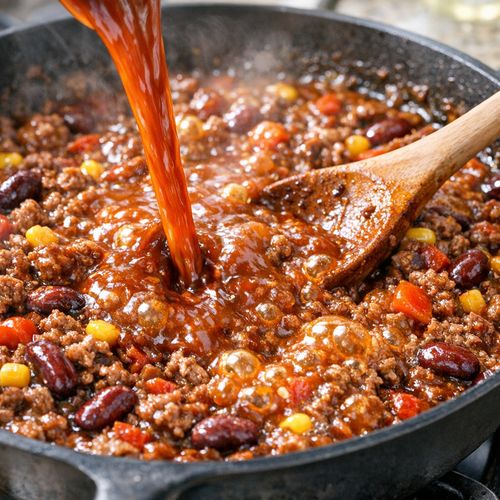
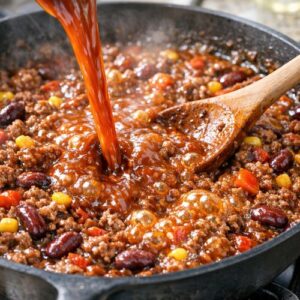
Turn your heat up to high. Pour your sauce directly into the skillet with the beef and beans. Stir constantly for 2-3 minutes. The sauce will bubble vigorously—this is exactly what you want. The cornstarch is thickening, and everything is coming together into a glossy, cohesive coating. You’ll see the liquid reduce and cling beautifully to the beef and beans.
Stop cooking as soon as the sauce has thickened. Don’t let it reduce further or the sauce becomes too thick and overly concentrated. The beef should be coated but still have visible glossy liquid in the pan.
Step 5: Plate and Garnish
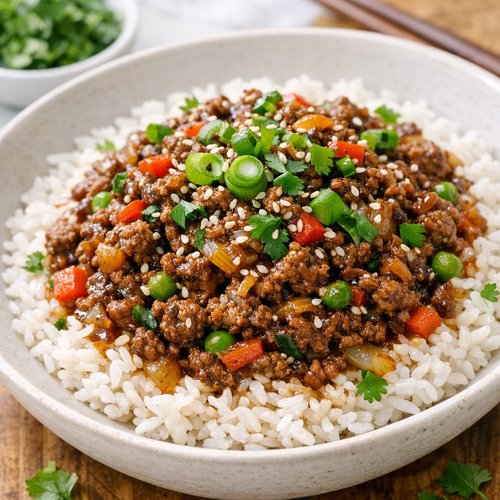
Serve immediately over steamed white rice or brown rice. The rice absorbs the sauce and becomes part of the dish rather than just a vehicle. Sprinkle with sesame seeds if you have them—they add textural contrast and a toasted nutty note that elevates the entire plate from “weeknight dinner” to “I made this myself and it’s restaurant-quality.”
Expert’s Nutritional Tip
As a registered dietitian, I want to highlight something about the soy and oyster sauces: yes, they contain sodium, but they also contain umami compounds that make our brains register “satisfying and complete.” This is crucial for budget eating because umami satisfaction means you eat less overall. A well-sauced dish of ground beef satisfies more completely than a larger portion of plain beef, which means better nutrition per dollar. You’re not just saving money—you’re actually improving satiety.
How to Stretch This Recipe Further
- Double the vegetables, not the beef – Add 150 grams more green beans, plus snap peas or broccoli. The sauce scales beautifully and you feed 5-6 people instead of 4 without significantly increasing cost. The additional vegetables cost maybe $1.50 more, but the protein stretches further per person.
- Serve over cauliflower rice for half the carbs – Regular rice costs about $0.30 per serving. Cauliflower rice costs $0.50 per serving but cuts carbs by 75%. For budget-conscious families managing blood sugar, this is worth the small upcharge. The sauce coats cauliflower beautifully.
- Turn leftovers into fried rice – If you have leftover ground beef mixture, add it to day-old rice with a beaten egg and soy sauce. You’ve created an entirely new dish from components already in your kitchen. This is how professional cooks think about stretching budgets.
- Make a triple batch and freeze in portions – Ground beef freezes beautifully for up to 3 months. I portion mine into freezer bags (flattened so they stack), which thaws in about 4 hours in the refrigerator. Making triple batches costs you less than 15 extra minutes but saves 2 future dinners.
Budget Substitutions That Don’t Sacrifice Quality
- Oyster sauce → Fish sauce: Fish sauce is cheaper per ounce and brings similar umami depth, though the flavor profile shifts slightly. Use half the amount because fish sauce is more concentrated. Cost savings: $1.50 per bottle.
- Fresh green beans → Frozen broccoli florets: Same nutritional profile, frozen broccoli costs 30% less, and it holds texture better in high heat. The dish tastes different but equally good. Cost savings: $0.50-0.75 per recipe.
- Honey → Light brown sugar or white sugar: Honey adds complexity, but sugar works functionally. Mix 1.5 tablespoons of any sugar with 0.5 tablespoon of water. Cost savings: $0.20, though you lose the subtle depth honey brings.
- Ground beef 85/15 → Ground beef 80/20: Cheaper, but renders more fat during cooking. Drain excess fat before adding aromatics or your sauce becomes greasy. Cost savings: $0.75-1.00 per pound.
Can I Store Ground Beef Stir-Fry?
Yes, and this is where your investment really pays off. Refrigerator storage: 3-4 days in an airtight container. The sauce keeps everything moist, so there’s no drying out like you might see with plain cooked beef. Reheat gently on the stovetop with a splash of water if it seems thick.
Freezer storage: up to 3 months in a freezer-safe container or bag. I portion mine into individual servings in glass containers because it defrosts faster and you can grab exactly what you need. Thaw overnight in the refrigerator, then reheat on the stovetop or microwave.
Make-ahead hack for weeknight cooking: Brown your ground beef on Sunday, store it in the refrigerator, and complete the recipe on Monday or Tuesday. The beef stays moist and you’ve cut your Monday cooking time to just 15 minutes. This is what I recommend to clients who feel overwhelmed by weeknight meals.
Common Mistakes to Avoid
- Mistake 1: Not letting the beef brown before stirring – If you stir immediately, the meat steams and never develops that caramelized crust. That crust is where half the flavor lives. Be patient for 2-3 minutes.
- Mistake 2: Making the sauce with cold water – Cold water makes cornstarch clump because the starch doesn’t hydrate smoothly. Lukewarm water solves this completely. This is the difference between silky sauce and grainy sauce.
- Mistake 3: Overshopping and buying ingredients you don’t need – I see clients buy premium oyster sauce at mainstream grocery stores (triple the price) because they don’t know where to shop. Before making this recipe, spend 10 minutes finding an Asian market. You’ll save money on this recipe and every Asian-inspired recipe you make from now on.
- Mistake 4: Cooking the sauce too long – Overcooking reduces the sauce until it’s thick and concentrated. This throws off the flavor balance and makes the finished dish taste salty. Stop the moment it thickens and coats the beef.
Seasonal Variations
Spring: Replace green beans with fresh asparagus cut into 2-inch pieces. Add snap peas for a slightly sweet note. Asparagus is cheapest March through May and brings a spring freshness.
Summer: Add fresh zucchini cut into half-moons or yellow squash. Both are abundant and inexpensive June through August. They water down slightly during cooking, so reduce your water by 25 milliliters.
Fall: Switch to baby bok choy cut in half lengthwise. It’s more affordable in fall and adds a slightly bitter edge that complements the sauce beautifully. Plus, bok choy has more nutrients per calorie than green beans.
Winter: Use frozen green beans exclusively (as mentioned, they’re frozen at peak ripeness and often cheaper). Add water chestnuts from a can for textural contrast—they’re inexpensive year-round and bring a crisp element to winter cooking.
Nutrition Information
Per serving (based on 4 servings, over rice): approximately 380-420 calories, 28-32 grams protein, 35-40 grams carbohydrates, 12-15 grams fat, 2-3 grams fiber, and 800-900mg sodium (mostly from soy sauce).
The protein-to-cost ratio here is excellent. You’re getting nearly one-third of daily protein needs for $2.10 per serving. From a USDA nutrition standpoint, ground beef provides complete protein plus B vitamins (especially B12), iron, and zinc. The green beans add fiber and vitamin K. The ginger and garlic bring anti-inflammatory compounds that, while small in quantity, add up across multiple meals.
If sodium is a concern, use reduced-sodium soy sauce (which I already recommend) and consider low-sodium oyster sauce. You lose some depth, but it brings sodium down by about 200mg per serving without sacrificing too much flavor.
What Can I Serve With Ground Beef Stir-Fry?
The beauty of this dish is its flexibility. Here are budget-friendly sides that complement it perfectly:
- Steamed white rice or brown rice – The standard choice, costs about $0.30 per serving. White rice cooks faster; brown rice has more fiber. Both absorb the sauce beautifully. Cook extra for fried rice leftovers the next day.
- Cauliflower rice – At about $0.50 per serving, it’s slightly pricier but cuts carbs dramatically. Store-bought bags are convenient for weeknight cooking, though you can rice fresh cauliflower yourself on Sundays for even less.
- Quick cucumber salad – Slice English cucumbers thin, toss with rice vinegar, a pinch of salt, and sesame seeds. Costs $0.50 total and provides cooling contrast to the warm, savory beef. This is what restaurants serve alongside stir-fries for a reason.
- Steamed bok choy or broccoli – If you want additional vegetables beyond what’s in the stir-fry, steamed greens cost $0.40-0.60 and add nutrition. Simple steaming with a drizzle of sesame oil is all they need.
- Garlic naan or simple flatbread – You can make flatbread for $0.50 with just flour and water. It soaks up sauce beautifully and transforms the meal without requiring rice. Great for when you want to change the routine.
Make-Ahead Guide for Meal Prep
Sunday Prep (30 minutes of active time): Brown your ground beef completely, let it cool, and portion into containers. Prep your garlic and ginger if using fresh (though jarred saves time). Trim and cut your green beans. Store everything separately in airtight containers.
Monday-Thursday cooking (12 minutes): Reheat beef in a skillet over medium heat, add aromatics and green beans, prepare sauce while beans cook, combine and finish. Dinner is on the table in 12 minutes.
Freezer meal prep: Brown triple batches of ground beef on one Sunday, portion into freezer bags, and flatten so they stack. Label with the date. Thaw in the refrigerator overnight and you have three premade stir-fry dinners ready to finish throughout the week.

Beef Mince Recipe
Ingredients
Method
- Place a large, deep skillet or saucepan over medium-high heat. Add your sunflower oil and let it heat for about 30 seconds—you'll notice the surface shimmering slightly, which means it's ready. Don't skip the preheat; cold oil means the beef steams instead of browning, and browning is where the flavor lives. Add your 500 grams of ground beef to the hot oil. This is the critical moment: resist the urge to stir immediately. Let it sit for 2-3 minutes. This creates a caramelized crust, which is restaurant-level flavor. Then break it into smaller pieces with your spoon and cook for another 4-5 minutes until the meat is completely cooked through with no pink remaining. You're looking for a rich brown color throughout.
- Now add your minced garlic and ginger puree directly to the cooked beef. Don't worry if you haven't minced the garlic yet—jarred or prepared garlic works perfectly and costs less. Stir everything together and let it cook for about 1 minute. Your kitchen should smell incredible at this point. This is where I know I'm doing it right. Add your green beans (fresh or frozen—there's no need to thaw frozen beans) and stir to combine. Cook for another 4-5 minutes. The beans should still have a slight firmness to them; we're not going for mushy vegetables here. If using fresh beans, they may take an extra minute compared to frozen.
- While the beef and beans are cooking, make your sauce in a separate bowl or measuring jug. This is the step that prevents lumpy sauce disasters. Add 1 tablespoon of cornstarch to a small bowl and gradually pour in your dark soy sauce while stirring constantly. Add it slowly—about a teaspoon at a time—so the cornstarch dissolves instead of clumping. Once the cornstarch is completely dissolved and smooth, add your 2 tablespoons of oyster sauce, 2 tablespoons of honey, and 100 milliliters of lukewarm water. Stir until completely smooth. Pro tip: lukewarm water helps ingredients blend faster than cold water. Set this mixture aside.
- Turn your heat up to high. Pour your sauce directly into the skillet with the beef and beans. Stir constantly for 2-3 minutes. The sauce will bubble vigorously—this is exactly what you want. The cornstarch is thickening, and everything is coming together into a glossy, cohesive coating. You'll see the liquid reduce and cling beautifully to the beef and beans. Stop cooking as soon as the sauce has thickened. Don't let it reduce further or the sauce becomes too thick and overly concentrated. The beef should be coated but still have visible glossy liquid in the pan.
- Serve immediately over steamed white rice or brown rice. The rice absorbs the sauce and becomes part of the dish rather than just a vehicle. Sprinkle with sesame seeds if you have them—they add textural contrast and a toasted nutty note that elevates the entire plate from "weeknight dinner" to "I made this myself and it's restaurant-quality."
Notes
FAQs
Can I use ground turkey or ground chicken instead of beef?
Yes, both work. Ground turkey costs about $0.75 less per pound, and ground chicken costs about the same as ground beef. The cooking time remains identical. Poultry is slightly leaner, so your finished dish is a bit lighter. The sauce works perfectly with both. Choose whichever is on sale that week.
What if I don’t have oyster sauce?
Fish sauce or soy sauce-based alternatives work. Use extra soy sauce (add 1 more tablespoon) or fish sauce (use only 1 tablespoon because it’s concentrated). The flavor won’t be identical, but you’ll still have a delicious stir-fry. Miso paste also works at about 1 tablespoon, though it changes the flavor profile more significantly.
Why does my sauce always come out lumpy?
Lumpy sauce is almost always from cold liquid hitting cornstarch. Always mix cornstarch into a small amount of liquid first (gradually, stirring constantly), then add more liquid. Warm or room-temperature liquid helps. If your sauce does get lumpy, strain it through a fine-mesh sieve—not ideal, but it works.
Can I make this in a wok instead of a skillet?
Absolutely. A wok is actually traditional for stir-fries and heats more evenly across the curved surface. The timing and method are identical. If you don’t have a wok, a large deep skillet works perfectly fine—this recipe doesn’t require specialized equipment.
How do I prevent the ground beef from becoming tough?
Two things: don’t overcook it (pull it off heat while still slightly pink if you’re nervous, it continues cooking slightly from residual heat), and avoid very lean ground beef (80/20 or 85/15 is better than 90/10). Very lean beef has almost no fat to keep it moist. Also, don’t press or mash the beef while it’s cooking—let it sit in pieces.
More Budget-Friendly Recipes
- Bertolli Alfredo Sauce Recipe With Shrimp – Creamy, elegant, and costs less than takeout when you buy shrimp on sale
- my favorite salad – Uses affordable rotisserie chicken and turns it into multiple meals throughout the week
- this cozy soup – Another ground beef winner that proves scratch cooking beats box dinners financially
- Baked Fish Taco Recipe – Uses frozen fish fillets for protein and teaches stretching ingredients across multiple meals
This ground beef stir-fry is proof that eating well doesn’t require choosing between quality and cost. You’re not settling for second-best when you cook at home with intention. You’re choosing flavor, nutrition, and financial responsibility all at once. This is what my Alaskan kitchen taught me growing up, and what I’ve spent my career helping others understand.
The next time someone tells you healthy eating is expensive, cook this dish. Show them that restaurant-quality meals happen at home for pocket change. Show them that feeding a family well is possible on any budget when you know where to shop and how to build flavor strategically. That’s the real win here.
Happy cooking!