
Ingredients
Method
Step 1: Prepare Your Oven and Equipment
- Set your oven to 400°F (or 180°C fan). This temperature is deliberate—hot enough to create a golden, slightly crispy top layer while remaining gentle enough to cook potato centers evenly. While the oven preheats, lightly butter a 9x9-inch baking dish with about ½ tablespoon of your butter, coating bottom and sides. This small gesture prevents sticking and helps the bottom layer brown. If you have an ovenproof skillet, that works beautifully too; cast iron distributes heat with particular evenness.

Step 2: Slice Your Potatoes and Onions with Precision
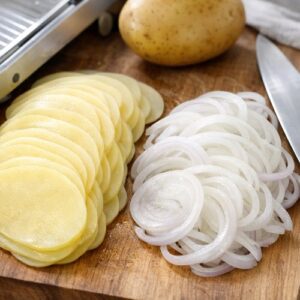
- Using a mandoline or sharp knife, slice potatoes lengthwise into pieces roughly 1/16 inch thick—thin enough to be slightly translucent. Inconsistent thickness is the #1 mistake I see; uneven slices mean some pieces cook while others remain firm. Slice your onion the same thickness, separating the slices into rings. Pat both dry with a clean kitchen towel; excess moisture interferes with the caramelization process.
Step 3: Begin the First Layer—Onions First
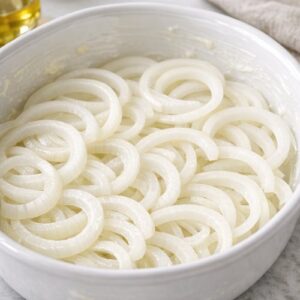
- Arrange a thin layer of onion slices across your buttered baking dish, slightly overlapping. Don't use more than one-quarter of your onion at this stage. This foundation layer infuses the entire dish with gentle sweetness. Sprinkle lightly with salt and pepper—roughly 1/8 teaspoon each—and scatter about 1/4 teaspoon of thyme leaves across the onion layer.
Step 4: Add Your First Potato Layer
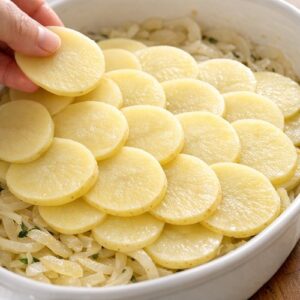
- Over the onions, arrange a layer of potato slices in overlapping rows, as if you're shingling a roof. This overlapping pattern ensures even heat distribution and creates visual appeal. Season this potato layer with salt and pepper, then dot with three or four small knobs of butter (about 1/4 tablespoon total). The butter should be distributed across the layer, not clustered in one spot.
Step 5: Continue Layering—Building Flavor and Texture
- Repeat the pattern: onion layer, seasoning, thyme, then potato layer with butter. You're building a structure that alternates between sweet (onion) and starchy (potato), with herbs and fat distributed throughout. Continue until your baking dish is full, finishing with a final layer of potatoes. I typically create 4-5 alternating layers in a standard 9x9 dish. The top should be a complete potato layer, shingled carefully; this becomes your golden crown once baked.
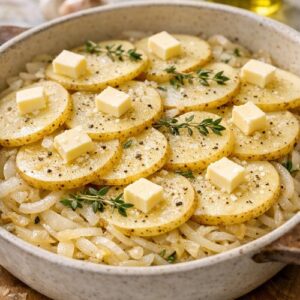
Step 6: Add the Stock and Final Butter
- Here's where precision matters: gently pour your room-temperature stock around the edges and into the gaps between potato layers. You want the liquid to come just below the top potato layer, about three-quarters of the way up the dish. Too much liquid and you create soup; too little and your bottom layers stay dry. If using cream, drizzle it across the top layer now. Place your remaining 1 tablespoon of butter (in small knobs) across the very top, then season the top layer with a final grind of salt and pepper.

Step 7: Cover and Begin Baking
- Cover your baking dish tightly with aluminum foil, shiny side down (the shiny side reflects heat and creates more even cooking). Place the covered dish on a baking sheet—this catches any drips and makes handling safer. Bake covered for 30 minutes. During this time, the liquid heats, potatoes begin softening, and steam created inside the foil gently cooks everything through.
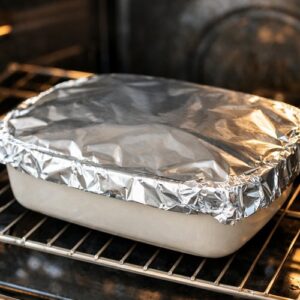
Step 8: Uncover and Finish Baking Until Golden
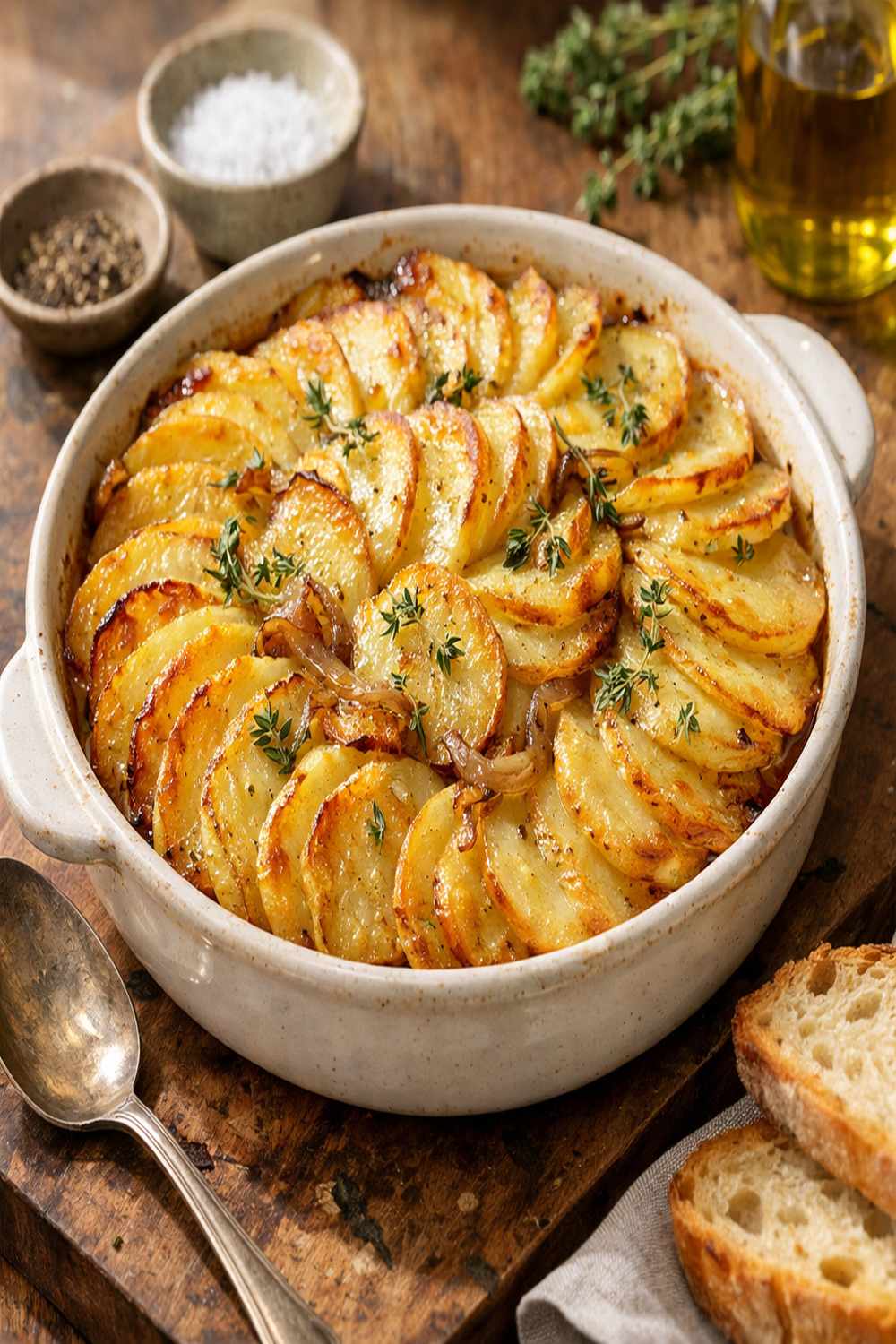
- After 30 minutes, carefully remove the foil (watch for escaping steam). The potatoes should be mostly tender when pierced with a fork. Return to the oven uncovered for another 20-30 minutes, until the top layer is deep golden brown with some edges turning crispy. The exact time depends on your oven's behavior; check at the 20-minute mark. You're looking for contrast: creamy, tender interior with a golden, slightly crispy top.
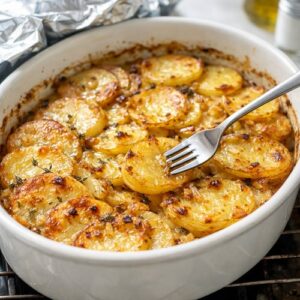
Step 9: Rest Before Serving
- Remove from the oven and let rest for 5-10 minutes before serving. This allows the starch to set slightly, making the dish easier to portion cleanly. The steam continues gently cooking the interior, and the temperature stabilizes to something you can actually eat without burning your mouth.
Notes
- Slicing potatoes too thick or inconsistently: This is the single biggest reason boulangere fails. Thick slices don't cook evenly; you end up with a crunchy top and raw center. Invest in a mandoline or practice your knife skills. Consistency matters more than perfect thinness.
- Using russet potatoes instead of waxy varieties: Russets break down during cooking and create a mealy, separated texture. Yukon Golds and fingerlings have just enough starch to thicken the sauce while maintaining their shape. Don't substitute.
- Adding all the liquid at once instead of pouring gently: Violent pouring disrupts your carefully arranged layers. Pour slowly around the edges, allowing liquid to settle gradually. This prevents your artfully shingled potatoes from shifting.
- Skipping the foil cover or removing it too early: The foil creates steam that ensures even cooking. Removing it before 30 minutes means dry, undercooked bottom layers. Patience pays off.