
Ingredients
Method
Step 1: Prep Your Vegetables and Arrange Your Workspace
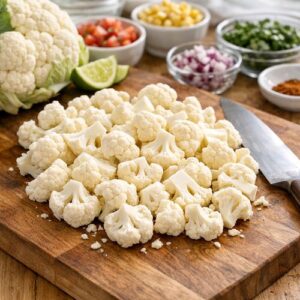
- Start by chopping your cauliflower into uniform bite-sized florets—each piece should be about the size of a large walnut or marble. Uniformity matters more than size perfection because it ensures even roasting. Smaller pieces cook faster and develop more caramelized surface area, which is exactly what we want. Place these florets into a large bowl and set aside. Peel your garlic cloves—four of them will be roasted with their skin on, and two will be peeled for raw blending later. Measure out all your spices and place them near your cauliflower. This is called mise en place, and it makes the next step seamless. Why this matters: Prep work isn't busywork—it's insurance against mistakes. When everything is measured and ready, you won't accidentally forget cumin or accidentally add too much salt because you were rushing.
Step 2: Season and Roast the Cauliflower
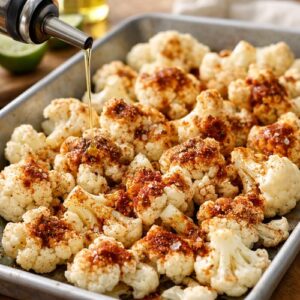
- Preheat your oven to 400°F. While it heats, drizzle your cauliflower with oil, then sprinkle cumin, chili powder, smoked paprika, and salt over the top. Toss everything together with your hands or a large spoon until every floret is coated. The oil helps the spices stick and allows them to bloom during roasting. Spread the seasoned cauliflower across two large baking sheets in a single layer. This spacing is crucial—don't crowd the pan. If pieces touch, they steam instead of roast. The hot air needs to circulate on all sides. Place these sheets on your oven's bottom rack and roast for 20 to 25 minutes. At the 12-minute mark, open the oven and give everything a gentle stir, rotating the pans if needed. You're looking for edges that turn deep golden brown—almost caramelized. The color tells you caramelization is happening. If your cauliflower is pale after 20 minutes, it needs more time. The interior should be tender enough to pierce easily with a fork, but the edges should look like they've been kissed by fire. Expert's Nutritional Tip: That caramelization isn't just delicious—it's nutritionally significant. When vegetables brown, their cell walls break down slightly, making their nutrients more bioavailable. Your body absorbs more vitamins and minerals from roasted cauliflower than from raw or boiled. This is why I always prioritize roasting in my practice as a dietitian.
Step 3: Roast Garlic and Almonds Simultaneously
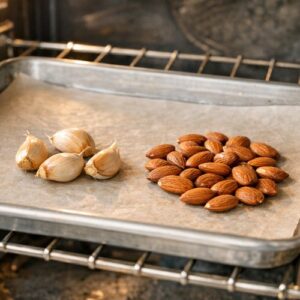
- While your cauliflower roasts, place four unpeeled garlic cloves and ¼ cup raw almonds on a separate baking sheet. Put this sheet on your oven's center rack and roast for 10 to 12 minutes. At the 8-minute mark, check your almonds—they can go from golden to burnt in seconds. If they're already dark brown and cracking, remove them immediately. The garlic will finish cooking while you're blending the sauce. The almonds' oil content makes them cook faster than garlic, so this timing separation is important. You'll know the almonds are ready when they smell nutty and toasted, and when you cut one open, the interior is light golden. The garlic is done when the skin blackens slightly and the cloves yield to gentle pressure. Let everything cool for 2 minutes, then slip the garlic cloves out of their skin—they'll practically fall out.
Step 4: Build Your Sauce Through Blending
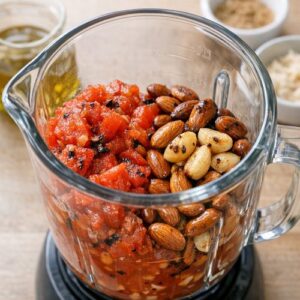
- While your vegetables finish roasting, gather your blender and all sauce ingredients. Add drained fire-roasted tomatoes, roasted almonds, roasted garlic cloves (peeled), raw garlic cloves (peeled), olive oil, lime juice, cumin, smoked paprika, salt, maple syrup, and one to two whole chipotle peppers in adobo sauce to your blender in that order. The order matters slightly—heavier ingredients first, wet ingredients last—so your blender works efficiently. Blend on high speed for 45 to 60 seconds until completely smooth and creamy. Stop and scrape down the sides with a spatula, then blend for another 20 to 30 seconds. The sauce should look like creamy tomato soup—no grainy texture, no visible almond pieces. If it seems too thick, add 2 tablespoons of water and blend again. If it's too thin, add a few more roasted almonds. Now comes the crucial step: taste your sauce and adjust the flavor profile intentionally. Dip a small spoon into the sauce and taste. Too acidic? Add ½ teaspoon more maple syrup. Not garlicky enough? Add a few more raw garlic slivers and blend again. Not smoky? Increase paprika or add another chipotle pepper. Not salty? Add a pinch of sea salt. Make these adjustments one at a time and retaste—it's easier to add than to remove.
Step 5: Warm Your Tortillas
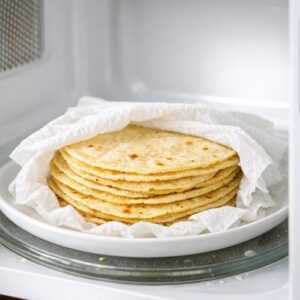
- When you're almost ready to serve, warm your corn tortillas using one of two methods: the microwave method or the oven method. For the microwave, stack your tortillas, wrap them in a damp kitchen towel, and microwave for 45 to 60 seconds until they're warm and pliable. For the oven method (my preferred approach), place tortillas directly on your oven racks—they're still warm at this point—for 2 to 3 minutes until they're heated through. This second method gives tortillas a slightly charred edge that adds flavor. Tortillas that are warm are pliable and won't tear; cold tortillas crack when you fill them.
Step 6: Assemble and Serve
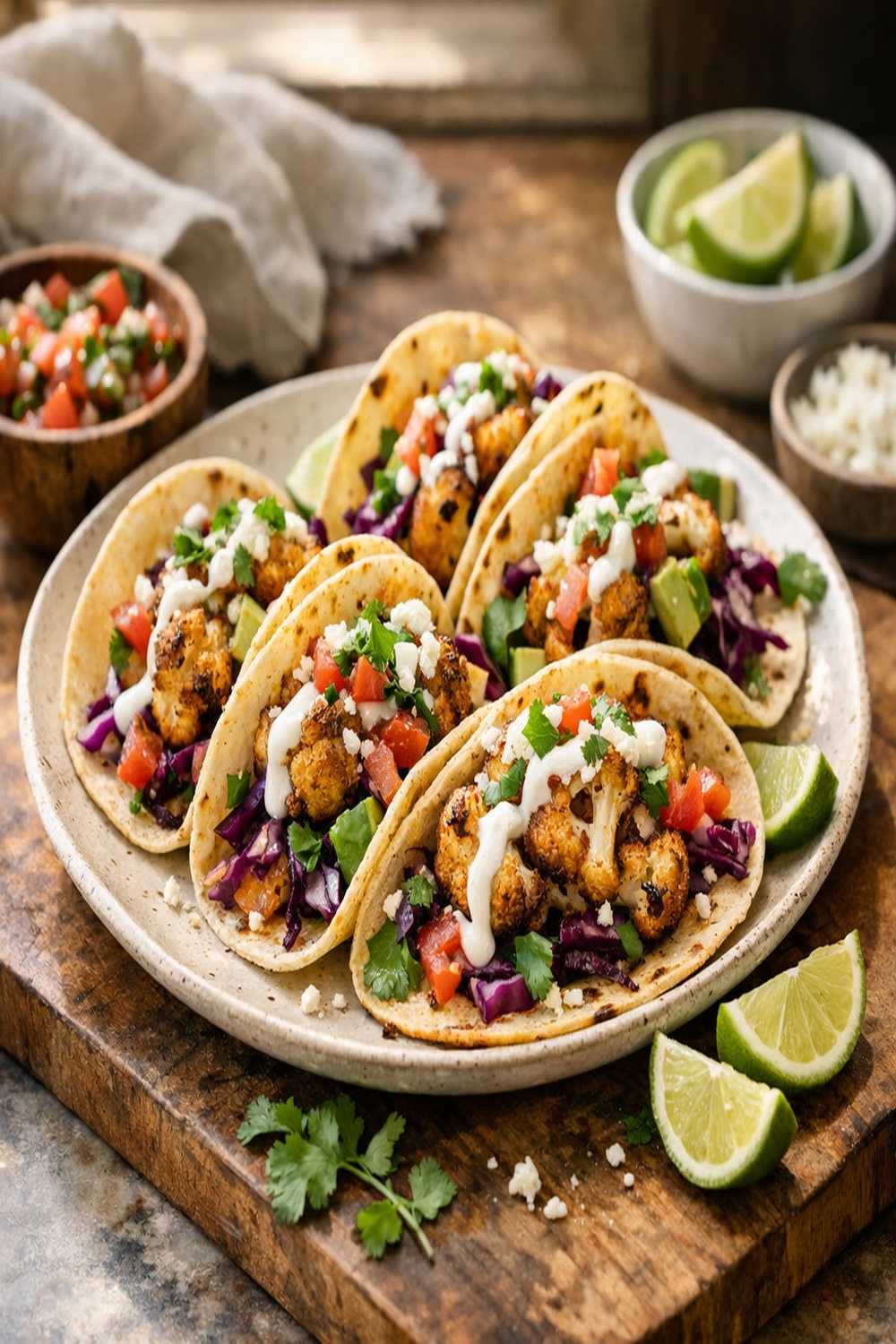
- Build each taco by spreading 1 to 2 tablespoons of romesco sauce on a warm tortilla, then adding a generous handful of roasted cauliflower. This ratio—more sauce than you think you need, then plenty of cauliflower—is the balance that makes these tacos sing. Top with thin slices of red cabbage for crunch, a sprinkle of pepitas for protein and nutrition, fresh avocado slices, and cilantro if you're using it. Finish with a squeeze of lime juice just before eating. The acid brightens everything and brings the flavors into focus.
Notes
- Crowding the baking sheet causes steaming instead of roasting - if your cauliflower comes out pale and mushy instead of golden and crispy, you packed too many pieces on one pan. The steam from adjacent pieces prevents browning. Solution: use three baking sheets instead of two, or roast in batches.
- Over-roasting almonds creates bitter sauce - almonds toast quickly and turn bitter easily. If your sauce tastes acrid or burnt, you left the almonds in too long. Solution: roast for exactly 10 minutes, check at 8, and remove immediately when golden. Once you've made this mistake once, your timing instincts will adjust permanently.
- Not enough seasoning in the cauliflower means bland tacos - I see this often with people who reduce salt thinking it's healthier. The truth is, salt makes vegetables taste like the best version of themselves. If your cauliflower tastes flat, increase salt by ¼ teaspoon and try again. The difference will shock you.
- Raw garlic sauce tastes too sharp and pungent - if your romesco sauce makes you pucker or tastes overwhelmingly garlicky, you used too much raw garlic. Remember: you're using both raw and roasted garlic. The roasted garlic is already sweet and mellow, so the raw garlic's job is just to add brightness. Stick to two medium cloves max.