Charlotte Shapiro
There’s nothing quite like a steaming bowl of noodle soup when you need warmth, nutrition, and comfort all at once. I discovered my love for this dish while working with families across Alaska who wanted faster, healthier dinners without sacrificing flavor. This recipe pairs beautifully with lighter appetizers like Cheese Wontons Recipe, and it’s hearty enough to stand alone as a complete meal.
Why This Humble Bowl Changed My Kitchen Philosophy
I remember sitting in my small Anchorage kitchen on a brutally cold February evening, watching my young daughter push away yet another complicated dinner I’d spent hours preparing. She pointed at the pot of simmering broth my grandmother had left me and asked, “Can we just have that?”
That moment taught me what I now share with every client: the most nourishing meals are often the simplest ones. From that night forward, I became obsessed with building depth of flavor through minimal ingredients and maximum intention. This Asian noodle soup represents that philosophy perfectly—it’s what happens when you respect each ingredient enough to let it shine, rather than burying it under unnecessary complexity.
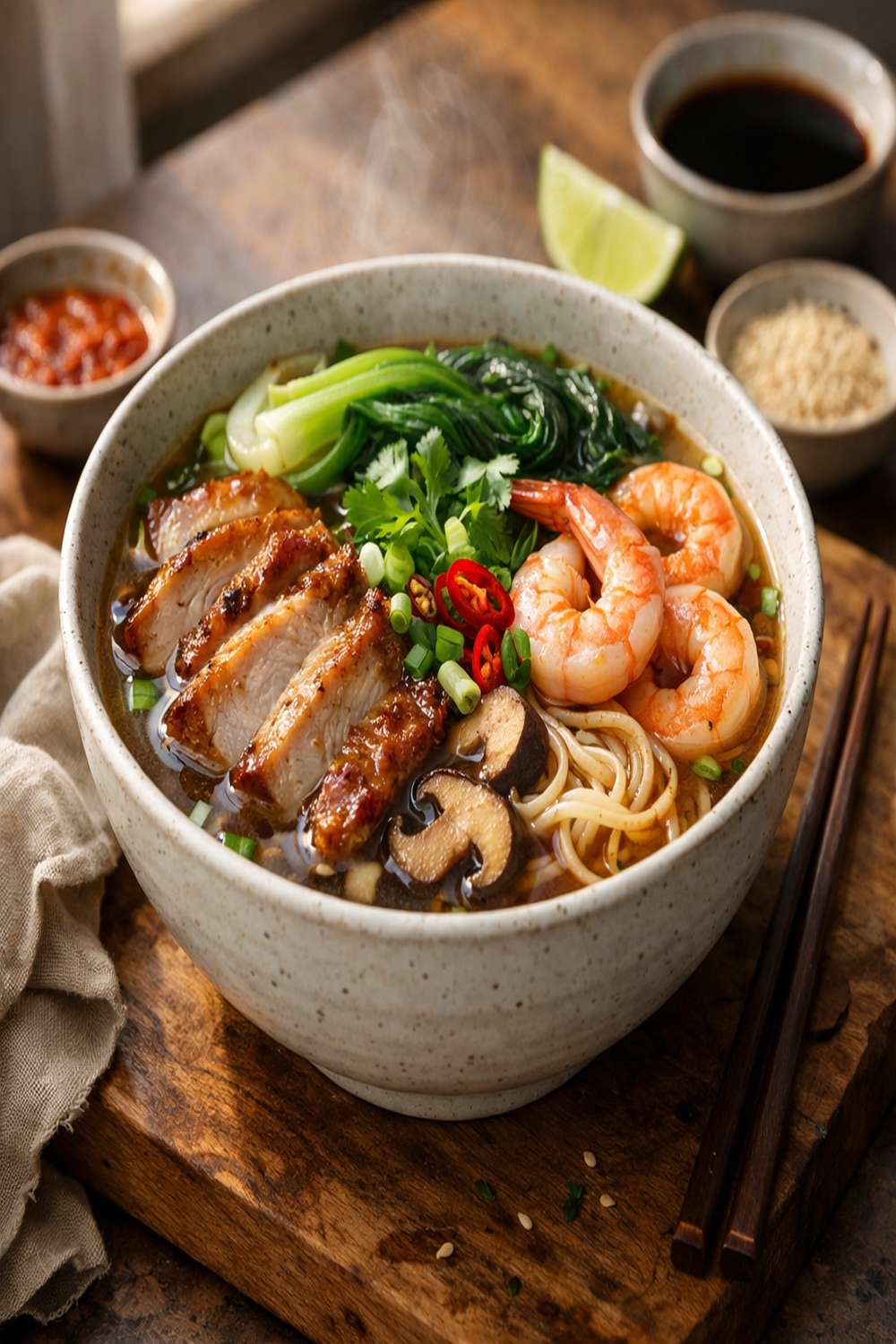
What is Asian Noodle Soup?
Asian noodle soups represent centuries of culinary wisdom across multiple cultures—from Japanese ramen to Chinese wonton noodles to Vietnamese pho traditions. What unites them is the foundational respect for a properly made broth, tender noodles, and vegetables that add both nutrition and textural contrast.
The beauty of this particular version lies in its flexibility and speed. Unlike traditional broths that simmer for 12 hours, this recipe starts with quality stock and builds umami depth through carefully chosen ingredients. The result tastes like it’s been simmering all day, but you’ll have dinner on the table in about 30 minutes—perfect for those of us managing full lives while refusing to compromise on nutrition.
Why You’ll Love This Asian Noodle Soup Recipe
- Ready in 30 minutes – No advance planning required. This works for busy weeknights when you need real food, not takeout
- Deeply satisfying broth – The combination of oyster sauce, soy layers, and quality stock creates umami richness that makes your body feel genuinely nourished
- Built-in nutrition – Fresh greens wilt directly into the broth, preserving nutrients and adding minerals without extra steps
- Customizable to your pantry – Once you understand the ratio and technique, you can adapt this endlessly based on what’s available
- Affordable and practical – These ingredients keep well and actually cost less than a single restaurant bowl
- Naturally anti-inflammatory – The combination of alliums, fermented soy products, and broth creates an anti-inflammatory base that supports recovery and digestion
The Ingredients
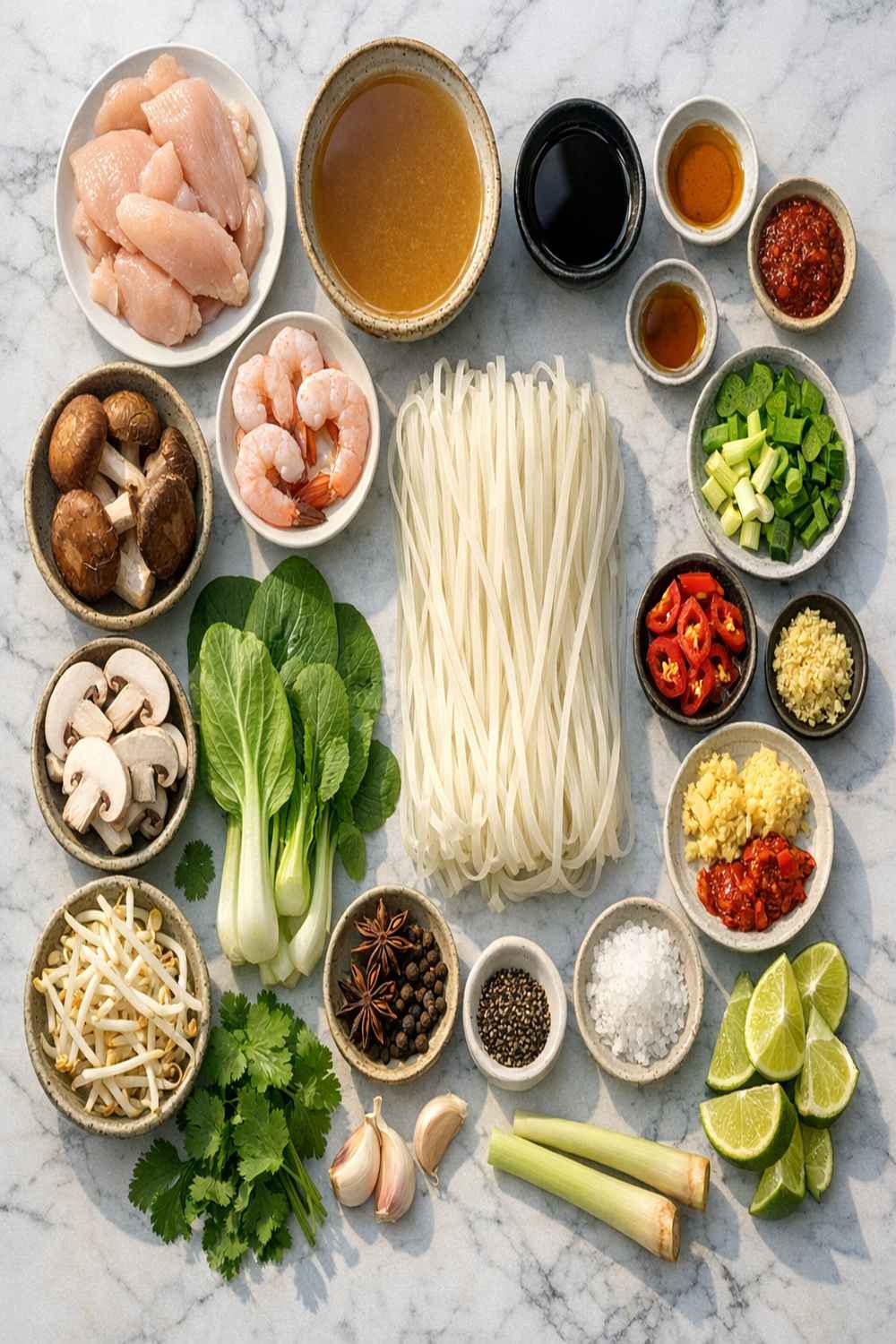
I’ve organized these ingredients by how I actually use them in the cooking process. Each one serves a specific purpose, and understanding that purpose helps you make smart substitutions when needed. Notice I’ve kept the list intentionally lean—this is what “30-minute” actually looks like in my kitchen.
- 1 tablespoon low-sodium soy sauce (the first layer of salt and umami)
- 1 tablespoon oyster sauce (adds savory depth; always taste-test your brand first, as salt levels vary)
- 4 leaves bok choy or Asian greens (sliced crosswise, keeps 5-7 days when stored properly in a perforated container)
- ½ teaspoon sesame oil (not included in original recipe, but essential for that authentic finish; adds dimension without heaviness)
- 3 green onions (white and light green parts sliced into thin rings; freeze the dark green tops separately for garnish)
- 4 oz dried Asian noodles (any style you prefer—ramen, wheat, egg noodles all work beautifully)
- 1 tablespoon additional low-sodium dark soy sauce (adds complexity; hold this back and taste before adding—you may not need it all)
- 4 cups chicken stock (homemade preferred, but good quality store-bought works; room temperature is fine)
- 1 small piece fresh ginger (about ¼ inch, minced; optional but transforms the broth into something truly special)
How to Make Asian Noodle Soup?
I’m going to walk you through this step-by-step, with my professional observations about what you’re actually looking for at each stage. Pay attention to the sensory cues—that’s how you develop the confidence to adjust seasonings and techniques based on your specific ingredients and preferences.
Step 1: Start Your Broth Base
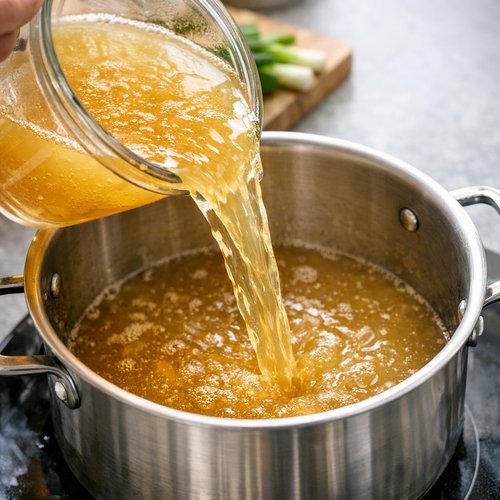
Pour your 4 cups of chicken stock directly into a large saucepan or small pot. If using homemade stock, no need to strain it further—those gelatin-rich bits are liquid gold for nutrition. If using store-bought, check the sodium content; if it’s already salty, you may need less soy sauce later. Place the pot over medium-high heat and watch for the first bubbles to break the surface, which should happen in about 4-5 minutes depending on your stove.
While the stock heats, prepare your ingredients. This is my version of mise en place—having everything ready means you’re not scrambling mid-cook, and it helps you control the final flavor. Slice your bok choy into ½-inch pieces (keeping stems separate from leaves), slice your green onions into thin rings, and if using ginger, mince it finely.
Step 2: Build the Flavor Foundation
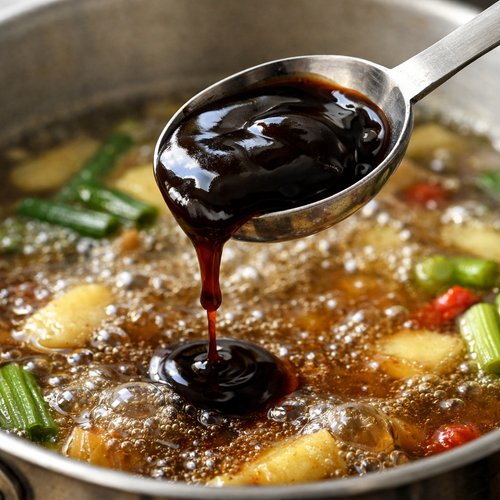
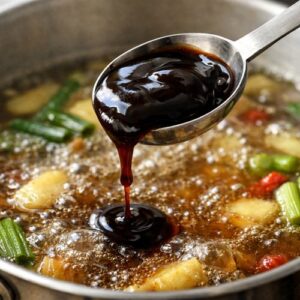
Once your stock is actively simmering (you’ll see consistent bubbles breaking across the surface), add your oyster sauce, the first tablespoon of low-sodium soy sauce, and your minced ginger if using it. Stir well and let it incorporate for about 30 seconds. You’re looking for that distinct savory aroma to lift from the pot—that’s when you know the flavors are activating properly.
Taste a small spoonful of broth now. It should taste rich and slightly salty, with depth underneath. If it tastes thin or flat, the aromatics haven’t had time to develop. This is totally normal; they will deepen as the broth simmers. This step typically takes about 1-2 minutes total.
Step 3: Add Your Noodles
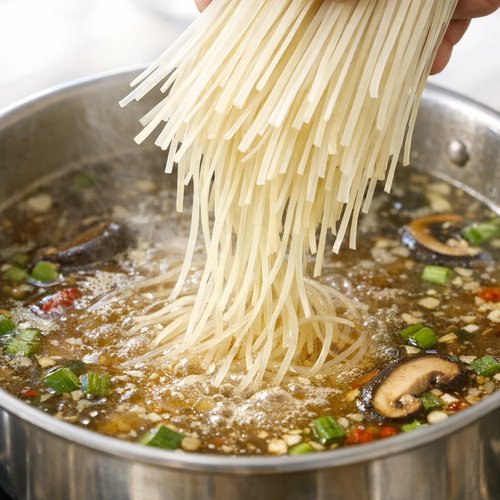
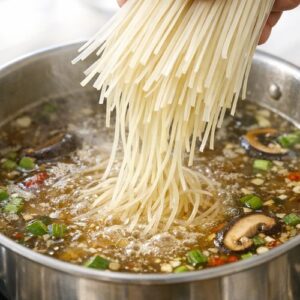
Pour your dried noodles directly into the simmering broth. The broth will immediately cool slightly as the noodles absorb liquid—this is exactly what should happen. Stir gently to separate any noodles that are clumping together. Now check your noodle package for cooking time (usually 6-8 minutes for dried Asian noodles, but this varies significantly by type and brand).
Set a timer for the amount specified on your package, minus about 1 minute. You want the noodles to be just barely tender, not soft or mushy. This is one place where most home cooks make mistakes—they cook noodles all the way to “done” and end up with a mushy bowl. We’re aiming for that slight resistance when you bite through, which means the noodles will continue softening slightly after you pull the pot from heat.
Step 4: Add Your Greens
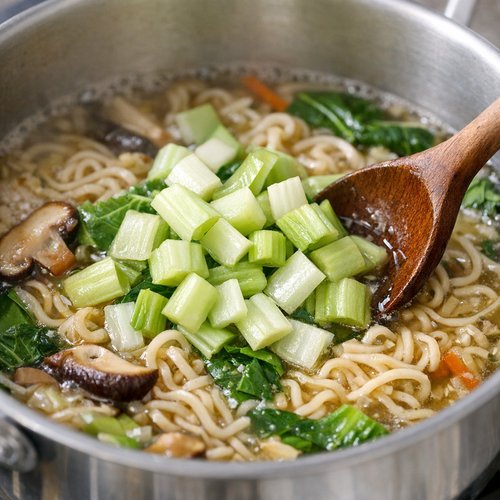
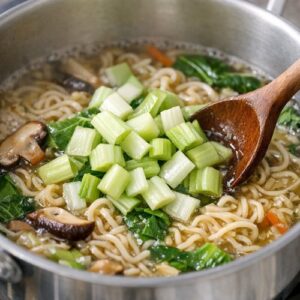
About 1 minute before your noodles finish cooking, add your sliced bok choy stems first (they take longer to soften). Give everything a gentle stir, then let it cook for 45 seconds. Add the leafy parts of your bok choy, stir again, and let everything cook for the final 15 seconds. The residual heat will wilt the leaves perfectly while keeping them bright and nutritious.
This timing is crucial because overcooked bok choy becomes sulfurous and unpleasant. You want it tender but still vibrant in color—that visual cue tells you the nutrients are still intact, and that’s what my clinical training tells me matters most for your body’s ability to absorb the vitamins and minerals.
Step 5: Season and Finish
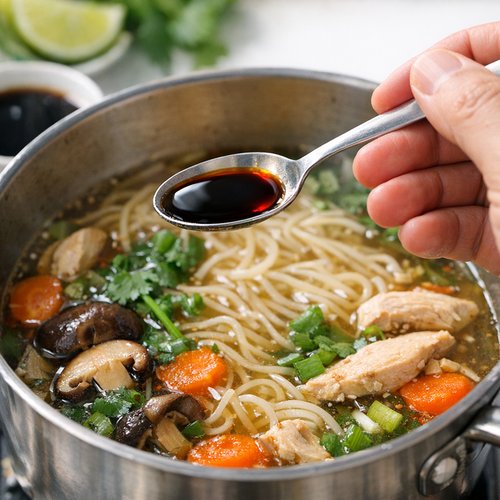
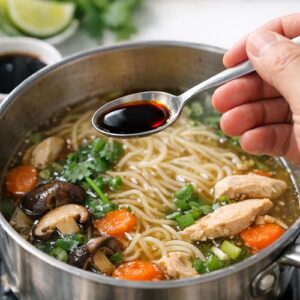
Turn off the heat. Take a small spoonful of broth and taste it. At this point, you’ll decide about the additional dark soy sauce. This ingredient adds complexity and deeper umami, but it can also make the broth taste one-dimensional if you add too much. I typically add about half of that tablespoon, stir it in, taste again, and then decide if I need the rest.
Once you’re satisfied with the salt level and depth, divide the soup between two bowls (this recipe serves 2 generously, with noodles and broth in perfect proportion). Drizzle ¼ teaspoon of sesame oil over each bowl—this final touch adds richness and an almost nutty aroma that feels luxurious without being heavy. Top with your sliced green onion rings, including some of those dark green tops you reserved. Serve immediately while everything is piping hot.
Expert’s Nutritional Insight
As a registered dietitian, I want to highlight something important about the soy sauce in this recipe. Both regular and dark varieties contain naturally fermented compounds called isoflavones, which research through USDA nutritional databases shows support bone health and hormone balance in ways that unfermented soy products don’t.
The key is using low-sodium versions and tasting as you go. This approach gives you all the benefits of fermented soy’s nutritional profile while keeping sodium reasonable (about 600mg per bowl, which is manageable within a 2,300mg daily target). Many people avoid soy products thinking they’re unhealthy, but it’s really about sourcing and proportion—exactly what this recipe teaches you.
Tips and Tricks
- Stock quality changes everything – If you have access to homemade stock (especially bone broth), use it. The gelatin and collagen add nutritional depth that drives flavor naturally, meaning you need less salt to taste satisfied. My Alaska-based clients often make stock in bulk during salmon season and freeze it in ice cube trays for exactly this purpose
- The green onion hack – Slice your green onions, then store the white and light green parts in an airtight container and the dark green tops in a separate freezer bag. The white parts keep fresh for about 10 days and work beautifully in soups like this one. The dark green tops freeze indefinitely and add color and mild flavor to finished dishes without the “cooked onion” taste that happens when dark greens simmer too long
- Bok choy storage matters – Store bok choy in a perforated plastic container in your refrigerator’s vegetable drawer, not in a sealed bag (which creates moisture and rot). Stored correctly, quality bok choy stays crisp and ready for 5-7 days. I learned this from working with families managing multiple servings throughout the week
- Taste progressively, not at the end – In my clinical nutrition work, I teach clients to taste at each stage rather than trying to correct flavor at the end. Once everything is cooked together, it’s harder to adjust. This soup teaches that skill beautifully because soy sauce layers in over time
- Sesame oil is not optional – I know it’s not in the original recipe, but after years of making this for clients and my own family, I can tell you that ¼ teaspoon per serving is the difference between “pretty good” and “why does restaurant soup taste better?” It adds mouthfeel and aroma without adding fat calories in any meaningful way
- Fresh ginger transforms it – A tiny piece of fresh ginger (about the size of your thumbnail, minced) adds warming properties and anti-inflammatory compounds that feel especially good during Alaska’s cold months. This is medicine and flavor working together, which is how I approach all cooking
Make-Ahead Guide
While this soup is designed for quick weeknight cooking, I know real life sometimes requires planning ahead. Here’s how to break it into components:
The broth base (3-4 days ahead): Prepare steps 1-2 completely, let the broth cool to room temperature, then refrigerate in a covered container. When you’re ready to serve, simply reheat gently over medium-high heat, then jump to step 3. This is what I recommend for clients meal prepping on Sundays.
The noodles (1-2 hours ahead maximum): Do NOT cook noodles in advance if you want them to stay tender. However, you can cook them, drain them completely, toss with a tiny bit of sesame oil to prevent sticking, and hold them in a separate container. When reheating, add them to the hot broth for just 30 seconds to warm through rather than cooking them again. They’ll be perfectly tender without becoming mushy.
The vegetables (3-4 days ahead): Slice bok choy and green onions as described in the ingredients section. Store each component separately in airtight containers. This is the biggest time-saver—when you’re ready for dinner, you literally just dump everything into heating broth.
Can I Store Asian Noodle Soup?
Here’s where I’m honest about a limitation: this soup is best enjoyed immediately after cooking, while noodles are still at their ideal texture. However, life isn’t always ideal, so here’s what actually works:
Refrigeration (up to 2 days): If you have leftovers, store the broth separately from the noodles. Place broth in a covered container and noodles in another. The noodles will continue softening as they sit in liquid, so separating them prevents mushiness. To reheat, warm the broth gently (medium heat, about 3-4 minutes), then add noodles for just 30 seconds to warm through. Add fresh green onion garnish after reheating for brightness.
Freezing (up to 3 months): The broth freezes beautifully in any freezer-safe container. Noodles are less successful when frozen—they develop a strange texture when thawed. Instead, freeze just the broth, and when you’re ready to use it, thaw overnight in the refrigerator, reheat, and cook fresh noodles. This actually works wonderfully for busy weeks when you’ve made broth ahead.
Bok choy storage note: Don’t cook your bok choy in advance and refrigerate it with the broth. The greens will become mushy and develop sulfurous flavors. Always add fresh greens right at the end of cooking, even if you’ve made the broth days ahead.
Nutrition Information
Based on USDA nutritional database standards, one serving (approximately 2 cups) contains roughly 280 calories, with 12g protein from the stock and noodles, 6g fat (mostly from sesame oil’s anti-inflammatory compounds), and 42g carbohydrates primarily from the noodles. Sodium content totals approximately 600mg per serving, which is reasonable when you’re controlling salt additions through low-sodium versions.
The nutritional profile reflects what my clinical experience shows: this meal satisfies hunger through protein, provides sustained energy from complex carbohydrates (especially if you choose whole wheat noodle options), and delivers micronutrients from the bok choy. The fermented soy components contain bioavailable isoflavones that research shows support bone density, particularly important for those of us in northern climates where seasonal vitamin D production is limited.
One important note: if you use regular (not low-sodium) soy sauce and oyster sauce, sodium can climb to 1,200mg per serving. This is why I specifically call for low-sodium versions—it’s not about restriction, it’s about flavoring properly without creating unintended sodium load. Your taste buds actually adapt within a few weeks, and you’ll find regular versions taste aggressively salty once you’ve eaten prepared-with-intention food for a while.
What Can I Serve With Asian Noodle Soup?
This soup is beautifully complete on its own, but I’ve learned that serving it with complementary dishes makes the meal feel more intentional and satisfying. Here are my go-to combinations, especially when I’m hosting or when my family is extra hungry:
- Crispy baked fish tacos – The lightness of Baked Fish Taco Recipe provides textural contrast and additional protein if you’re feeding athletes or growing kids. The tacos’ crunch against the soup’s smoothness creates a really satisfying meal
- Simple steamed edamame – A small side of salted edamame pods (about ¼ cup) adds interactive eating and extra plant-based protein. There’s something meditative about popping beans from pods while you sip soup
- Pickled ginger and vegetables – A small jar of quick-pickled carrots and ginger adds brightness and digestive enzymes that support nutrient absorption. Make a batch on Sunday and you have it all week
- Cheese wontons for crunch – If you want to make this soup feel more special or indulgent, Cheese Wontons Recipe adds textural contrast and richness. Crisp wontons floating in the broth just before serving makes it feel restaurant-quality
- Sesame seed crackers – Something simple with roasted sesame seeds lets you sip soup while adding textural interest without competing for flavor attention
- A side salad with vinaigrette – If you want more vegetables (and who doesn’t?), a small crisp salad with a ginger-sesame dressing echoes the soup’s flavor profile while adding raw vegetable enzymes
Common Mistakes to Avoid
Mistake 1: Cooking noodles too long in the broth – This is the most common error I see when teaching families. Remember, noodles continue softening as they sit, and the heat of the broth keeps cooking them even after you remove the pot from the stove. Cook them 1 minute less than the package suggests, pull the pot from heat, and you’ll have perfect texture every time. This difference feels small but makes the entire eating experience better.
Mistake 2: Adding all your bok choy at once – The stems take nearly twice as long to soften as the leaves. Adding them together means you either have crunchy stems and mushy leaves, or mushy leaves and barely-softened stems. Separating them by 45 seconds solves this completely. This is the kind of detail that separates “good enough” from “actually delicious.”
Mistake 3: Skipping the taste-as-you-go approach – Many people see a recipe, follow it exactly, then wonder why their soup tastes flat. Soy sauce brands vary wildly in saltiness, stock qualities differ, and personal taste preferences matter. Tasting at step 2 (after you’ve added the base seasonings) helps you calibrate whether you need more, less, or different flavoring. This develops your confidence and your palate simultaneously.
Mistake 4: Using poor-quality stock – I’ll be direct: this recipe lives or dies on broth quality. If you use weak or overly salty stock, no amount of careful seasoning will save it. Invest in good quality, ideally with minimal additives. My Alaskan families who make their own stock using fish or chicken bones see results that justify the effort entirely.
Substitutes
- Vegetable stock instead of chicken stock – Works beautifully if you’re vegetarian or vegan. Just taste carefully at step 2, as vegetable stocks are sometimes thinner and may need slightly more oyster sauce to build depth (or substitute with mushroom-based umami, like miso or tamari)
- Any tender Asian green instead of bok choy – Gai lan, Chinese broccoli, mizuna, or even spinach all work. Adjust timing based on how delicate the green is—spinach needs maybe 15 seconds, while heartier greens need the full timing
- Tamari or coconut aminos for soy sauce – If you’re avoiding soy or gluten, tamari is your direct substitute (use the same amounts). Coconut aminos work too, though they taste slightly different and less salty, so you may need to adjust upward slightly and taste as you go
- Fish sauce instead of oyster sauce – This is more pungent, so use less: try ½ teaspoon instead of 1 tablespoon, then taste and build from there. Fish sauce creates deeper umami but has a distinctive flavor that’s not for everyone
- Dried egg noodles, ramen, or even small pasta – Any thin noodle works. Cooking time varies, so follow the package and adjust the 1-minute-early approach accordingly. Rice noodles cook even faster (usually 4-5 minutes), so account for that timing difference
- Regular sodium soy sauce – You can absolutely use it, just be aware you’ll be adding more salt overall. Use ½ tablespoon of regular soy sauce instead of 1 tablespoon of low-sodium, and skip the dark soy sauce entirely until you taste. This way you maintain flavor while controlling sodium load
- Sriracha or chile oil for heat – Not in the original recipe, but drizzle a tiny amount on top if you like spicy. I’m not adding it to the cooking process because soup temperature already creates enough volatility for spice perception
Seasonal Variations
Winter (November-March in Alaska): Add more ginger (up to ½ inch piece) for warming properties. Include a star anise or two during the simmering stage for warming spice aromatics. Substitute any heartier green—kale, collards, or thick-stalked greens that can stand more cooking time. I sometimes add a tiny pinch of white pepper for extra warmth.
Spring: Use the most tender bok choy you can find—spring bok choy is smaller and more delicate, which means you can add it all at once without separating stems and leaves. Add fresh herbs like cilantro or green onion tops more generously. This is when the soup feels bright and fresh rather than warming.
Summer: Serve at a slightly lower temperature (still warm, but not piping hot), which some clients prefer during heat waves. Add more vegetables like thinly sliced mushrooms or zucchini. Use lighter, more delicate noodles. The broth can stay the same, but the overall experience feels less heavy.
Fall: Add a small piece of dried shiitake mushroom to the broth while simmering—it adds earthy depth that complements autumn feeling. Incorporate more fermented elements like miso stirred in at the very end. Include darker greens with more mineral content.

Asian Noodle Soup Recipe
Ingredients
Method
- Pour your 4 cups of chicken stock directly into a large saucepan or small pot. If using homemade stock, no need to strain it further—those gelatin-rich bits are liquid gold for nutrition. If using store-bought, check the sodium content; if it's already salty, you may need less soy sauce later. Place the pot over medium-high heat and watch for the first bubbles to break the surface, which should happen in about 4-5 minutes depending on your stove. While the stock heats, prepare your ingredients. This is my version of mise en place—having everything ready means you're not scrambling mid-cook, and it helps you control the final flavor. Slice your bok choy into ½-inch pieces (keeping stems separate from leaves), slice your green onions into thin rings, and if using ginger, mince it finely.

- Once your stock is actively simmering (you'll see consistent bubbles breaking across the surface), add your oyster sauce, the first tablespoon of low-sodium soy sauce, and your minced ginger if using it. Stir well and let it incorporate for about 30 seconds. You're looking for that distinct savory aroma to lift from the pot—that's when you know the flavors are activating properly. Taste a small spoonful of broth now. It should taste rich and slightly salty, with depth underneath. If it tastes thin or flat, the aromatics haven't had time to develop. This is totally normal; they will deepen as the broth simmers. This step typically takes about 1-2 minutes total.
- Pour your dried noodles directly into the simmering broth. The broth will immediately cool slightly as the noodles absorb liquid—this is exactly what should happen. Stir gently to separate any noodles that are clumping together. Now check your noodle package for cooking time (usually 6-8 minutes for dried Asian noodles, but this varies significantly by type and brand). Set a timer for the amount specified on your package, minus about 1 minute. You want the noodles to be just barely tender, not soft or mushy. This is one place where most home cooks make mistakes—they cook noodles all the way to "done" and end up with a mushy bowl. We're aiming for that slight resistance when you bite through, which means the noodles will continue softening slightly after you pull the pot from heat.
- About 1 minute before your noodles finish cooking, add your sliced bok choy stems first (they take longer to soften). Give everything a gentle stir, then let it cook for 45 seconds. Add the leafy parts of your bok choy, stir again, and let everything cook for the final 15 seconds. The residual heat will wilt the leaves perfectly while keeping them bright and nutritious. This timing is crucial because overcooked bok choy becomes sulfurous and unpleasant. You want it tender but still vibrant in color—that visual cue tells you the nutrients are still intact, and that's what my clinical training tells me matters most for your body's ability to absorb the vitamins and minerals.
- Turn off the heat. Take a small spoonful of broth and taste it. At this point, you'll decide about the additional dark soy sauce. This ingredient adds complexity and deeper umami, but it can also make the broth taste one-dimensional if you add too much. I typically add about half of that tablespoon, stir it in, taste again, and then decide if I need the rest. Once you're satisfied with the salt level and depth, divide the soup between two bowls (this recipe serves 2 generously, with noodles and broth in perfect proportion). Drizzle ¼ teaspoon of sesame oil over each bowl—this final touch adds richness and an almost nutty aroma that feels luxurious without being heavy. Top with your sliced green onion rings, including some of those dark green tops you reserved. Serve immediately while everything is piping hot.
Notes
FAQs
Can I make this soup with seafood instead of chicken stock?
Absolutely, and in fact, I recommend it to my Alaska-based clients who have access to quality fish or seafood stock. Use the same volume of seafood stock, but taste carefully at step 2—seafood broths are often more delicate, so you may need slightly less soy sauce to avoid overpowering the subtle flavors. Omit the oyster sauce entirely and substitute with a teaspoon of miso paste dissolved into the warm broth instead. You’ll achieve incredible depth without the heaviness that oyster sauce brings to delicate broths.
Is this recipe keto-friendly?
Not in its current form because the noodles provide substantial carbohydrates. However, you can absolutely adapt it by replacing the 4 oz noodles with zucchini noodles, shirataki noodles, or even just doubling your vegetable quantity. The broth itself is keto-friendly, and all the seasonings work perfectly. When I work with clients following lower-carb approaches, they often love this recipe adapted—it provides the same satisfaction with less carbohydrate load.
What if I don’t have oyster sauce—can I really skip it?
You can, but I wouldn’t recommend it as your first choice. Oyster sauce adds savory depth that the soy sauce alone doesn’t quite replicate. If you truly don’t have it and won’t have access soon, try substituting with ½ teaspoon of miso paste (dissolved into the warm broth) plus an additional ½ tablespoon of soy sauce. It’s not identical, but it gets you most of the way there. That said, oyster sauce is worth purchasing—it keeps indefinitely in your pantry and transforms countless dishes.
Can I make this with instant ramen packets?
Technically yes, but I recommend discarding the flavor packet that comes with instant ramen and using your homemade broth instead. Instant ramen packets are designed for convenience, not quality, and they often contain excessive sodium and additives. The noodles themselves are fine (they’re just deep-fried then dried), but you’ll get dramatically better results using your own broth base. This is actually one of my favorite cost-saving hacks for families on budgets—buy the cheaper instant ramen noodles but always discard the packet.
How can I make this recipe more substantial for a complete meal?
Add a protein directly to the bowl: poached chicken breast sliced thin, soft tofu cubed, a soft-boiled egg halved, or cooked shrimp all work beautifully. Add them after plating but before serving so they stay warm. You could also double your vegetable quantity by adding mushrooms, carrots, or snap peas. My clients who are athletes or very active often make this for lunch, but they add a 4-6 oz protein portion to make it genuinely filling. The broth is nutritious but light, so adding protein doesn’t change the cooking technique—just the nutritional profile.
More Recipes You’ll Love
- Asian Tilapia Recipe – A quick pan-seared fish that echoes this soup’s flavor profile and cooks in about 12 minutes, perfect for serving alongside
- Cheese Wontons Recipe – Make these ahead and crisp them fresh, then float them in your soup for textural contrast and richness
- Baked Fish Taco Recipe – A lighter complement that provides crunch and freshness alongside your warm, silky soup
Final Thoughts: The Simplest Meals Teach the Most
This recipe represents everything I believe about cooking: that taking care with basic technique and quality ingredients creates results that make your body feel genuinely nourished. There’s no elaborate equipment needed, no hours of planning, no complicated substitutions to figure out.
What you’re really learning here is how to taste progressively, how to understand your ingredients, and how to build flavor intentionally rather than masking weak components under heaviness. Those skills transfer to every meal you’ll ever make. I’ve watched clients become genuinely confident home cooks because they learned this one soup and then applied that confidence everywhere else.
My daughter is now old enough to help me make this soup, and she tastes at each stage just like I do. She understands why we add green onions at the very end and why we cook noodles one minute less than the package suggests. She’s learning that food can be simple, nourishing, and completely delicious simultaneously.
That’s the magic I keep chasing in my kitchen, and it’s what I hope you’ll find here too. Make this soup this week. Taste it carefully. Notice what happens when you respect the cooking process. Then come back and make it again, because the second time through, you’ll understand it even more deeply.
Happy Cooking!