Chunky Sweet Potato Casserole Recipe
This post contains affiliate links. As an Amazon Associate I earn from qualifying purchases.
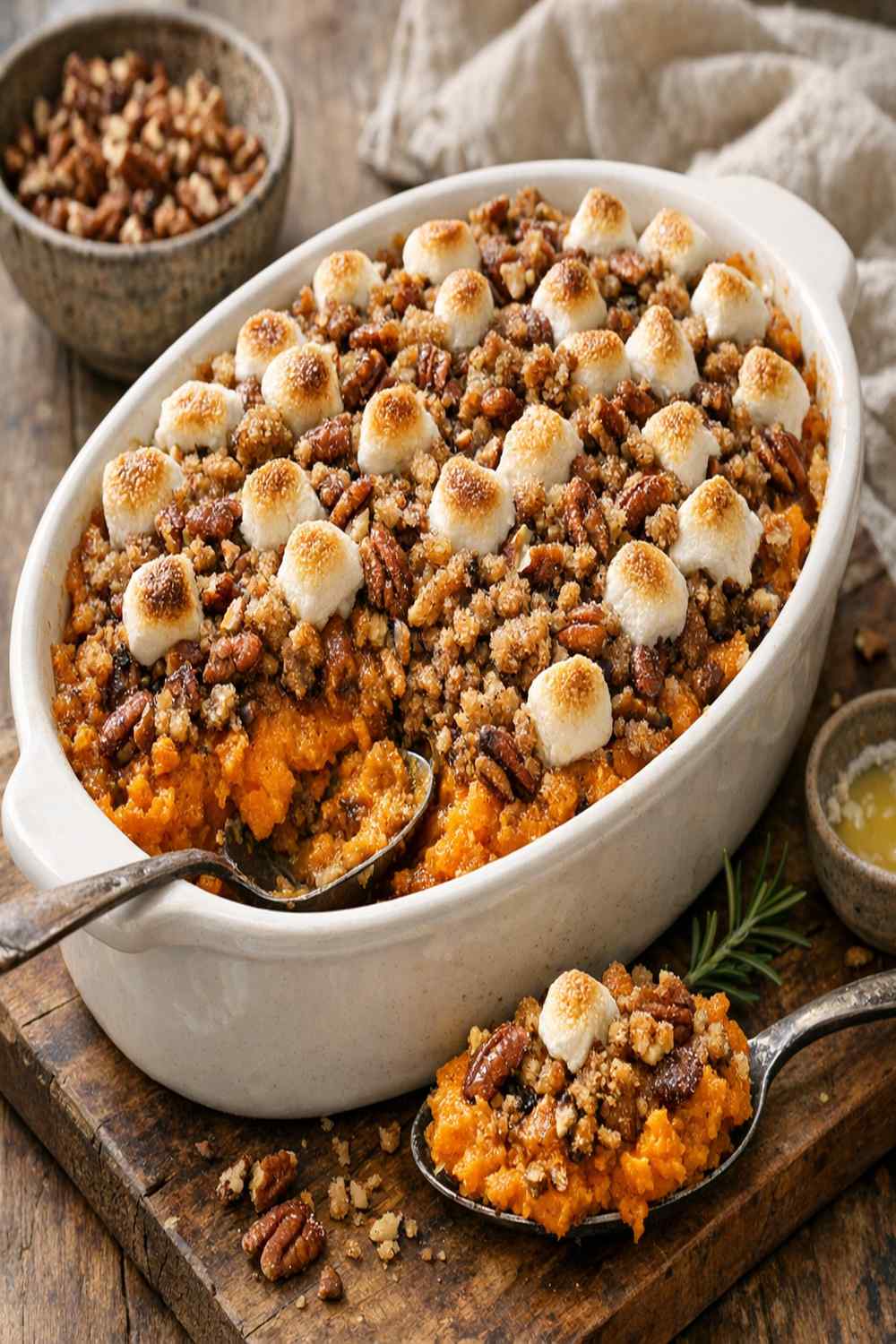
I grew up watching my grandmother pull golden casseroles from her oven, steam rising like Alaskan fog, and I thought the magic was in the baking itself. Turns out, every time I tried to recreate that moment, my sweet potato casserole turned into a dense, mushy puddle instead of something with character and texture. The topping went soggy. The filling tasted flat. I’d spend 90 minutes in the kitchen only to feel defeated when I cut into it.
Then I realized what was missing: intentional texture and respect for the ingredient itself. When I started approaching sweet potatoes like we do wild salmon here in Alaska—honoring what they naturally are instead of beating them into submission—everything changed. This recipe keeps the potatoes chunky and distinct, not blended into oblivion. The streusel stays crispy. The filling stays creamy but structured. And the whole thing comes together in about 30 minutes of hands-on time.
Why Your Sweet Potato Casserole Never Turns Out Right (And How to Fix It)
Here’s what most recipes get wrong: they either treat sweet potatoes like they’re making a soup (overcooked, blended smooth) or they add so much liquid that the casserole becomes a baking dish of sadness. I’ve been a registered dietitian for years, and I’ve seen people attempt this dish dozens of times. The problems cluster around three core issues.
First, people overcook the potatoes during the initial boil, then wonder why the finished casserole falls apart. Second, they skip the crucial step of tasting for seasoning before baking, which means the filling ends up tasting like sweetened mush. Third, they don’t understand that keeping structural integrity in the base ingredient is the secret to a casserole that looks and tastes intentional.
This recipe flips the script. We cook the sweet potatoes just enough to soften them while keeping them intact, layer them with warm spices and maple richness, then finish with a buttery pecan streusel that stays crunchy throughout baking. The result is something that feels both wholesome and indulgent—exactly like eating something made by someone who actually knows what they’re doing.
What Makes This Chunky Sweet Potato Casserole Recipe Different?
The technique here centers on partial cooking before assembly. Instead of cooking the potatoes until they’re completely tender, we stop at the point where a fork slides through with slight resistance. This means when the casserole bakes, the potatoes continue softening without disintegrating. You get distinct pieces instead of wallpaper paste.
The second differentiator is the ratio of cream to syrup. I use heavy cream as the base liquid, which creates a naturally rich, velvety texture without needing butter mixed into the filling itself. The maple syrup acts as both sweetener and binder. This proportion means you get creaminess that’s stable even after sitting for 20 minutes—perfect for family gatherings where food sits before serving.
Third, the streusel technique. We work cold butter into the dry ingredients until the mixture resembles coarse sand, not breadcrumbs. This creates larger, crunchier clusters that stay distinct throughout baking instead of melting into the filling or becoming hard little pebbles.
Before You Start: What You Need to Know
Two critical pieces of knowledge that separate success from frustration with this recipe:
- Sweet potatoes vary in water content by season and storage – Fall and early winter varieties are drier and sweeter; spring storage potatoes hold more water. If your potatoes feel unusually watery when cut, add an extra tablespoon of flour to the filling to prevent a soupy casserole.
- The initial boiling step determines everything downstream – This is where most people fail. You’re not making mashed potatoes; you’re parboiling for assembly. If you cook past the 20-minute mark, you’ll have mushy pieces that blend into the cream, losing texture entirely.
The Ingredients
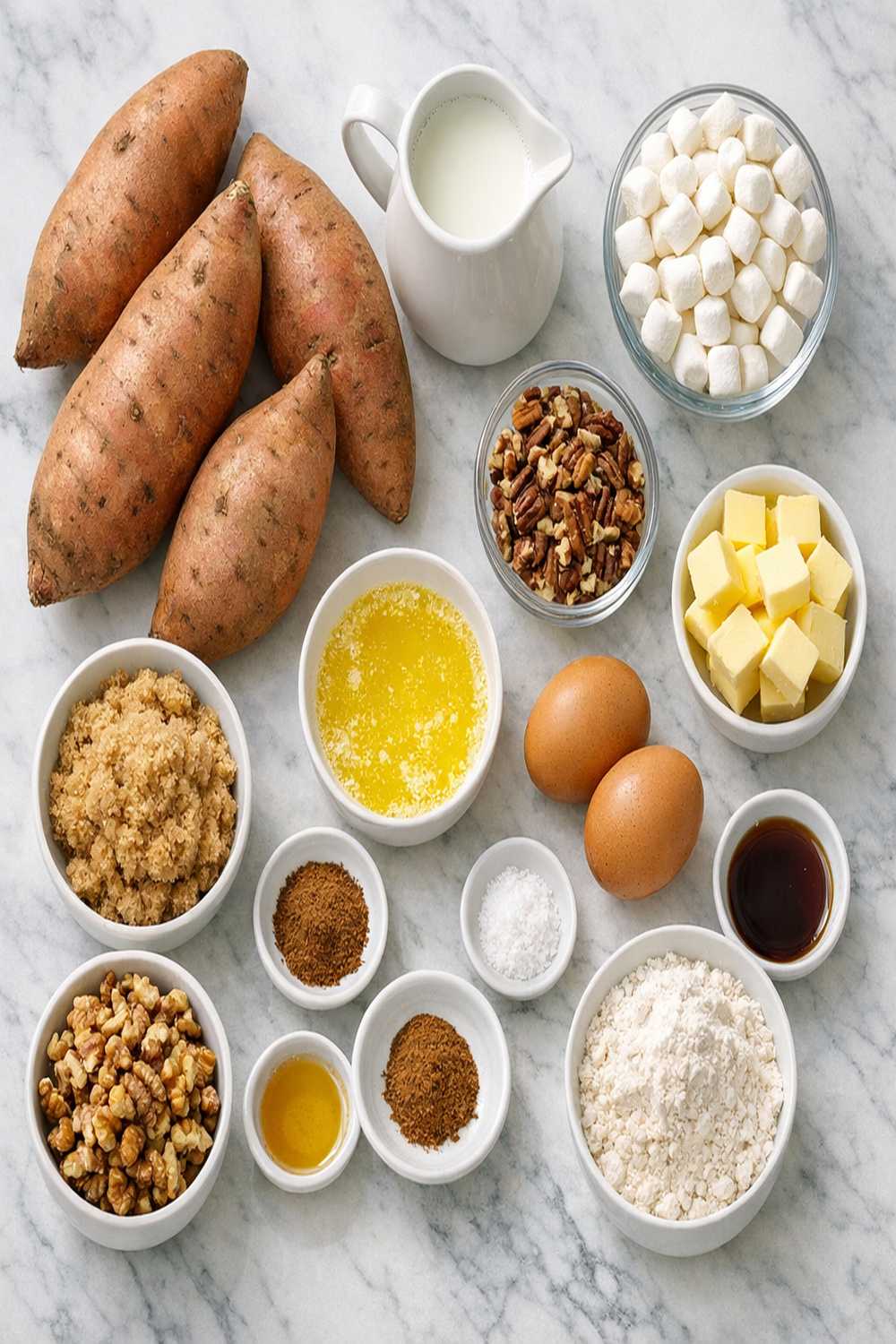
Every ingredient in this recipe pulls its weight. There’s no filler here—just components that work together to create texture, flavor, and structure. I’ve chosen each one based on what works in Alaskan kitchens where we prioritize whole foods that keep well and deliver real nutrition.
For the Base
- 5 pounds sweet potatoes (peeled and cut into ½-inch pieces; choose medium potatoes of similar size for even cooking)
- ½ cup pure maple syrup (grade A or B; B has deeper flavor if you prefer it)
- 1 teaspoon plus 1 tablespoon kosher salt (divided; first amount for boiling water, second for filling)
- 1 cup heavy cream (full-fat, not half-and-half; necessary for richness and stability)
- ⅓ cup light brown sugar (provides subtle molasses depth, not pure sweetness)
- 3½ tablespoons all-purpose flour (helps set the filling without adding cornstarch flavor)
For the Streusel Topping
- 4 tablespoons unsalted butter (cold, cut into ½-inch cubes; this is non-negotiable for texture)
- ½ teaspoon ground nutmeg (freshly grated if possible; pre-ground loses potency quickly)
- 1 teaspoon ground cinnamon (Ceylon cinnamon preferred for subtlety; cassia is harsher)
- ½ teaspoon kosher salt (balances sweetness and prevents one-note flavor)
- ¼ cup light brown sugar (adds caramel notes to the topping)
- 2 tablespoons raw pecans or walnuts (chopped finely; optional but adds nutritional value and texture contrast)
- 1½ cups pecans (toasted and chopped to roughly ¼-inch pieces; toasting unlocks flavor)
- 2 tablespoons all-purpose flour (binds the topping without creating density)
Expert’s Nutritional Tip: Sweet potatoes are often treated as a side dish afterthought, but they’re nutritional powerhouses. One cup of cooked sweet potato contains approximately 180 calories, 4 grams of fiber, and over 430% of your daily vitamin A intake (beta-carotene). The addition of cream and pecans actually enhances absorption of these fat-soluble vitamins, making this dish more nutritionally complete than plain baked sweet potatoes.
Step-by-Step: How to Make Chunky Sweet Potato Casserole Recipe Without Fail
This process takes about 30 minutes of active time, though total time from start to table is about 90 minutes due to baking. I’ve built in pauses where you can prep ahead—perfect for Thanksgiving mornings when your oven is running three other dishes.
Step 1: Prep and Cook the Sweet Potatoes
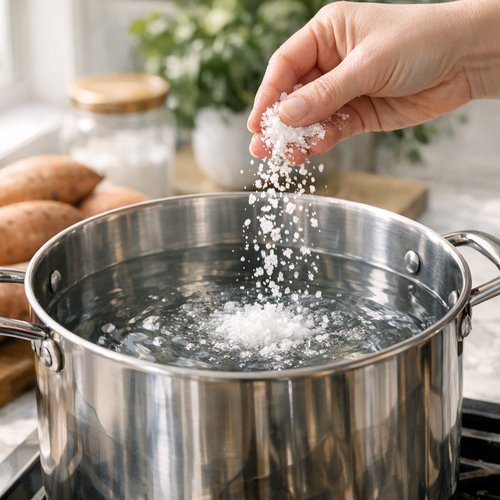
Start by filling a large stockpot (6-quart or bigger) with cold water. Add 1 tablespoon of kosher salt directly to the water—this seasons the potatoes during cooking rather than after, which means more even flavor distribution. Peel your sweet potatoes using a vegetable peeler, then cut them into ½-inch pieces. Aim for consistency here; uneven sizes mean some pieces overcook while others stay firm.
Add the potatoes to the salted water, making sure they’re covered by about 1 inch. This sounds like a lot of water, but it prevents the bottom pieces from scorching if the water level drops. Bring to a boil over medium-high heat, which usually takes about 8-10 minutes. Once you see rolling boils, reduce heat to medium and cover the pot. This keeps the temperature stable and prevents excessive evaporation.
Set a timer for 15 minutes, then start checking. The potatoes should be tender enough that a knife slides through with slight resistance—you want to see them just barely holding their shape. They’ll continue cooking in the oven, so stop here. If you go to 20-25 minutes (which many recipes suggest), you’ll end up with mush. Drain immediately in a colander and let sit for 2 minutes to release excess moisture.
Step 2: Prepare Your Baking Dish and Oven
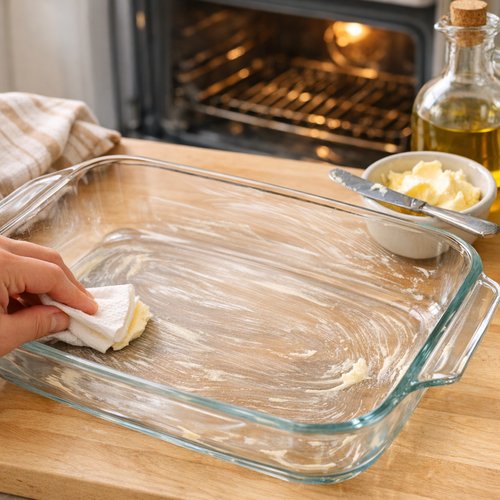
While the potatoes cook, preheat your oven to 350°F. Use a 9 x 13-inch baking dish; this is important because it affects both cooking time and the ratio of filling to topping. Lightly grease it with butter or cooking spray—don’t skip this. Even with cream in the filling, sticking happens.
The 350°F temperature is deliberately moderate. Higher heat caramelizes the top before the center heats through, and lower temperatures mean you’re baking for nearly two hours. At 350°F, the filling sets gently while the streusel browns evenly.
Step 3: Build the Base Layer and Season
Transfer your drained potatoes to the prepared baking dish. They should fill the dish to about ¾ of the way up; if yours looks different, that’s fine—sweet potato sizes vary. Sprinkle with ⅓ cup brown sugar, 3½ tablespoons flour, and ½ teaspoon salt. Use your hands or a large spoon to gently toss everything together, distributing seasonings evenly.
This is the moment to taste. Take a small piece, blow on it to cool it slightly, and taste it. It should be subtly sweet with salt underlying, not cloying. If it tastes flat, add a pinch more salt. This is your final seasoning check—you can’t adjust after baking.
Step 4: Add the Cream and Syrup
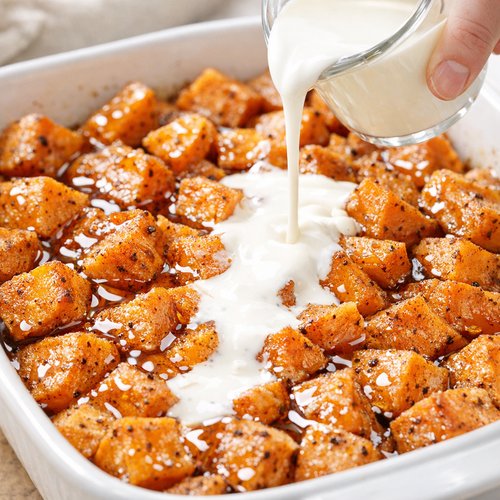
Pour the maple syrup evenly over the seasoned potatoes. Don’t mix yet. Then pour the heavy cream in a steady stream all over the dish, making sure to reach the corners and edges. Now gently fold everything together 5-6 times with a spatula, turning the mixture from the bottom up. You want everything incorporated but not mushed. The cream will pool slightly; this is normal and creates the casserole’s sauce as it bakes.
This step literally takes 90 seconds, but it’s where patience matters. If you stir vigorously, you’ll break down potato pieces. If you don’t fold at all, you’ll have maple syrup pooling on top and potato on bottom.
Step 5: Make the Streusel Topping
In a medium bowl, combine 1½ cups chopped toasted pecans, 2 tablespoons flour, ¼ cup brown sugar, ½ teaspoon salt, 1 teaspoon cinnamon, and ½ teaspoon nutmeg. Stir with a fork until evenly distributed.
Cut your cold butter into ½-inch cubes. Add it directly to the pecan mixture. This is the critical step for texture. Using just your fingertips (keep your hands cool; wash them first if they’re warm), work the butter into the mixture by rubbing the flour and butter between your thumb and fingertips. You’re creating friction that coats the flour with butter, which creates steam pockets during baking.
Keep working until it looks like coarse sand—you should see pea-sized and smaller chunks of butter throughout. If pieces get larger than a pea, that’s okay; they’ll create crunchier clusters. If it turns into a paste, your hands were too warm. Pop it in the freezer for 5 minutes and try again.
Step 6: Top and Bake
Spread the streusel topping evenly over the potato mixture. It won’t completely cover the filling, and that’s correct—you want some filling visible between the topping clusters. This allows steam to escape and prevents sogginess.
Place the baking dish on the middle oven rack (not the top, not the bottom). Bake for 55-60 minutes. You’re looking for specific visual cues here, not just the timer. Peek at the 50-minute mark. The casserole is done when you see the filling bubbling actively around the edges and slightly toward the center, and the streusel is deep golden brown.
If the topping is browning too fast (dark brown at 45 minutes), loosely tent with foil for the remaining time. If the filling still looks watery at 55 minutes, give it another 5 minutes. There’s some variation based on your oven’s personality.
The Most Common Mistakes (And How to Avoid Them)
- Overcooked potatoes in the boiling stage – This creates filling that’s more mousse than casserole. Remember: you’re parboiling, not fully cooking. The potatoes will soften more in the oven. Stop at 15-18 minutes, not 25.
- Skipping the taste test after seasoning – Your filling sits raw in the dish for exactly one moment before baking. This is your only chance to adjust salt or sweetness. Taste a small piece. It should make you nod, not squint.
- Warm butter in the streusel – If your butter is soft or the mixture becomes paste-like, you’ll lose all texture. Work with cold butter, and if your kitchen is warm, chill the mixture before sprinkling on top.
- Overstirring the filling during assembly – Each fold breaks down potato pieces. Fold gently 5-6 times, then stop. You’re not making mashed potatoes.
How Do I Know When It’s Done?
There are three signals that your casserole is properly baked:
Visual cue: The filling should be actively bubbling at the edges and have small bubbles visible toward the center. This means the filling has reached 165-170°F throughout and has set properly. If it’s completely still and glassy, it needs more time.
Texture cue: The streusel should be deep golden brown, not pale tan and definitely not dark brown or black. If you gently press the topping with your finger (using a potholder, obviously), it should feel crispy and slightly crumbly, not soft or caked together.
Sensory cue: When you open the oven door, you should smell warm cinnamon, nutmeg, and toasted pecans with underlying sweetness. If it smells mostly like raw potato, it needs 5-10 more minutes.
Troubleshooting: When Things Go Wrong
- The filling looks soupy even at 60 minutes – Your sweet potatoes likely contained extra water, which happens with spring storage potatoes. Pull the casserole out, increase your oven to 375°F, and bake for another 10 minutes uncovered. This drives off excess moisture. If this still doesn’t work, next time add an extra tablespoon of flour to the base.
- The streusel is burnt but the filling is still watery – Your oven runs hot. Tent the casserole loosely with foil for the last 20 minutes of baking. The foil reflects heat away from the top while allowing the filling to continue setting.
- The potatoes are mushy and blended together – You overcooked them in the initial boil. Next time, check at 15 minutes instead of waiting until 20. This recipe depends on that firm-tender state.
Can I Store Chunky Sweet Potato Casserole Recipe?
Yes, and it actually improves slightly as it sits. Once the casserole cools to room temperature, cover it loosely with plastic wrap and refrigerate for up to 4 days. The flavors meld together beautifully, and the texture stays stable because of the ratio of cream to starch.
To reheat, cover with foil and bake at 325°F for 20-25 minutes until warmed through. The foil prevents the topping from over-browning while the filling comes back to a pleasant temperature. Don’t microwave it—the texture of both the filling and topping will suffer.
You can also freeze it. Let the baked casserole cool completely, then cover tightly with plastic wrap and then foil. It keeps in the freezer for up to 2 months. Thaw overnight in the refrigerator, then reheat covered at 325°F for 30-35 minutes. The streusel won’t be quite as crispy as the original, but it’ll still be good.
Make-Ahead Guide: You can prep this entirely the day before serving. Complete steps 1-5, then cover the unbaked casserole with plastic wrap and refrigerate overnight. The next day, remove from the fridge 30 minutes before baking (this helps even cooking), then bake as directed, adding 5-10 minutes to account for it being slightly cold when it goes in the oven. This is a game-changer for Thanksgiving when your oven is at capacity.
Nutrition Information
Based on USDA nutritional database analysis, one serving (approximately 1 cup or ⅛ of the casserole) contains approximately 285 calories, 18 grams of fat, 32 grams of carbohydrates, 4 grams of fiber, and 3 grams of protein. The majority of calories come from the cream and pecans, which provide saturated fat alongside heart-healthy monounsaturated fats.
The actual nutritional value extends beyond these numbers. The beta-carotene in sweet potatoes is fat-soluble, meaning your body absorbs it better when eaten with fat—exactly what the cream provides. The pecans add polyphenols and magnesium, nutrients many people underconsume. The spices add virtually no calories but provide compounds with anti-inflammatory properties.
What Can I Serve With Chunky Sweet Potato Casserole Recipe?
This casserole works equally well as a holiday side dish or as part of a vegetarian main course. Here’s what I pair it with in my kitchen:
- Roasted turkey or chicken – The sweetness balances perfectly with poultry’s richness. The creamy texture is visually beautiful on a plate next to golden-brown meat.
- A bitter or acidic green vegetable – Brussels sprouts roasted until crispy, or a simple green salad with my favorite salad cuts through the richness and provides necessary texture contrast.
- A simple grain dish – Wild rice or a basic pilaf provides earthiness without competing for attention. Avoid anything with cream or heavy sauces since your casserole is already rich.
- Cranberry relish or sharp condiment – The acidity is essential. It brightens the whole plate and aids digestion of the richer components.
Seasonal Variations
While this recipe is written for cold months (when sweet potatoes are at their peak), you can adapt it seasonally:
Spring/Summer version: Use Pistachio Butter or regular pistachios instead of pecans for a lighter topping. Replace ¼ cup of the heavy cream with unsweetened coconut milk. Reduce maple syrup to ⅓ cup and add 2 tablespoons of fresh lemon juice to brighten flavors for warmer months.
Holiday version (what I’ve written here): Exactly as stated. This is the cozy, spiced version that belongs on November and December tables.
All-year version: If you make this in summer with winter storage sweet potatoes (they’re available year-round), simply serve it chilled in small portions as a dessert-adjacent side. Top with whipped cream instead of serving warm.

Chunky Sweet Potato Casserole Recipe
Ingredients
Method
- Start by filling a large stockpot (6-quart or bigger) with cold water. Add 1 tablespoon of kosher salt directly to the water—this seasons the potatoes during cooking rather than after, which means more even flavor distribution. Peel your sweet potatoes using a vegetable peeler, then cut them into ½-inch pieces. Aim for consistency here; uneven sizes mean some pieces overcook while others stay firm. Add the potatoes to the salted water, making sure they're covered by about 1 inch. This sounds like a lot of water, but it prevents the bottom pieces from scorching if the water level drops. Bring to a boil over medium-high heat, which usually takes about 8-10 minutes. Once you see rolling boils, reduce heat to medium and cover the pot. This keeps the temperature stable and prevents excessive evaporation. Set a timer for 15 minutes, then start checking. The potatoes should be tender enough that a knife slides through with slight resistance—you want to see them just barely holding their shape. They'll continue cooking in the oven, so stop here. If you go to 20-25 minutes (which many recipes suggest), you'll end up with mush. Drain immediately in a colander and let sit for 2 minutes to release excess moisture.

- While the potatoes cook, preheat your oven to 350°F. Use a 9 x 13-inch baking dish; this is important because it affects both cooking time and the ratio of filling to topping. Lightly grease it with butter or cooking spray—don't skip this. Even with cream in the filling, sticking happens. The 350°F temperature is deliberately moderate. Higher heat caramelizes the top before the center heats through, and lower temperatures mean you're baking for nearly two hours. At 350°F, the filling sets gently while the streusel browns evenly.
- Transfer your drained potatoes to the prepared baking dish. They should fill the dish to about ¾ of the way up; if yours looks different, that's fine—sweet potato sizes vary. Sprinkle with ⅓ cup brown sugar, 3½ tablespoons flour, and ½ teaspoon salt. Use your hands or a large spoon to gently toss everything together, distributing seasonings evenly. This is the moment to taste. Take a small piece, blow on it to cool it slightly, and taste it. It should be subtly sweet with salt underlying, not cloying. If it tastes flat, add a pinch more salt. This is your final seasoning check—you can't adjust after baking.
- Pour the maple syrup evenly over the seasoned potatoes. Don't mix yet. Then pour the heavy cream in a steady stream all over the dish, making sure to reach the corners and edges. Now gently fold everything together 5-6 times with a spatula, turning the mixture from the bottom up. You want everything incorporated but not mushed. The cream will pool slightly; this is normal and creates the casserole's sauce as it bakes. This step literally takes 90 seconds, but it's where patience matters. If you stir vigorously, you'll break down potato pieces. If you don't fold at all, you'll have maple syrup pooling on top and potato on bottom.
- In a medium bowl, combine 1½ cups chopped toasted pecans, 2 tablespoons flour, ¼ cup brown sugar, ½ teaspoon salt, 1 teaspoon cinnamon, and ½ teaspoon nutmeg. Stir with a fork until evenly distributed. Cut your cold butter into ½-inch cubes. Add it directly to the pecan mixture. This is the critical step for texture. Using just your fingertips (keep your hands cool; wash them first if they're warm), work the butter into the mixture by rubbing the flour and butter between your thumb and fingertips. You're creating friction that coats the flour with butter, which creates steam pockets during baking. Keep working until it looks like coarse sand—you should see pea-sized and smaller chunks of butter throughout. If pieces get larger than a pea, that's okay; they'll create crunchier clusters. If it turns into a paste, your hands were too warm. Pop it in the freezer for 5 minutes and try again.
- Spread the streusel topping evenly over the potato mixture. It won't completely cover the filling, and that's correct—you want some filling visible between the topping clusters. This allows steam to escape and prevents sogginess. Place the baking dish on the middle oven rack (not the top, not the bottom). Bake for 55-60 minutes. You're looking for specific visual cues here, not just the timer. Peek at the 50-minute mark. The casserole is done when you see the filling bubbling actively around the edges and slightly toward the center, and the streusel is deep golden brown. If the topping is browning too fast (dark brown at 45 minutes), loosely tent with foil for the remaining time. If the filling still looks watery at 55 minutes, give it another 5 minutes. There's some variation based on your oven's personality.
Notes
FAQs
Can I use canned sweet potatoes instead of fresh?
Not really. Canned sweet potatoes are often packed in syrup and already very soft. When added to your filling, they’ll disintegrate during baking. You’ll end up with something more like pudding than casserole. If fresh sweet potatoes aren’t available, it’s better to skip this recipe and choose something else. Fresh is non-negotiable here.
What if I don’t have heavy cream?
You need the fat and stability that cream provides. Half-and-half won’t create the right texture—the casserole will be thinner and the streusel will sink. Full-fat coconut milk works as a substitute (use the thick part from a can, not lite coconut milk). Evaporated milk is your next option, though it creates a slightly more custard-like texture. Greek yogurt is not a substitute; it breaks when baked.
Can I reduce the sugar since sweet potatoes are already sweet?
You can reduce it slightly—maybe to ¼ cup brown sugar and ⅜ cup maple syrup—but don’t eliminate it. The sugar serves multiple purposes: it sweetens, yes, but it also helps set the filling as it bakes and creates the structure. Less sugar means a wetter, less stable casserole. Test with a small reduction first if you prefer less sweetness.
What’s the difference between light and dark brown sugar?
Light brown sugar has about 3.5% molasses; dark has about 6.5%. The recipe calls for light because it adds subtle molasses flavor without making the casserole taste like molasses itself. If all you have is dark, you can use it, but reduce by ½ tablespoon in the filling and ½ tablespoon in the streusel to prevent overpowering the dish.
Why does my streusel sink into the filling instead of staying crispy?
Two possible causes: Either your butter wasn’t cold enough (it melted and created an oil rather than steam pockets), or your filling was too warm when you added the topping. Always make your streusel with cold butter that you work in quickly. Let the filling sit for 5 minutes before topping if it’s steaming when you pull it from the stove. The cooler topping-to-filling interface maintains separation.
More Recipes You’ll Love
- Vegetarian Enchilada Casserole – Another hearty casserole that works as both side and main, with a completely different flavor profile
- these homemade cookies – A delicate dessert that pairs beautifully with this casserole at holiday meals
- Easy Tapenade Recipe – A bright, sharp condiment that cuts through the sweetness of this dish
You now have everything you need to create a chunky sweet potato casserole that actually shows up. Not the watery version. Not the mushy version. Not the one where the topping turns soggy. You know exactly why each step matters, when to check for doneness, and how to troubleshoot the moment something looks off.
More importantly, you understand that cooking wholesome food isn’t about perfection—it’s about respecting ingredients enough to know when to stop cooking them, when to taste, when to work fast, and when to let the oven do its job. That’s how my grandmother made casseroles that felt like magic. Now you know the practical side of that magic.
Happy Cooking!