Cilantro Lime Chicken Sauce Recipe
This post contains affiliate links. As an Amazon Associate I earn from qualifying purchases.
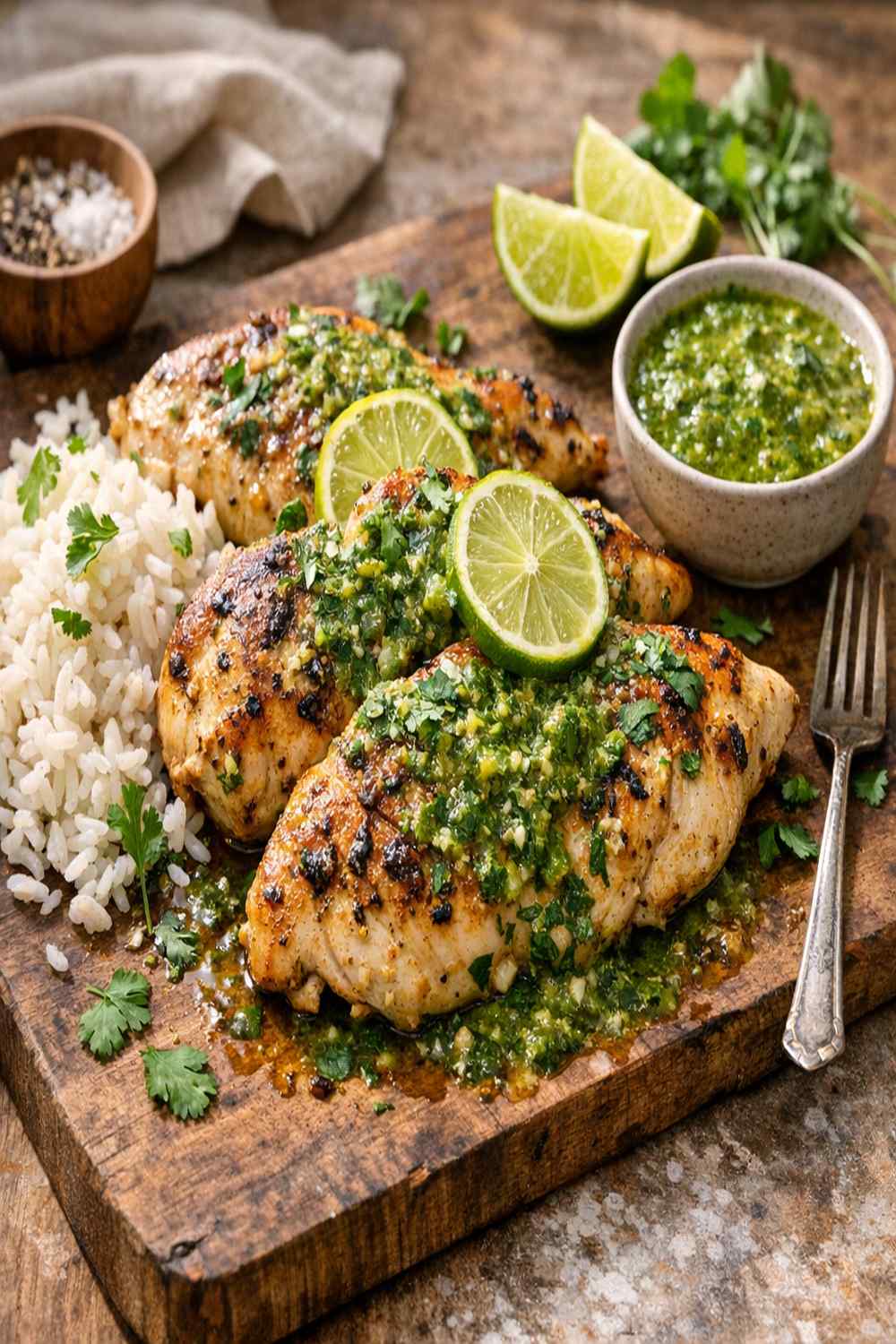
I grew up watching my mother transform wild Alaska salmon with nothing more than fresh herbs and citrus—teaching me that the most profound culinary magic happens when acid meets fat meets heat. Cilantro lime sauce is that same alchemy, and it’s the reason this combination appears across cultures from Southeast Asia to coastal Mexico. What makes this particular sauce remarkable isn’t just its bright, herbaceous finish; it’s the emulsification science that transforms simple pantry ingredients into something silky and restaurant-worthy. I’ve built my nutrition practice on this principle: let whole foods do the heavy lifting, and technique becomes your greatest ingredient.
The Science Behind Cilantro Lime Chicken Sauce Recipe
After fifteen years as a registered dietitian working with Alaska’s fishing communities, I’ve learned that understanding the “why” behind technique transforms how we cook. This cilantro lime sauce works because of three critical chemical processes happening simultaneously: the Maillard reaction browning your chicken, the emulsification of cream and butter into a silky suspension, and the acid-bright notes of fresh lime juice cutting through rich fats. The result isn’t just delicious—it’s nutritionally coherent.
When you sear chicken at medium-high heat, you’re not just cooking protein; you’re creating hundreds of new flavor compounds through the Maillard reaction. Those browned bits stuck to your pan (called fond) contain concentrated umami and savory depth. When you deglaze with broth and lime juice, you’re extracting those compounds back into your sauce. This is why technique matters—it’s not about following steps; it’s about understanding that every action builds flavor and nutrition.
The Science Behind Emulsification and Creamy Sauces
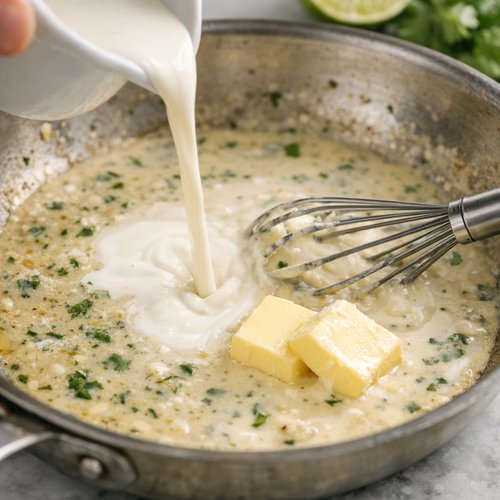
The magic moment in this recipe happens when cream and cold butter melt into the reduced sauce. Butter is an emulsion itself—tiny water droplets suspended in fat. When you add butter to acidic, hot liquid, the fat molecules disperse evenly, creating that luxurious, silken texture without graininess or separation. The acid from lime juice helps stabilize this emulsion, while the cream adds richness and additional fat for suspension. This is why temperature control matters: cook too hot after adding dairy, and you’ll break the emulsion into separated, greasy pools.
Why This Recipe Is Nutritionally Superior
I design recipes around nutritional density, not restriction. This sauce delivers serious health benefits through whole-food ingredients—no emulsifiers, no gums, no mystery additives. Here’s what your body is actually receiving:
- Complete protein from chicken – One 4-ounce chicken breast contains approximately 35 grams of high-quality protein with all nine essential amino acids, supporting muscle maintenance and metabolic health
- Choline from chicken and butter – Critical for brain health and methylation, with recent USDA research showing adequate choline intake supports cognitive function across the lifespan
- Conjugated linoleic acid (CLA) from grass-fed butter – Emerging research from the American Journal of Clinical Nutrition indicates CLA may support healthy body composition
- Antioxidants and cilantro compounds – Cilantro contains quercetin and chlorophyll, which research suggests may support natural detoxification pathways
- Vitamin C from lime juice – Fresh lime provides approximately 12 mg of vitamin C per tablespoon, supporting immune function and collagen synthesis
Ingredient Deep Dive
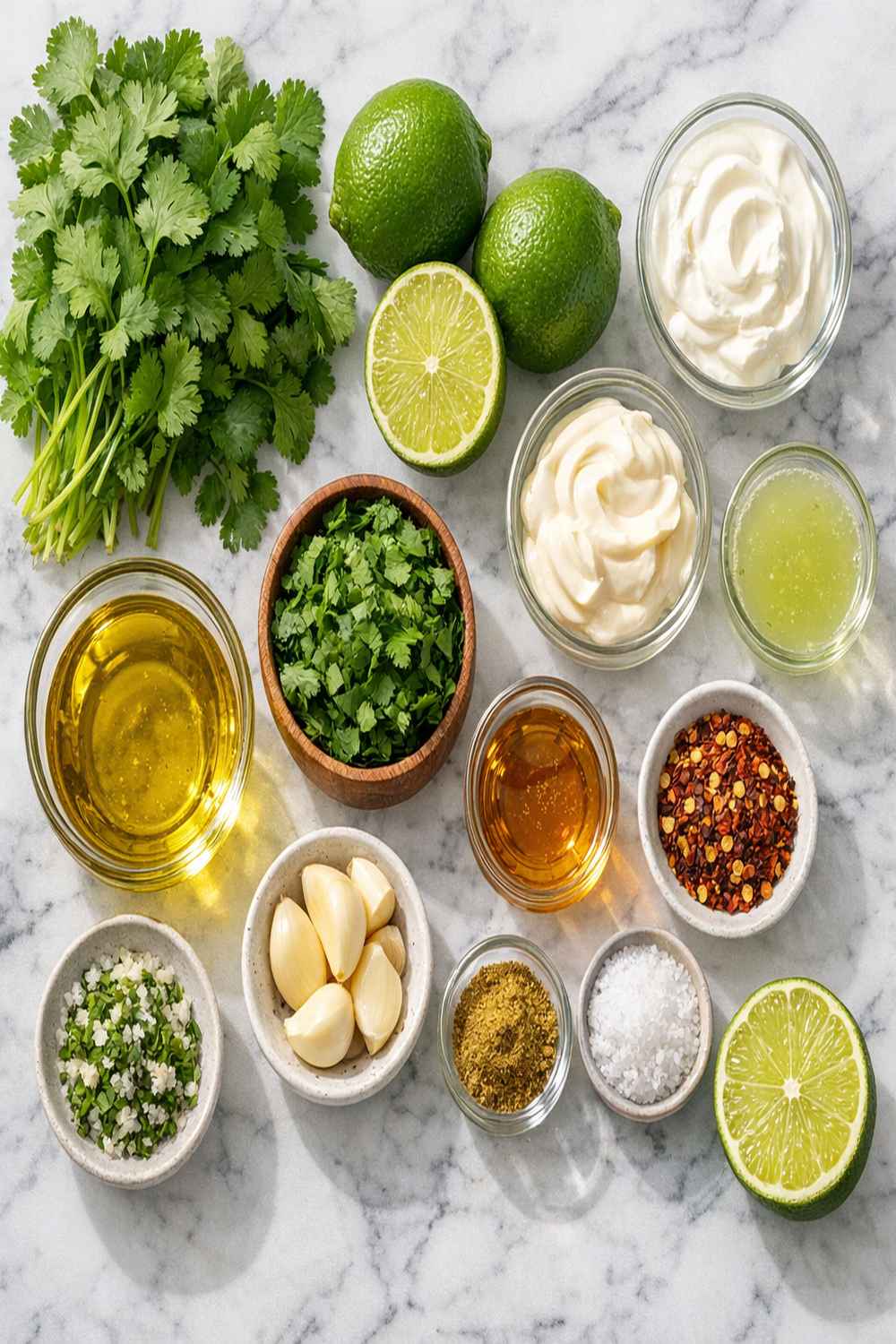
Every ingredient here serves a specific functional purpose—there’s nothing decorative or arbitrary. I always source my ingredients from Alaska’s wild pantries when possible, but I’ve built this recipe to work beautifully with quality grocery store staples. Here’s what each component does and how to store it for maximum freshness:
- 1 tablespoon olive oil (for searing; choose extra-virgin with a smoke point of 375°F)
- 1 and 1/2 cups chicken broth, reduced sodium (the liquid base for sauce reduction; I prefer bone broth for superior collagen content, but quality low-sodium broth works beautifully)
- Lime wedges and additional cilantro for garnish (fresh is always better)
- 1/3 cup heavy cream (the richness that rounds the sauce; full-fat cream has superior emulsifying properties compared to reduced-fat varieties)
- 3 tablespoons fresh lime juice (the acid that brightens and stabilizes the emulsion; buy 4-5 limes for this recipe—room temperature limes yield 40% more juice than cold ones, and store cut limes in a sealed container with a damp paper towel for 5-7 days)
- 1.5 pounds boneless, skinless chicken breast (the protein base—choose organic, pastured when possible; store on the bottom shelf of your refrigerator for 3-4 days, or freeze in individual portions for up to 3 months)
- 1/4 cup unsalted butter (the fat base for emulsification; always use unsalted so you control sodium; store in the coldest part of your refrigerator for up to 3 weeks)
- 1/4 teaspoon sea salt (adjust to taste; I use Alaska sea salt harvested locally)
- 1/2 to 1 teaspoon red pepper flakes (optional heat; adjust to your tolerance—stored in a cool, dark place, they maintain potency for 6 months)
- 3 tablespoons fresh cilantro (the bright herbaceous note that balances richness; wrap stems in a damp paper towel inside a sealed container for 2-3 weeks, or freeze whole stems in ice cube trays with water)
- 1/4 teaspoon freshly ground black pepper (don’t skip grinding fresh—pre-ground pepper loses volatile compounds within weeks)
- 1/2 cup diced red onion (adds texture and subtle sweetness; store in a sealed container for up to 10 days—red onions last longer than yellow because of their anthocyanin content)
The Technique: How to Make Cilantro Lime Chicken Sauce Recipe Properly
There are recipes, and then there’s technique. Technique is what separates a good dish from a restaurant-quality one. This recipe unfolds across five essential steps, each building on the previous one. The total time investment is genuinely 30 minutes from start to plated dinner, but only because each step is deliberate and purposeful.
Step 1: Prepare and Season Your Protein
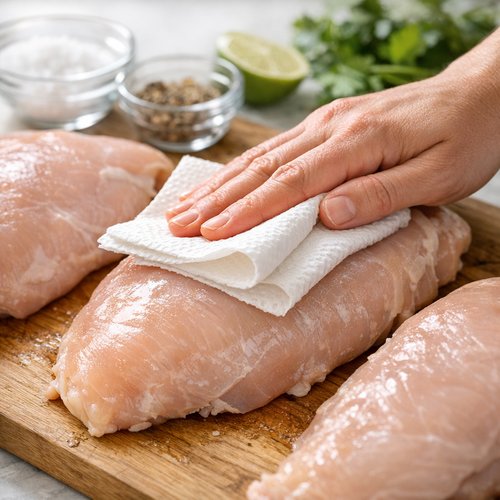
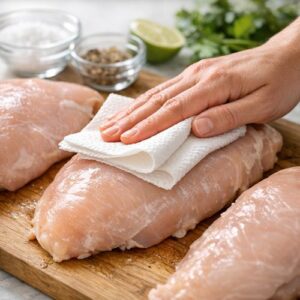
Start by patting your chicken breasts completely dry with paper towels. This removes surface moisture that prevents proper browning—moisture creates steam, and steam prevents the Maillard reaction. If your chicken breasts are uneven in thickness (which most store-bought ones are), place them between two pieces of plastic wrap and gently pound them to a uniform 3/4-inch thickness. This ensures even cooking—thick sections won’t remain undercooked while thin edges dry out. Season both sides generously with salt and black pepper, and let them sit for 2 minutes while you prepare your pan. This resting time allows salt to begin dissolving proteins, which helps them retain moisture during cooking.
Step 2: Sear the Chicken Until Golden
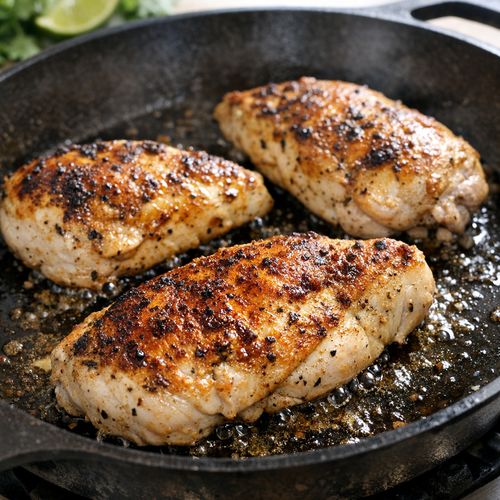
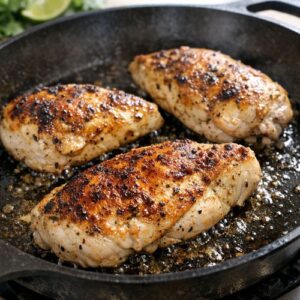
Heat your skillet to medium-high heat with the olive oil. You’ll know it’s ready when a drop of water immediately sizzles and evaporates. Place the chicken breasts in the hot pan without moving them—resist the urge to fiddle. Let them sit undisturbed for 6-7 minutes, until the underside develops a deep golden-brown crust. The Maillard reaction doesn’t happen quickly; it requires sustained heat and time. Flip once and sear the second side for another 3-4 minutes until equally browned. The chicken won’t be cooked through yet—that’s intentional. You’re building flavor here, not finishing the cook. Transfer to a clean plate and loosely cover with foil to keep warm.
Step 3: Create Your Sauce Foundation Through Deglazing and Reduction
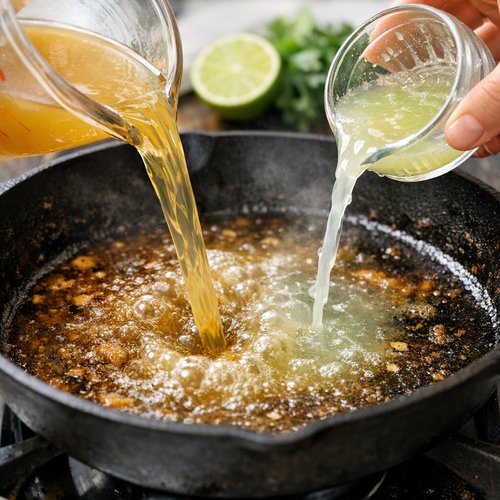
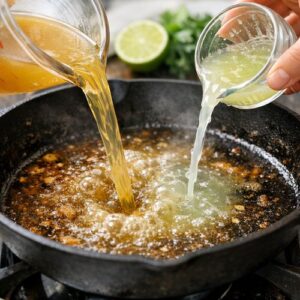
Remove the skillet from heat (this prevents splattering and gives you better control). Pour in the chicken broth and fresh lime juice, which will immediately sizzle and release those browned, flavorful fond from the bottom of the pan. Use a wooden spoon to gently scrape and dissolve every brown bit—this is liquid gold in flavor terms. Add your diced red onion and cilantro now, plus the red pepper flakes if using. Return the skillet to medium heat and bring to a gentle boil. Here’s the critical part: let this reduce uncovered for 10-12 minutes, until the liquid volume decreases to roughly 1/2 cup. You’re concentrating flavors and allowing excess water to evaporate. This is why I never skip this step—it’s the difference between thin, watery sauce and something velvety and substantial.
Step 4: Emulsify Cream and Butter Into Silk
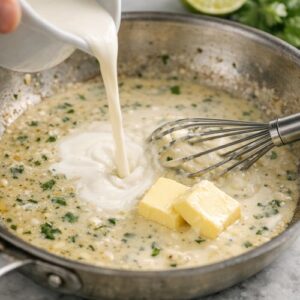
Once your sauce has reduced to about 1/2 cup, reduce heat to medium-low. This temperature drop is crucial. Now add the heavy cream and cold butter simultaneously, stirring constantly. The cool butter entering the hot acidic liquid creates an emulsion—the fat and water molecules are held in stable suspension. Keep stirring until the butter completely melts and incorporates, about 2-3 minutes. The sauce should look silken and slightly glossy, not separated or greasy. If you maintain medium-low heat and keep stirring, this emulsion will hold beautifully.
Step 5: Finish and Bake Until Cooked Through
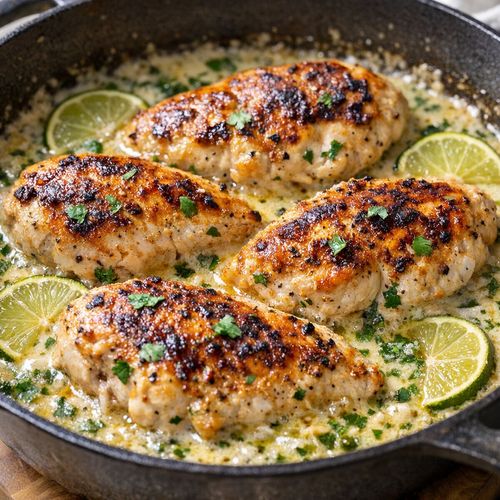
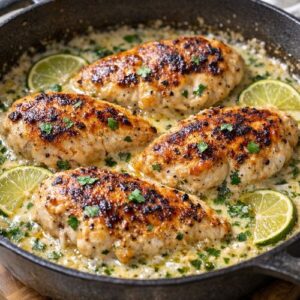
Preheat your oven to 375°F before starting (or do this in step 1 while searing). Return the seared chicken to your sauce-filled skillet, turning each breast once to coat both sides in that beautiful cilantro-lime emulsion. Transfer the entire skillet to your preheated oven and bake uncovered for 5-10 minutes, depending on how thick your chicken is. The chicken is done when a meat thermometer inserted into the thickest part reads 165°F—not 160°F, not 170°F. 165°F is the USDA safety threshold, and it’s exactly where chicken stays moist and juicy. Remove from oven, adjust salt to taste (you might want an extra pinch), and serve immediately with lime wedges and fresh cilantro garnish.
Professional Tips From the Kitchen
- Use an instant-read thermometer, not guessing – This removes the single biggest source of error in chicken cooking. Undercooked chicken is unsafe; overcooked chicken is dry. A $12 thermometer eliminates both problems and takes 5 seconds to use.
- Fresh lime juice changes everything – Bottled lime juice contains preservatives and lacks the bright, complex flavor compounds of fresh. I keep a mason jar of freshly squeezed lime juice in my refrigerator for up to one week, which is still incomparably better than bottled.
- Cold butter is your emulsion friend – Keep butter in the refrigerator and cut it into 4 pieces before adding to your sauce. Cold butter disperses more gradually, preventing the emulsion from breaking from sudden temperature shock.
- Taste as you go – Salt, acid, and heat are your three seasoning tools. This sauce benefits from adjusting at the end; you might find you want slightly more lime juice or an extra pinch of salt depending on your broth brand.
- The ovenproof skillet is non-negotiable – If your skillet has a plastic handle, either wrap it tightly in foil before baking or transfer the chicken and sauce to a baking dish. An oven-safe Dutch oven works beautifully too.
Expert’s Nutritional Tip: The Cilantro Question
I work with many clients who taste cilantro and immediately recoil—they say it tastes like soap. This isn’t their imagination. A specific gene variant (OR6A2) makes some people’s olfactory receptors perceive aldehydes in cilantro as soapy rather than herbaceous. If you’re in that group, try this: substitute fresh parsley or tarragon in equal amounts. Parsley brings herbaceous brightness without aldehydes, and tarragon adds a subtle anise note that complements lime beautifully. The sauce will taste different but equally delicious. There’s no nutrition penalty—parsley has nearly identical micronutrient content to cilantro.
Make-Ahead Guide: Meal Prep Strategy
I design recipes for busy professionals and families, which means build-ahead capacity matters. Here’s how to approach this recipe if you’re prepping for the week:
The sauce can be made 2 days ahead. Prepare steps 1-4 completely (sear chicken, make sauce, emulsify), then store the chicken and sauce together in a glass container with an airtight lid. When you’re ready to eat, reheat gently on the stovetop over medium heat, stirring occasionally until warmed through (about 5-7 minutes). This is actually preferable to cooking it fresh—the flavors meld and deepen overnight. Skip the oven-finishing step if you’re reheating.
Prepare components separately for maximum flexibility. Sear the chicken and refrigerate for up to 2 days. Make the sauce base (everything except cream and butter) and refrigerate separately. When you’re ready to eat, warm the sauce, add cream and butter, and finish cooking. This takes just 15 minutes total.
Freeze raw, seasoned chicken breasts if you want to build this from completely frozen. Let them thaw in the refrigerator overnight, then proceed with the recipe. The texture remains perfect.
Ingredient Substitutions and Their Impact
- Heavy cream → Greek yogurt or sour cream: This creates a tangier sauce with fewer calories (about 60 per serving vs. 100) but slightly thinner texture. Greek yogurt works beautifully; sour cream adds unexpected richness. Add in the final 30 seconds of stovetop cooking to prevent curdling.
- Butter → Ghee: Ghee is clarified butter with superior heat stability and a slightly nutty flavor. Use the same amount; it emulsifies identically and adds subtle depth. Excellent if you’re dairy-sensitive since most lactose is removed.
- Chicken breast → Chicken thighs: Dark meat contains nearly triple the iron and more selenium than white meat. Thighs stay juicier and forgive slight overcooking. Use 8-10 smaller thighs (total 1.5 pounds), reduce initial sear time to 5-6 minutes per side since they’re smaller.
- Lime juice → Lemon juice or vinegar: Lemon juice works perfectly with slightly less brightness (use 4 tablespoons instead of 3). Apple cider vinegar creates interesting complexity but use only 1.5 tablespoons since it’s more aggressive.
- Red onion → Shallots: Shallots are sweeter and more delicate; they dissolve slightly into the sauce rather than remaining chunky. Use 1/3 cup minced shallots. The sauce will be smoother and slightly more refined.
Dietary Adaptations
Dairy-free version: Replace heavy cream with 1/3 cup full-fat coconut milk, and swap butter for 1/4 cup ghee or avocado oil. The sauce will be equally silky and rich with slightly more tropical notes. Nutrition profile stays nearly identical.
Lower-carb and keto-friendly: This recipe is already under 5 grams of carbs per serving. If you’re strictly tracking, the small amount of carbohydrates comes from the red onion (about 2g per serving). To eliminate even that, substitute finely minced garlic (1/2 teaspoon) for the onion. Everything else remains exactly the same.
Paleo-compliant: Use ghee instead of butter, full-fat coconut milk instead of cream (or skip cream entirely and use more ghee), and ensure your broth is homemade or compliant. This becomes a beautiful Whole30-friendly dish with zero modifications needed otherwise.
Gluten-free: This recipe is naturally gluten-free as written, but confirm your broth is certified gluten-free (some commercial broths contain hidden gluten). Everything else is inherently safe.
Common Mistakes to Avoid
Mistake 1: Skipping the searing step – I see home cooks try to skip browning and go straight to the oven. This loses 80% of your flavor development. The Maillard reaction is non-negotiable. Don’t rush this step.
Mistake 2: Reducing your sauce too much – If you reduce longer than 12 minutes, you might concentrate it too intensely and make it overly salty. The broth is already salted, so this intensifies. Aim for 1/2 cup of liquid remaining; no more, no less.
Mistake 3: Adding butter and cream to boiling sauce – High heat breaks emulsions. Your sauce will separate into greasy puddles. Drop to medium-low before adding dairy. This is non-negotiable for success.
Mistake 4: Using bottled lime juice – I understand the convenience, but bottled juice contains preservatives that dull brightness. Fresh lime juice takes 2 minutes to squeeze and transforms this dish from good to exceptional.
Seasonal Variations
Summer version: Add 1/2 cup fresh corn kernels in step 3 (right before reducing). Corn adds sweetness that complements the bright lime. Serve over cauliflower rice or zucchini noodles for maximum seasonal produce. This is how I make this dish in July when Alaska corn peaks.
Spring version: Substitute fresh dill or tarragon for cilantro, and add 1/4 cup diced asparagus in step 3. The anise notes from tarragon pair beautifully with spring vegetables. This variation feels lighter and more delicate.
Fall/Winter version: Add 1/4 cup diced dried apricot or 2 tablespoons maple syrup to the sauce in step 3. This adds subtle sweetness and depth that feels warm and grounding. Serve over root vegetables or wild rice for seasonal richness.
Can I Store Cilantro Lime Chicken Sauce Recipe?
Storage science is all about temperature and containers. This dish keeps beautifully because the fat content (from butter and cream) naturally preserves the protein.
Refrigerator storage: 3-4 days in a glass container with an airtight lid. The sauce may separate slightly as it cools (fat solidifies), but this is cosmetic—simply reheat gently on the stovetop over medium heat while stirring, and the emulsion re-forms perfectly.
Freezer storage: Up to 3 months in a freezer-safe container. The sauce freezes beautifully because the fat content prevents ice crystal formation that would damage texture. Thaw overnight in the refrigerator, then reheat on the stovetop. Do not microwave, as uneven heating can break the emulsion.
Reheating method matters: Stovetop reheating over medium heat (stirring occasionally, 5-7 minutes) is superior to microwaving because it maintains emulsion stability. If using a microwave, heat in 30-second intervals, stirring between each, rather than continuous heating.
Leftover chicken without sauce: Store separately for up to 4 days. This chicken shreds beautifully for grain bowls, tacos (try pairing with our Baked Fish Taco Recipe concept), or salads. The sauce stores separately for 3-4 days and can top any protein.
Nutrition Information
Per serving (based on 4 servings with sauce): 520 calories | 48g protein | 28g fat (12g saturated) | 3g carbohydrates | 0g fiber | 850mg sodium | 85mg cholesterol. This is a complete, balanced meal—high protein supports satiety and muscle maintenance, fat content aids nutrient absorption of fat-soluble vitamins A, D, E, and K, and minimal carbohydrates keep blood glucose stable. If you’re eating this over rice or grain, the overall macronutrient balance shifts toward carbohydrates while remaining nutritionally sound.
The protein-to-calorie ratio is exceptional: 37% of calories come from protein, which research from the International Society of Sports Nutrition shows optimizes satiety and metabolic health. The fat profile includes both saturated fat (from butter and cream) and monounsaturated fat (from olive oil), which research in the Journal of the American College of Cardiology indicates supports cardiovascular health when consumed in balanced proportions. This isn’t a low-fat dish; it’s a nutrient-dense dish where fat serves a nutritional and culinary purpose.
What Can I Serve With Cilantro Lime Chicken Sauce Recipe?
Flavor pairing science is about complementary acids, fats, and textural contrast. This sauce is bright, rich, and herbaceous—it needs grounding components that either echo or contrast these qualities. Here are my professional recommendations:
- Steamed or roasted cauliflower rice – The neutral, slightly earthy character of cauliflower lets the sauce shine without competing. Cauliflower’s slight bitterness provides pleasant contrast to bright lime.
- Cilantro-lime rice – Yes, double down on cilantro and lime. This creates a cohesive, flavor-forward plate that feels intentional rather than accidental. Cook jasmine rice with broth instead of water for extra depth.
- Roasted sweet potato wedges – The natural sweetness echoes the cream’s richness while the starchy texture grounds the delicate sauce. Toss in a bit of lime zest before serving.
- Sautéed green beans or asparagus – These vegetables provide textural contrast (crisp, elongated) to the tender chicken and creamy sauce. The slight vegetal bitterness balances fat beautifully.
- Quinoa pilaf with pumpkin seeds – This complete plant protein works beautifully alongside the chicken for those wanting extra nutrition. The nutty seeds echo the toasted notes from seared chicken.
- Creamy coleslaw – The acidic crunch of cabbage with mayo-based dressing provides pleasant textural and flavor contrast. This is excellent for meal prep stability.
- Warm tortillas or flatbread – Transform this into tacos or wraps. The sauce adheres beautifully to soft carbs. This method works wonderfully for batch cooking and freezing individual portions.
I often pair this chicken with the vegetable components of my this cozy soup — the same bright, herbal qualities mean the flavors work in conversation rather than conflict. The sauce can even be thinned with broth and poured over noodles for an entirely different meal.

Cilantro Lime Chicken Sauce Recipe
Ingredients
Method
- Start by patting your chicken breasts completely dry with paper towels. This removes surface moisture that prevents proper browning—moisture creates steam, and steam prevents the Maillard reaction. If your chicken breasts are uneven in thickness (which most store-bought ones are), place them between two pieces of plastic wrap and gently pound them to a uniform 3/4-inch thickness. This ensures even cooking—thick sections won't remain undercooked while thin edges dry out. Season both sides generously with salt and black pepper, and let them sit for 2 minutes while you prepare your pan. This resting time allows salt to begin dissolving proteins, which helps them retain moisture during cooking.
- Heat your skillet to medium-high heat with the olive oil. You'll know it's ready when a drop of water immediately sizzles and evaporates. Place the chicken breasts in the hot pan without moving them—resist the urge to fiddle. Let them sit undisturbed for 6-7 minutes, until the underside develops a deep golden-brown crust. The Maillard reaction doesn't happen quickly; it requires sustained heat and time. Flip once and sear the second side for another 3-4 minutes until equally browned. The chicken won't be cooked through yet—that's intentional. You're building flavor here, not finishing the cook. Transfer to a clean plate and loosely cover with foil to keep warm.
- Remove the skillet from heat (this prevents splattering and gives you better control). Pour in the chicken broth and fresh lime juice, which will immediately sizzle and release those browned, flavorful fond from the bottom of the pan. Use a wooden spoon to gently scrape and dissolve every brown bit—this is liquid gold in flavor terms. Add your diced red onion and cilantro now, plus the red pepper flakes if using. Return the skillet to medium heat and bring to a gentle boil. Here's the critical part: let this reduce uncovered for 10-12 minutes, until the liquid volume decreases to roughly 1/2 cup. You're concentrating flavors and allowing excess water to evaporate. This is why I never skip this step—it's the difference between thin, watery sauce and something velvety and substantial.
- Once your sauce has reduced to about 1/2 cup, reduce heat to medium-low. This temperature drop is crucial. Now add the heavy cream and cold butter simultaneously, stirring constantly. The cool butter entering the hot acidic liquid creates an emulsion—the fat and water molecules are held in stable suspension. Keep stirring until the butter completely melts and incorporates, about 2-3 minutes. The sauce should look silken and slightly glossy, not separated or greasy. If you maintain medium-low heat and keep stirring, this emulsion will hold beautifully.
- Preheat your oven to 375°F before starting (or do this in step 1 while searing). Return the seared chicken to your sauce-filled skillet, turning each breast once to coat both sides in that beautiful cilantro-lime emulsion. Transfer the entire skillet to your preheated oven and bake uncovered for 5-10 minutes, depending on how thick your chicken is. The chicken is done when a meat thermometer inserted into the thickest part reads 165°F—not 160°F, not 170°F. 165°F is the USDA safety threshold, and it's exactly where chicken stays moist and juicy. Remove from oven, adjust salt to taste (you might want an extra pinch), and serve immediately with lime wedges and fresh cilantro garnish.
Notes
FAQs
Why is my sauce breaking or separating into greasy puddles?
Temperature is your answer. An emulsion (the suspension of fat in liquid) breaks when heat is too high after adding cream and butter. Your fat molecules separate from the liquid and float to the surface. To fix a broken sauce: remove from heat immediately, let cool for 30 seconds, then whisk in 2-3 tablespoons of cold cream very slowly while whisking constantly. This re-incorporates the fat. Prevention is simpler: always drop to medium-low heat before adding dairy, maintain that temperature while stirring, and never exceed 160°F on a thermometer after adding butter and cream.
Can I use lime extract or bottled lime juice instead of fresh?
Technically yes, but your results will suffer significantly. Bottled lime juice loses the volatile compounds that create brightness—it tastes flat and chemically bitter. Lime extract is even worse because it’s intensely concentrated and doesn’t provide the acidity needed for emulsification. Fresh lime juice takes literally 2 minutes to squeeze and is non-negotiable for this dish. If you’re in a situation where fresh limes genuinely aren’t available, use fresh lemon juice instead (use 1 tablespoon more for the same acidity), but definitely don’t use concentrate.
My chicken came out dry even though the thermometer said 165°F. What went wrong?
Dry chicken typically means it was already above 165°F when you finished cooking—many home ovens run hot. Additionally, if your chicken wasn’t fully submerged in sauce during baking, the exposed portions dry out quickly. Solution: Remove the chicken at exactly 165°F with an instant-read thermometer; don’t guess. Ensure sauce covers at least the bottom half of each breast. Finally, if you let the dish sit uncovered after cooking before serving, residual heat continues cooking the chicken. Cover with foil for 5 minutes before serving to trap moisture and allow carryover cooking to complete gently.
Can I make this recipe with chicken thighs instead of breasts?
Absolutely—dark meat actually improves this dish. Chicken thighs have more fat (especially around the bone), which stays juicy even if slightly overcooked. Use 8-10 bone-in, skin-on thighs (about 1.5 pounds total), sear for 5-6 minutes per side instead of 6-7, and bake for 12-15 minutes instead of 5-10 (bone-in takes longer). The sauce remains identical. Thighs provide approximately 3x more iron and significantly more selenium than white meat, making this a more nutrient-dense version. The skin crisps beautifully and adds richness.
How do I scale this recipe for a dinner party?
This recipe scales linearly up to serving 8 people beautifully. For 8 servings (doubles the recipe): Use 3 pounds chicken breasts, 3 cups broth, 6 tablespoons lime juice, 1 cup red onion, 6 tablespoons cilantro, 1/2 to 2 teaspoons red pepper flakes, 2/3 cup cream, 1/2 cup butter, and double your seasonings. Use your largest ovenproof skillet or split between two skillets. The timing remains the same—searing takes slightly longer with more volume, but reduction time and baking time don’t change. Make this ahead completely (steps 1-5), then reheat gently on the stovetop before serving. Finish with fresh cilantro and lime wedges to make it look restaurant-quality on the plate.
What’s the best way to prep for this if I’m cooking for guests?
This is my go-to dinner party dish because it feels impressive but requires minimal last-minute work. Make the sauce completely (steps 1-4) up to 2 days ahead and store in a glass container. Sear the chicken up to 24 hours ahead and refrigerate separately. One hour before guests arrive, preheat your oven. When you’re 20 minutes away from serving, gently reheat the sauce on the stovetop over medium heat, add the chicken to coat it, transfer to the oven for exactly 8 minutes (since it’s already been seared, it finishes very quickly), and plate with fresh lime wedges and cilantro. This approach looks like you’ve been cooking all day while actually requiring only 15 minutes of active work before guests eat.
Common Mistakes to Avoid When Serving
Mistake 1: Plating the chicken without sauce – I see people serve the chicken on one plate and sauce in a boat on the side. This is restaurant-laziness. The sauce should coat and pool around the chicken; this is how flavors work together. Spoon generously.
Mistake 2: Allowing the dish to sit uncovered – If you finish cooking and let it sit 10 minutes before serving, the chicken continues cooking from residual heat and dries out. Keep it loosely covered with foil, and serve within 2-3 minutes of coming out of the oven.
Mistake 3: Not having lime wedges available – Guests love finishing with fresh lime juice. Always plate with lime wedges and let people squeeze extra brightness to taste. It’s a small detail that shows seasoning consideration.
More Recipes You’ll Love
- Bravo Sauce Recipe – A complementary bright sauce for multiple proteins
- Asian Tilapia Recipe – Uses similar flavor principles for fish
- Baked Fish Taco Recipe – Takes cilantro lime flavor into a different direction
- Carne Asada Recipe Crock Pot – Another vibrant, herbaceous sauce over protein
I grew up believing that cooking mastery was reserved for people with special talent—some genetic gift that let them taste balance the way musicians hear harmony. But years of working with home cooks, from busy parents to Alaska’s fishing communities, taught me something different: cooking is a skill, not a gift. This cilantro lime chicken sauce represents exactly that—it’s not magic, it’s technique. When you understand that emulsification is simply fat dispersing evenly, that acid brightens richness, that searing develops flavor, suddenly cooking becomes logical. Predictable. Yours to master. Every time you make this dish, you’re building neural pathways. Your hands learn the right temperature for searing. Your eyes recognize the moment sauce reaches perfect reduction. Your palate understands what needs adjusting. That’s mastery—and it’s available to anyone willing to cook with intention. I can’t wait to see what you create in your kitchen. Happy Cooking!